


Introduction
A strong leadership content Strategy is not about being loud. It is about being trusted. People notice it when it helps them think. They remember it when it makes sense. In busy online spaces, this kind of content feels calm and real. It does not try to impress. It tries to help.
When done well, a leadership content Strategy shapes how a business is seen over time. It works before sales begin. It builds belief, not pressure. Instead of selling, it explains. It helps people understand change, risk, and hard choices. This is how thought leadership earns respect and turns expertise into long-term trust.
Table of Contents
What Is Thought Leadership Content?

Defining Thought Leadership in a Business Context
Thought leadership content is about sharing real knowledge in a simple way, as explained in this thought leadership content strategy guide. It shows that a business understands its work and its world. The goal is not to sell fast. The goal is to help people understand change, risk, and new ideas.
This type of content explains what is happening and what it may mean. It may talk about shifts in a market, new rules, or new ways of working. Good thought leadership helps people think better. It builds trust by showing how a business looks at problems and makes choices.
How Thought Leadership Content Differs From Standard Blog Content
Standard blog content is often written to get clicks. It follows keywords and trends. Thought leadership content is written to help people learn. It focuses on what is important, not just what is popular.
This difference matters most in B2B settings. Business readers do not want quick tips. They want guidance that feels real and useful. Thought leadership content shares meaning and context. It is shaped by real work and real decisions, not just ideas from theory.
Why Thought Leadership Content Matters for Brand Authority
Building Trust Before the Buying Decision
Most buying decisions do not start with a sales call. They start much earlier, when people read, listen, and quietly learn on their own. Decision-makers look for ideas they can trust. They pay attention to content that explains things clearly and answers real questions without trying to sell.
Thought leadership content helps at this stage because it speaks to real concerns. It shows understanding, not pressure. Over time, this kind of content builds familiarity. When people later compare options, the brand already feels known and reliable. Trust grows slowly, through steady and honest insight, which is why a strong thought leadership strategy matters so much.
Supporting Long-Term Brand Differentiation
In many industries, services can look the same at first glance. The real difference often sits beneath the surface, in how a business thinks and makes choices. Brand authority content brings this to light by sharing perspective, values, and reasoning in a clear way.
As this content builds over time, the brand becomes known for its way of thinking, not just what it offers. This kind of differentiation does not depend on price or features. It comes from earned understanding and visible expertise, which competitors cannot easily copy.
Core Characteristics of Effective Thought Leadership Content
Insight Over Information
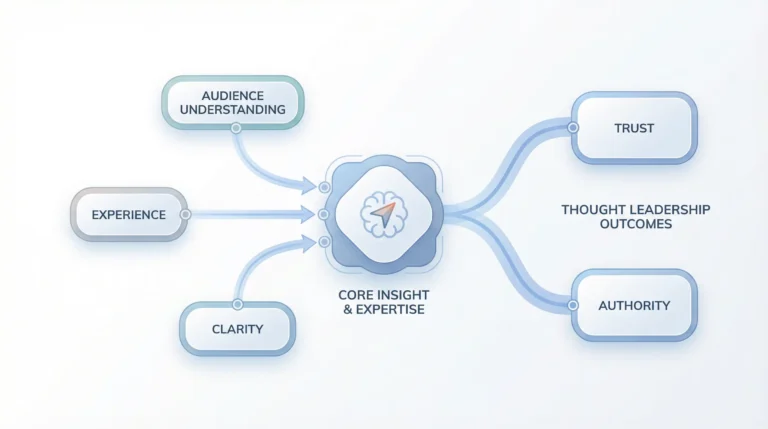
Information alone does not build authority. Insight does. Strong thought leadership content goes beyond stating facts and instead explains their relevance and implications. It helps readers understand what has changed, why it matters, and how it should influence their decisions.
This interpretive layer is what transforms content into expert content marketing. It shows readers that the author understands not just the topic, but the context in which decisions are made.
Experience-Based Perspective
Strong thought leadership comes from real work. It grows out of things people have seen, tried, and learned over time. This includes problems faced, limits met, and choices that were not easy. It does not need private details, but it does need honesty about how things really happen.
People trust content that feels real. While the ideas would come from the experience, they sound natural and believable,and that kind of insight would show the patience, care, and understanding, and also helps to trust and last the authority.
Audience-Centred Value
Good thought leadership starts with the reader. It speaks to what people deal with each day: the pressure to choose well, the risk of getting it wrong, and the need to explain decisions to others. It listens before it talks.
When content helps people think through a problem instead of selling to them, they stay with it. They feel respected. Over time, that respect turns into trust. This is what strong content leadership looks like: putting real people first and letting value lead the way.
Types of Thought Leadership Content That Work Well
Opinion-Led Industry Analysis
Opinion-led industry analysis helps people understand what is changing around them. It does not just repeat news or trends. It explains what those changes mean in real life. This type of content helps readers see which topics need attention now and which ones can wait. It brings calm and order to busy industries where too much information can feel confusing.
This kind of analysis is most useful when things are unclear. During change, people want sense, not guesses. Thought leadership offers careful views shaped by experience. It helps readers think clearly and make steady decisions, even when the future feels unsure.
Strategic Frameworks and Models
Frameworks help people handle hard problems by giving a clear shape to the work. They lay out steps and questions that guide thinking so choices feel less random.
A good framework shows how to weigh risk and spot opportunity. It makes trade-offs easier to see and helps leaders test options in simple terms.
No single model fits every situation. Offering a framework shows careful thought and gives readers a practical playbook they can adapt to their own needs. It turns fuzzy problems into actions people can follow.
Lessons Learned and Case-Based Insights
Real lessons come from doing the work. They come from trying something, seeing what happens, and learning along the way. When people share what went right and what went wrong, the content feels honest. It sounds like real life, not a plan on paper.
Talking about how decisions changed over time helps readers trust the message. It shows that progress is not always neat or perfect. This kind of content feels human because it reflects how people actually work and learn. That honesty is what makes professional audiences listen and believe.
How to Create a Thought Leadership Content Strategy
Choosing the Right Focus Areas
A good thought leadership content strategy starts by knowing what you truly understand. Businesses earn trust when they talk about areas they work in every day. Trying to speak on every topic often leads to weak ideas that feel empty. People can sense when content comes from guessing instead of experience.
When the focus is clear, the message feels stronger. Readers can tell the difference between real knowledge and general talk. Staying close to what you know helps the content feel honest and easy to trust.
Aligning Content With Business Expertise
Thought leadership feels right when it comes from real work. People can tell when ideas are shaped by day-to-day experience. When a business talks about problems it truly handles, the words sound natural and easy to trust.
When content drifts away from what the business actually does, readers sense it. The message feels off. Trust slips. Staying close to real experience keeps the content honest and steady, and that honesty is what earns respect over time.
Balancing Original Thought With Evidence
Thought leadership begins with ideas shaped by thinking and experience. But ideas feel stronger when they are supported by real proof. This proof can come from past work, simple facts, or things seen over time. It does not need to be complex or technical.
When ideas are backed by real examples, people feel more comfortable trusting them. The content stays human because it speaks from experience, and the evidence quietly supports the message without taking it over.
Thought Leadership Content vs Thought Leadership Marketing
Content as the Foundation
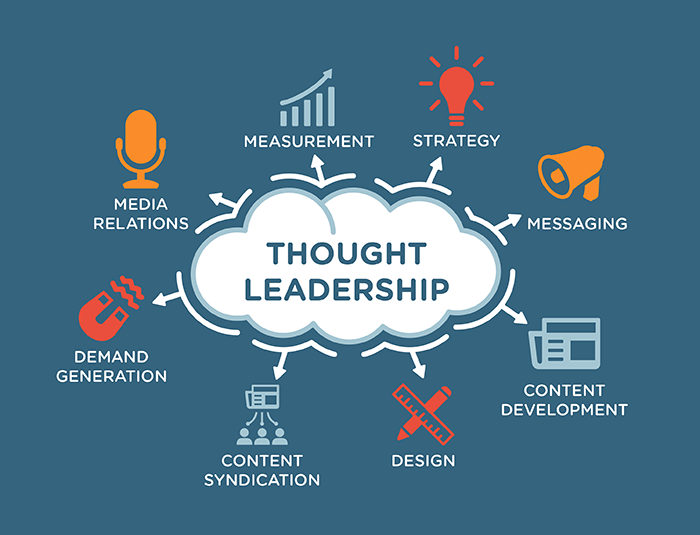
Thought leadership content is the foundation of authority. Without strong ideas and insight, marketing efforts simply amplify weak messages. Substance must come before promotion.
Marketing as Distribution, Not Dilution
Marketing helps good ideas reach the people who need them; that is its job. It should share the message, not change it. When insight is turned into sales talk, people notice, and trust fades.
Strong thought leadership stays true to its meaning as it spreads. The words should stay clear and honest. When the message stays intact, people believe it and remember it.
Common Mistakes That Undermine Thought Leadership Content
Being Too Generic or Overly Cautious
Content that avoids clear positions rarely builds authority. Thought leadership requires confidence and clarity, even when addressing complex or uncomfortable topics. Generic conclusions and safe statements fail to differentiate a brand or demonstrate expertise.
Turning Thought Leadership Into Sales Messaging
Direct sales language weakens credibility. Thought leadership should inform and guide rather than persuade. When trust is established, commercial conversations follow naturally
Measuring the Impact of Thought Leadership Content
Qualitative Signals of Authority
The real value of thought leadership does not live in numbers. A page can get many views and still change nothing. What matters is who reads it and how they use it. When leaders take time to read, share it with others, or bring the ideas into real talks, it shows that the content matters.
Its impact shows up in small moments. Someone repeats an idea later. Someone else uses it to explain a decision. These moments are quiet and easy to miss, but they show trust. This is how thought leadership proves its value, through real use in real life, not through charts or scores.
Long-Term Influence on Brand Perception
Thought leadership content takes time to work. Its effect grows slowly as people see the brand show up with clear and helpful ideas again and again. Each piece adds to a sense of familiarity and trust. Over months and years, this steady presence shapes how the brand is viewed in its field. Rather than driving quick wins, the content helps build a strong reputation that lasts and supports long-term confidence.
When Thought Leadership Content Is Most Effective
Complex, High-Trust Buying Environments
Thought leadership content matters most when choices carry real weight. In B2B and professional services, people do not decide fast. They pause. They read. They think about what could go wrong. Their decisions affect budgets, staff, and future plans, so they look for signs of care and understanding.
In these moments, trust grows from clear thinking. Content that explains ideas in a calm and honest way feels safe to read. It shows that the business understands risk and does not rush the reader. When people feel respected, they stay longer and listen more closely.
Periods of Industry Change or Uncertainty
Thought leadership also becomes important when the ground shifts. New rules appear. Markets change shape. Old ways stop working. People feel unsure and want help that makes sense.
Good thought leadership content slows things down. It explains what is changing and why it matters in simple words. It does not promise easy answers. It helps people see the path ahead and feel steady enough to choose their next step, even when the future feels unclear.
Conclusion
A strong leadership content strategy grows from real work and real thinking. It takes time. It comes from knowing your field and sharing what you have learned in a clear way. When businesses do this, people start to trust them. Not because they see the brand often, but because the ideas make sense.
Thought leadership content helps people understand change and feel more sure about their choices. It shows how a business thinks, not just what it sells. Over time, this builds a reputation that feels steady and real.
At Midland Marketing, we help businesses turn their experience into content that sounds human and feels honest. We focus on clarity, trust, and long-term value. If you want to share your ideas in a way people believe and remember, you can contact Midland Marketing and start from there.
Frequently Asked Questions
- What does thought leadership really mean?
Thought leadership means sharing real experience and clear thinking to help others understand problems, change, and decisions without pushing sales. - Is thought leadership useful for small or growing businesses?
Yes, small businesses can build trust by sharing honest insight from daily work, showing understanding even without large teams or budgets. - How often should thought leadership content be published?
Thought leadership should be shared only when there is something useful to say, because quality matters more than frequent posting. - Does thought leadership content help generate business over time?
Yes, it builds trust first, and later helps people choose you when they need help or advice. - What makes thought leadership content feel genuine and trustworthy?
Content feels genuine when it uses simple language, real examples, and ideas shaped by experience rather than marketing language.