


Introduction
Content is easy to publish. Staying compliant while publishing it? Not so simple. The legal aspects of blogging and content marketing often sit in the background. It does until something goes wrong, a complaint email, or worse, a legal letter. Modern brands operate in a digital space. And these spaces are shaped by privacy rules, advertising standards, and intellectual property laws. Ignore them, and your marketing strategy can unravel overnight.
This guide breaks down content marketing legal compliance in plain terms. So you can create, promote, and scale content without stepping into avoidable legal trouble.
Table of Contents
Why Legal Compliance Matters In Blogging & Content Marketing
The Risks Of Ignoring Legal Requirements
Many brands assume legal issues only affect large corporations. They don’t. Small blogs and growing brands are often targeted because they lack legal safeguards. Ignoring digital marketing legal requirements can lead to:
- Copyright claims and lawsuits
- Regulatory fines
- Platform account suspensions
- Forced content removal
- Long-term brand damage
A single violation, such as using an unlicensed image, can trigger penalties. And it could cost more than your entire campaign budget.
How Legal Compliance Builds Brand Trust
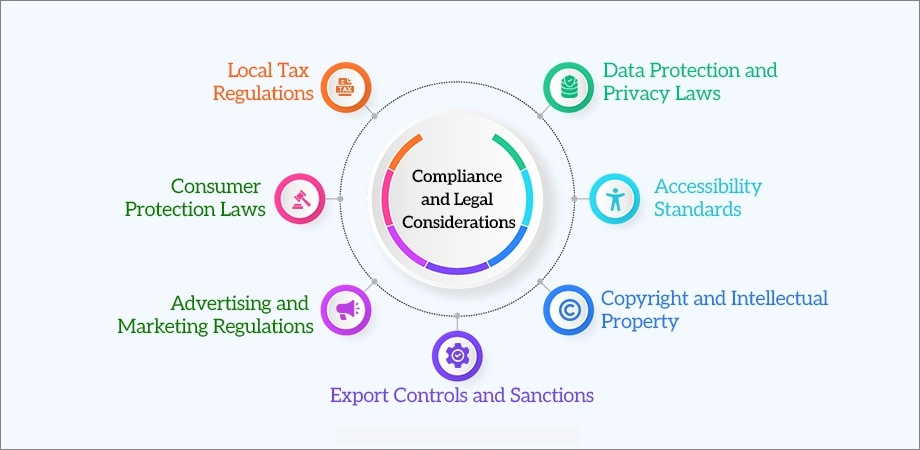
Compliance is a strategic move, not a defensive movement. Transparent policies are vital in business. Having honest disclosures and responsible data use shows audiences you respect them. That trust translates into higher engagement.
In addition to it, it makes repeat visitors and a stronger brand authority. People notice when a site clearly explains cookies, affiliate links, and data usage. It signals professionalism. Quietly, it sets you apart.
Copyright & Intellectual Property Laws
Using Images, Videos & Graphics Legally
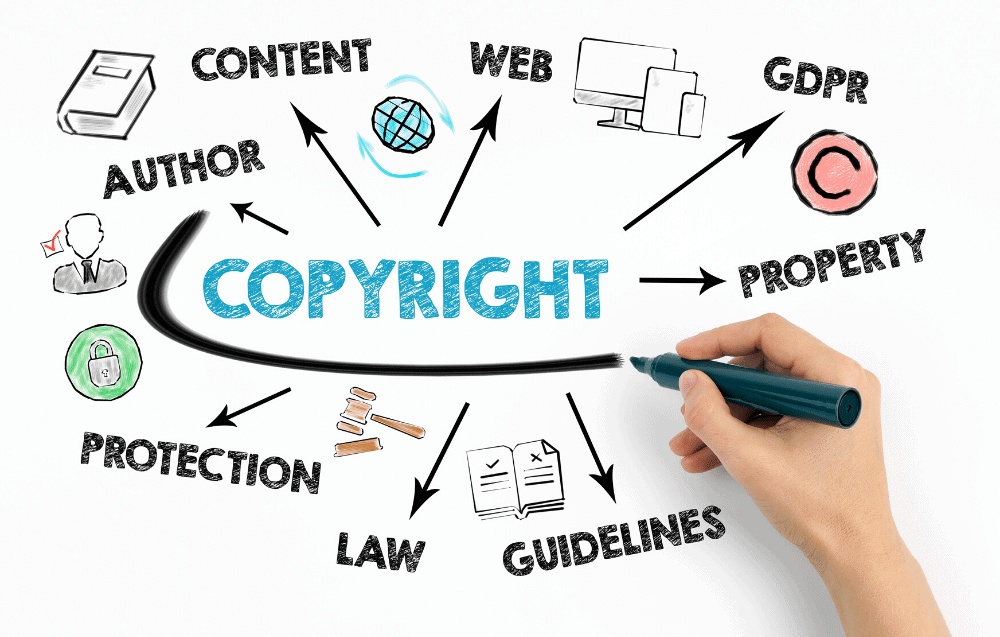
One of the most misunderstood areas of blogging copyright laws is media usage. Just because something appears on search engines doesn’t mean it’s free to use. To stay compliant:
- Use licensed stock platforms or original media
- Check Creative Commons terms carefully
- Keep proof of purchase or permission
- Avoid downloading from random sites
Using copyrighted visuals without permission can trigger automatic copyright strikes. Not just that, but also DMCA takedowns. Not everything taken down by a person, as automated bots do scan for this.
Plagiarism And Duplicate Content
Plagiarism in blogging is both a legal and reputational risk. Copying the text word-for-word is wrong. Doing it without permission can violate copyright. Even partial copying may count if the structure or phrasing is substantially similar.
There’s also an SEO angle. Search engines penalise duplicate content, which means copied posts rarely rank. Inspiration is fine. Replication isn’t. The safest approach is to do some research widely, then write in your own voice.
Protecting Your Own Content
Creators often focus so much on not infringing others’ rights that they forget to protect their own. Safeguarding intellectual property in content creation can include:
- Copyright notices
- Trademarking brand names
- Watermarking visuals
- Monitoring for stolen content
Tools exist that scan the web for duplicates of your work. Using them periodically can stop misuse before it spreads.
Data Protection & Privacy Laws
GDPR And International Privacy Regulations
If your audience includes users from Europe. GDPR for content marketing applies even if your business isn’t based there. These laws require clear consent before collecting personal data. They also give users rights to access, correct, or delete their information.
Other regions have similar rules. California has CCPA. Many countries now enforce strict data protection in digital marketing standards. The direction is clear: privacy is no longer optional.
Privacy Policies & Cookie Disclosures
A privacy policy isn’t a formality. It’s a legal requirement for most websites. It should explain:
- What data do you collect?
- Why do you collect it?
- How it’s stored
- Who you share it with
Cookie banners must also clearly state tracking usage. Pre-ticked boxes or hidden consent options often violate regulations.
Email Marketing Compliance
Email lists are powerful and heavily regulated. Email marketing compliance usually requires:
- Explicit opt-in consent
- Clear sender identity
- An unsubscribe link
- Honest subject lines
Sending promotional emails without permission can trigger spam complaints. Make sure to look into it. Not just with complaints, you could also face some legal penalties. Always build your list legitimately.
FTC Guidelines & Sponsored Content Disclosure
Influencer & Affiliate Marketing Disclosures
The FTC disclosure guidelines require sponsored content. They needed it to be clearly labelled. This applies to bloggers, influencers, and brands working with them. Phrases like:
- “Sponsored post”
- “Paid partnership”
- “Affiliate link”
These must be visible and unambiguous. Hiding disclosures in footnotes or vague wording can still be considered deceptive.
Transparency In Product Reviews
Fake reviews are a growing enforcement priority. Posting fabricated testimonials or paying for positive feedback without disclosure. It can violate consumer protection laws heavily. Honest reviews, including criticism, are legally safer and more credible.
Defamation & False Claims
Avoiding Defamatory Statements
Publishing negative claims about a competitor or individual without evidence can trigger online defamation laws. Even a blog post or tweet can qualify as defamation. If it harms someone’s reputation and cannot be proven true. Opinion is allowed, but false factual claims are not. The difference matters.
Fact-Checking And Responsible Publishing
Responsible publishing means verifying sources before posting. That includes:
- Confirming statistics
- Checking dates and context
- Reviewing original sources
A rushed article can spread misinformation. Correcting it later doesn’t always prevent legal consequences.
Advertising & Consumer Protection Laws
Truth In Advertising Standards
Marketing copy must be accurate. Claims such as “guaranteed results” or “instant success” can violate advertising standards if they aren’t provable. Regulators expect honesty, not hype.
Claims Substantiation
Health, finance, and performance claims require evidence. If you state that a product increases productivity by 50%, you must have data supporting it. Without proof, that claim could be considered misleading advertising.
Terms & Conditions For Content Websites
Website Terms Of Use
Terms of use agreements set the rules for how visitors interact with your site. They can:
- Restrict content copying
- Limit liability
- Outline acceptable behaviour
Without them, you have fewer legal protections if disputes arise.
Disclaimers For Blogs
Disclaimers clarify the purpose and limits of your content. Common examples include:
- Earnings disclaimers for affiliate sites
- Medical disclaimers for health blogs
- Professional advice disclaimers for finance or legal topics
They don’t eliminate risk entirely, but they significantly reduce liability.
User-Generated Content & Comment Liability
Moderating Comments
Comments can be great. They bring life to a page. Real voices, real opinions. But they also open the door to problems. Someone might post spam. Another might drop a false claim or something offensive. Leave it there too long, and it can become your problem, not theirs. That’s why I always suggest having filters switched on, moderation alerts set up, and simple community rules visible.
Platform Responsibility
Here’s the part many site owners don’t realise: in some places, you can be held responsible for what users post on your site. Especially if you see something harmful and ignore it. Removing risky comments quickly shows you’re acting in good faith. It tells regulators and readers that you’re paying attention, not just hosting and hoping for the best.
Legal Considerations For International Audiences
Cross-Border Compliance
Publishing online means your content can land anywhere, London, Toronto, Sydney, you name it. That reach is powerful, but it comes with a catch.
Laws aren’t universal. Each country plays by its own rulebook. Especially when it comes to privacy, ads, and disclosures. Something perfectly acceptable in one place might raise legal eyebrows somewhere else.
That’s why many international brands don’t try to juggle. They won’t try different standards for every region. They pick the strictest rule they are likely to face. Then they all stick with it across the board. It saves time, cuts confusion, and lowers the chance of accidentally stepping over a legal line.
Accessibility Requirements
Accessibility laws in several countries require websites to be usable by people with disabilities. This can include:
- Screen-reader compatibility
- Keyboard navigation
- Alt text for images
Ignoring accessibility can result in legal complaints and lost visitors who simply can’t use your site.
Common Legal Mistakes Content Marketers Make
Copying Without Attribution
Using someone else’s work without permission can land you in trouble fast. Credit alone doesn’t always fix it, either. If the content wasn’t authorised in the first place, adding a link later won’t undo the issue. It’s safer to create your own material or get clear permission before using anything that isn’t yours.
Ignoring Disclosure Requirements
Hidden ads and undisclosed affiliate links raise red flags. Regulators look for honesty, not clever wording. If something is sponsored, it should be obvious at a glance. Being open about it isn’t just good practice, it’s expected.
Overlooking Data Protection Obligations
Data rules are strict for a reason. If you collect emails, track visitors, or store personal details. You are responsible for keeping that information safe.
Skipping consent or security steps is illegal in this line of work. And you will be affected by penalties that can be steep. For many brands, privacy mistakes end up being the most expensive ones.
Conclusion
The legal side of content creation rarely gets attention. It’s not exciting, and it won’t drive traffic on its own. Still, it plays a quiet but serious role in whether your marketing holds up or runs into trouble later. Knowing the legal aspects of blogging and content marketing isn’t about worrying over every detail. It’s about making sure your foundation is solid.
When your content is compliant from the start, you don’t have to second-guess what you publish. You can focus on ideas, partnerships, and growth instead of potential problems. Brands that handle this early usually avoid the headaches others face down the line.
Frequently Asked Questions
Do I Really Need Legal Policies If My Blog Is Small?
Yes. Size doesn’t matter here. Small sites get notices all the time. If you gather emails, run analytics, or post images, rules already apply. Clear policies show you take your work seriously.
Can I Use Images From Google If I Credit The Source?
No. Credit isn’t permission. Most images online belong to someone. If the licence doesn’t say you can use it, don’t. Stock sites, free-use libraries, or your own photos are safer.
What Happens If I Forget A Sponsored Disclosure?
It can count as misleading. Intent doesn’t usually matter. Add disclosures before posting. Fixing it later is harder and may draw complaints.
Is Copying A Few Sentences From Another Blog Illegal?
Sometimes. Short quotes may be fine. Large copied sections usually aren’t. Read first. Then explain the idea in your own words. Simple and safe.
How Do I Stay Legally Safe As Content Rules Keep Changing?
Check your policies now and then. Verify facts. Keep proof of licences. Follow updates from regulators. Rules change. Staying informed helps you avoid trouble.