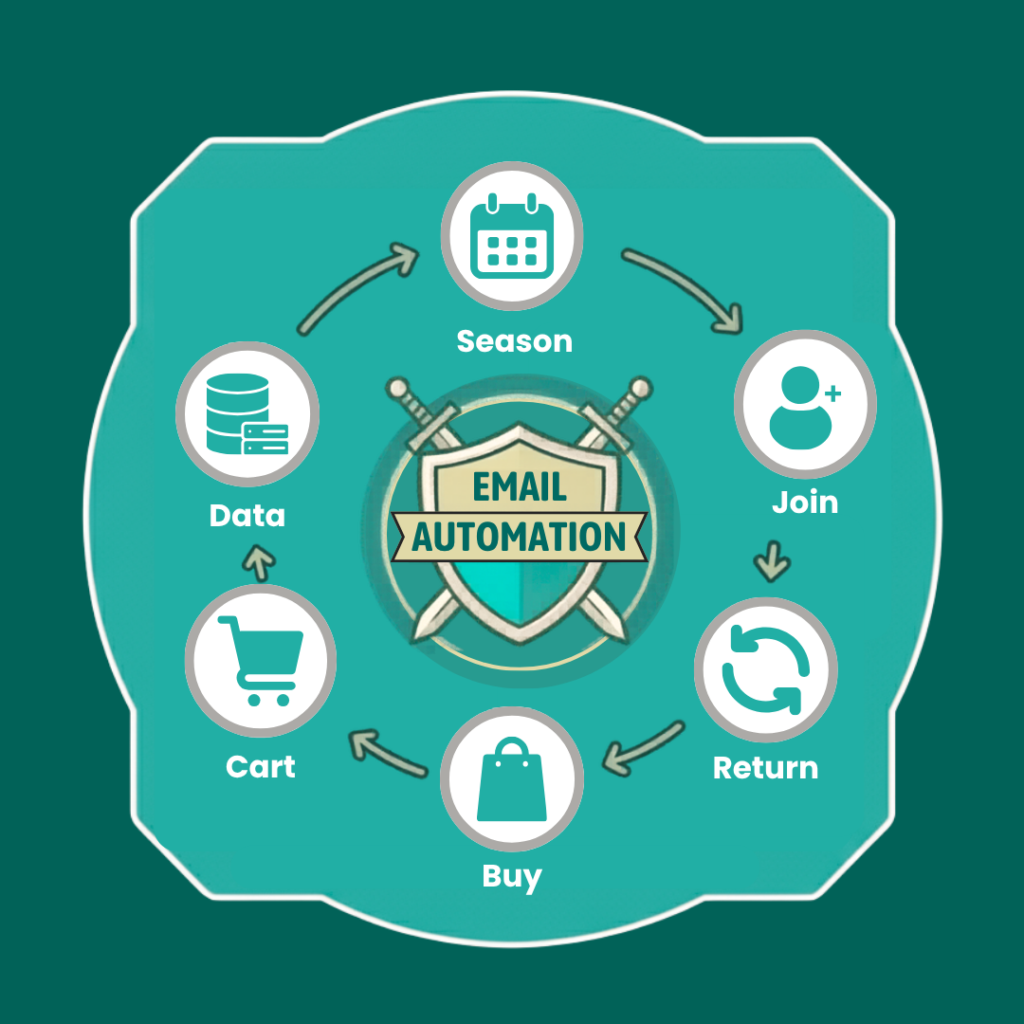


Introduction
Email remains one of the best ways to connect with customers. In the UK, people expect brands to send useful messages at the right moment, not random blasts that ignore how they shop. They want offers that truly match their needs, browsing patterns, and purchase history.
This is where email automation workflows make a genuine difference. Rather than firing the same email out to everyone, you can build intelligent, automated journeys that respond to real customer actions. These data-driven sequences help you stay relevant, improve the overall experience, and grow sales without flooding inboxes with unnecessary noise.
In this guide, you’ll discover five practical email automation in workflows shaped around UK consumer buying habits. You’ll also learn why they matter, how to set them up, and small tweaks that can noticeably improve your results.
Table of Contents
What Are Email Automation Workflows?
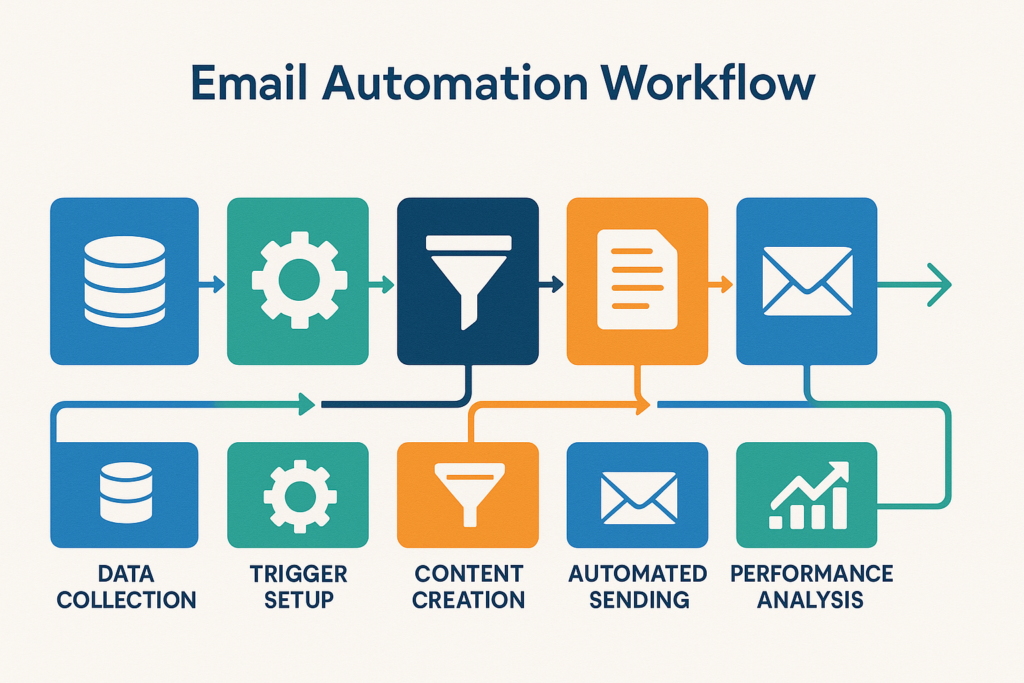
Email automation workflows are a series of pre-built emails triggered automatically when someone takes a specific action. That action might be signing up to your newsletter, leaving items in a basket, or completing a purchase.
Instead of manually writing every follow-up, you set rules once. Your email platform then sends the right message at the right time, guided by behaviour. For instance, a new subscriber might receive a friendly welcome note immediately, a helpful guide two days later, and a gentle offer if they haven’t bought anything after a week.
This approach saves hours of work while giving each customer a more personal, considered experience.
Why UK Consumer Buying Habits Matter
Every market behaves slightly differently, and UK shoppers are no exception. They frequently compare prices, read reviews, and look for flexible delivery options before committing. Crucially, many now jump between devices during their purchase journey.
Google’s own research backs this up; it found that today’s shoppers no longer move through a straight line to purchase. They weave between streaming, scrolling, searching, and shopping, often across several touchpoints at once, rather than deciding in one sitting. Because decisions are rarely instant, a single promotional email is often not enough. You need email automation workflows that guide customers gently through each stage, using actual data rather than guesswork.
When you tap into these buying habits, your messages feel helpful and timely, not intrusive.
5 Data-Driven Email Automation Workflows
Each of the following automated sequences is designed to match the way UK consumers naturally shop, building trust and encouraging action without any hard sell.
1. Welcome Email Workflow
A welcome message is often the very first direct contact a new subscriber has with your brand. Sending a quick “thanks for signing up” is polite, but it misses a bigger opportunity to engage.
A more effective email automation workflow spreads the introduction across a few days. The first email thanks the subscriber and sets expectations. The second introduces your most loved products or services. A final message might share genuine customer reviews or a time-limited welcome discount. This gentle rhythm keeps interest warm without overwhelming someone who’s still getting to know you.
Why it works
New subscribers are already curious. Sending helpful, brand-building emails while your name is fresh in their minds increases the chance they’ll become paying customers.
2. Abandoned Basket Workflow
Many UK online shoppers fill a basket but leave the site before paying. Perhaps they’re comparing delivery costs, waiting for payday, or simply got distracted. An abandoned basket workflow brings them back.
A well-timed first reminder can land within a few hours, simply noting the items they left. A second email the next day might show product images and key benefits. If there’s still no purchase after a day or two, a final gentle nudge could include free delivery or a modest discount. The tone should always feel helpful, never pushy.
Why it works
These customers have already shown strong intent. A thoughtful reminder, especially one personalised with product names and pictures, often tips them back to complete the purchase.
3. Post-Purchase Follow-Up Workflow
Your relationship shouldn’t end the moment someone buys. A thoughtful email automation workflow after the sale can turn a one-time buyer into a loyal regular.
Start with a clear order confirmation and delivery updates. After the parcel arrives, send a friendly check-in asking if everything met expectations. A few days later, invite an honest review — genuine feedback helps future buyers and builds trust. You can then recommend related products based on their purchase. Someone who bought running shoes, for example, may be interested in performance socks or a running belt.
Why it works
Repeat customers often spend more than first-time buyers. Staying visible through helpful follow-ups nurtures long-term relationships rather than simply chasing the next new sale.
4. Re-Engagement Workflow
Not every subscriber stays active. Some stop opening emails after a few months, while others may visit your website but never return. A re-engagement workflow aims to win them back.
Begin with a friendly message asking if they still want to hear from you, and remind them what they’ll gain by staying subscribed. If there’s no response, send another email with useful content, a fresh product update, or an exclusive offer. A final step could let them update their email preferences, so they only receive the topics that interest them. If they stay silent, it’s healthier to remove inactive contacts from your database. A smaller, engaged list outperforms a large, unresponsive one every time.
Why it works
Email providers look at engagement signals when deciding whether your messages land in the inbox or the spam folder. Removing inactive addresses can improve deliverability and help your genuine fans see your campaigns.
5. Seasonal and Behaviour-Based Workflow
Shopping habits shift throughout the year. UK consumers spend differently around events like Black Friday, Christmas, Mother’s Day, Easter, and the summer holidays. Instead of sending the same seasonal promotion to everyone, use customer data to build intelligent automated sequences.
For example, someone who bought winter coats last year might like an early look at this season’s new arrivals. A person who purchased Christmas gifts in November could receive a helpful gift guide earlier the following year. You can also trigger emails based on browsing behaviour: if a shopper views the same product several times without buying, send additional details, reviews, or similar alternatives.
Why it works
Relevant, behaviour-led messages consistently grab more attention than generic blasts. When offers align with someone’s actual interests, they’re far more likely to open, click, and buy.
Best Practices for Email Automation Workflows
Good automation rests on clean, accurate customer data. Keep your contact lists up to date and regularly remove subscribers who never engage. Segment your audience based on interests, purchase history, or browsing behaviour so every message feels tailored. Personalisation goes beyond using a first name, recommending the right products at the right time creates a much better experience.
Always test different subject lines, sending times, and calls to action. Small, consistent refinements can lead to noticeable lifts in open rates and conversions.
How to Build Better Email Automation Workflows
Start with a clear goal for each sequence. Keep every email focused on one main message; if you try to say too much, readers will tune out. Review performance monthly by tracking key metrics like open rate, click-through rate, conversion rate, unsubscribe rate, and revenue per campaign. These numbers tell you which email automation workflows are working and which need attention.
Regular A/B testing on subject lines, send times, and calls to action will help you steadily improve over time.
Common Mistakes to Avoid
One common trap is setting up an automation once and never revisiting it. Buying behaviour shifts, so your workflows should evolve too. Sending too many emails, even to engaged subscribers, can lead to unsubscribes. Failing to segment your audience often results in lower engagement, while ignoring mobile users hurts performance, as many UK consumers read emails on their smartphones. Finally, always be transparent about how you use customer data. Staying aligned with UK GDPR rules builds trust and protects your reputation.
Conclusion
Email marketing works best when it reflects how people actually shop. UK consumers expect communication that is timely, relevant, and genuinely helpful — not a stream of one-size-fits-all promotions. By using these five email automation workflows, you can build stronger customer relationships, increase engagement, and drive more conversions. From welcoming new subscribers and recovering abandoned baskets to re-engaging lapsed customers, each workflow supports a different stage of the buyer journey.
The most successful brands keep testing, measuring, and refining their campaigns. When your emails are guided by real customer data, every message stands a better chance of reaching the right person at exactly the right moment. If you’re looking to improve your marketing results, investing in smart email automation is one of the most effective moves you can make. A specialist partner like Midland Marketing can help you build and manage these workflows profitably, so you can focus on growing your business.
Frequently Asked Questions
What are automated email sequences?
They’re pre-planned emails sent automatically when a customer takes a specific action, like signing up, making a purchase, or leaving items in a basket.
Why are these automated emails important?
They allow you to send timely, relevant messages, boost engagement, save valuable time, and increase sales through personalisation.
How do UK shopping habits influence email marketing?
UK shoppers tend to compare products, read reviews, and take their time before purchasing. Well-designed email automation workflows keep your brand present throughout that longer decision-making process.
How often should automated emails be reviewed?
Check your workflows every few months, or whenever you notice a change in customer behaviour. Regular updates keep your messages fresh and effective.
Which industries benefit most from this approach?
Retail, eCommerce, healthcare, finance, education, travel, hospitality, professional services, and subscription-based businesses all see strong results from carefully planned automated email campaigns.

Written by - Lauren Davison
Introducing Lauren – one of our content writers who has a flair for SEO and creative strategy!
With a Master’s Degree in Creative Writing, Lauren has niched down into SEO and content writing.
Outside of work, she loves watching the darts, reading and the pub on the weekend.
Want some more?
Latest Insights & News
5 Data-Driven Email Automation Workflows for UK Consumers
Introduction Email remains one of the best ways to connect with customers. In the UK, people expect brands to send useful messages at the right
How UK Digital-Native Brands Build a Meta Ads Account Structure for Scale
Introduction Most people decide whether they trust a company within seconds of landing on its homepage. Not minutes. Seconds. That’s the reality UK tech startups
Dark Mode Website Design 2026: How to Improve UX Without Hurting Conversions
Introduction A website can look great and still feel wrong. A bright white screen at midnight is one simple example. The user opens your site,