


Introduction
Most articles fail before the second paragraph. Not because the topic is weak, but because the reader feels ignored. Readers arrive with a question, a worry, or a goal. When the page ignores that need, they leave.
Creating articles audiences want to read is not about clever wording or chasing trends. It is about clarity, intent, and respect for the reader’s time. Good writing feels simple because the thinking behind it is sharp. The structure flows. The words stay clean. Nothing feels forced.
Readers scan first and stop only when something feels useful or real. That moment decides whether they stay or leave the page. This is where many articles lose their chance.
This guide focuses on that moment. It breaks down how to write with the reader in mind, not the algorithm. The goal is simple. Write in a way that feels natural, useful, and worth finishing.
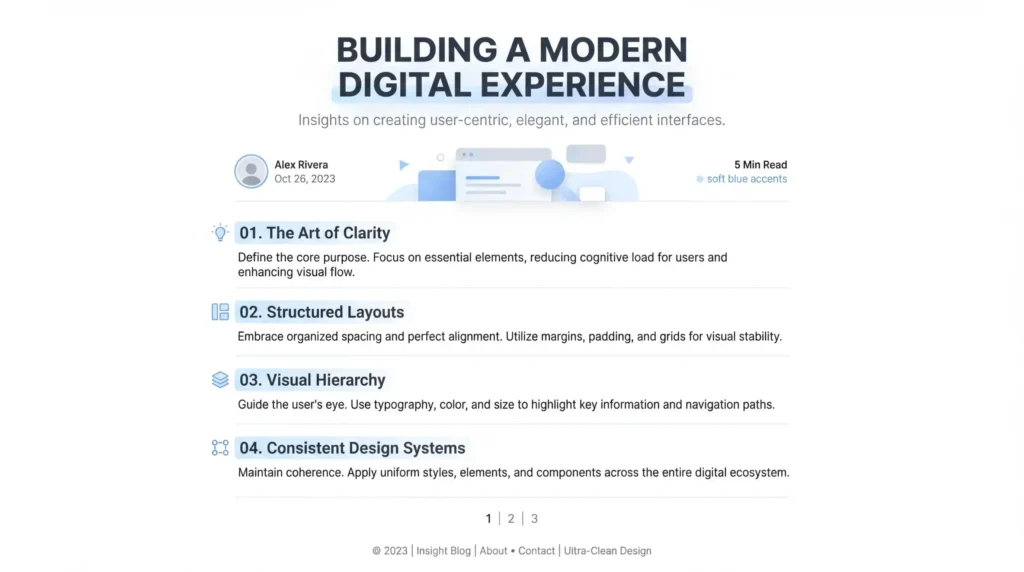
Table of Contents
Why Audience-Focused Writing Matters
The Difference Between “Published” and “Read” Content
Thousands of articles are published every day. Most are never finished by readers. A click only shows interest for a second. What happens next is what matters.
Readers behave in patterns:
- They scan headlines before reading.
- They read the first few lines for value.
- They leave when nothing feels useful.
This is why high traffic can still mean low impact. Bounce rates rise when content feels vague or forced. The real goal is not exposure. It is attention.
Audience-focused content writing changes the measure of success. Instead of chasing volume, it focuses on keeping the reader present. When the writing feels clear and direct, readers slow down. They stay longer and trust the message.
How Reader Intent Shapes Content Success
Every visit has a purpose. Ignoring that purpose breaks the connection.
Most reader intent falls into three clear groups:
- Informational: looking for answers or clarity
- Commercial: comparing options or services
- Decision-support: seeking confidence before acting
When intent and content do not align, engagement drops. An article that sells too early feels forceful. One that stays broad feels empty. This is where content writing for readers makes the difference.
Strong articles respect intent. They guide, not rush. That is how meaningful engagement begins.
Step 1 – Define Exactly Who You’re Writing For
Go Beyond Demographics To Real Problems
Knowing a reader’s age or job title tells you very little. Two people with the same role can face very different pressures. One may be judged on speed. Another on accuracy. Writing that treats them the same feels distant.
What matters is context:
- What decisions are they responsible for
- What risks do they want to avoid
- What outcomes are they measured against
When writing speaks to these pressures, it feels relevant. This is how articles audiences want to read begin to take shape. The focus shifts from who the reader is to what the reader needs in that moment.
How To Identify Audience Questions Before Writing
Strong ideas rarely come from guessing. They come from listening.
Useful sources include:
- Questions asked by sales teams during calls
- Issues raised in support tickets or emails
- Search results that show repeated phrasing
- Conversations with internal teams or partners
Patterns matter more than volume. When the same question appears in different places, it signals a real concern. Build your article around that concern. Answer it clearly.
This approach improves direction, reduces noise, and supports a user-centric content strategy that feels purposeful rather than forced.
Step 2 – Write for One Reader, Not Everyone
Why “Broad Appeal” Weakens Clarity
Writing for everyone sounds safe, but it is not. Broad language avoids detail, and detail is what makes writing useful. When advice tries to suit all readers, it says very little to anyone.
This is what usually happens:
- Sentences stay vague to avoid being wrong.
- Examples disappear to stay neutral.
- Advice feels familiar but empty.
The result is content that sounds good but solves nothing. Readers sense this quickly. They stop trusting the page.
Using Reader Scenarios To Guide Tone and Depth
Clear writing improves when you picture a real moment, not a persona slide.
Think about:
- Someone preparing for a meeting with a limited time
- A manager reviewing options before a budget sign-off
- A decision-maker weighing risk late in the process
These moments shape tone. They decide how much detail is needed. They also prevent overexplaining. Writing becomes sharper because it serves a single need.
This approach supports content writing for readers who want answers, not filler. One clear reader creates focus. Focus creates clarity.
Step 3 – Lead With Value, Not Introductions
Why Most Introductions Lose Readers
Many articles waste their opening lines. They explain the topic, set a scene, and ease in. Readers do not wait for that. They are already deciding whether to stay.
Long introductions create friction:
- The point arrives too late.
- The reader’s problem remains unclear.
- Attention drops before the value appears.
This is where improving article readability matters. When the opening feels slow, the rest rarely gets a chance.
How To Open With Relevance and Payoff
Strong openings answer one question fast. Why should I care? That answer can be a problem, a risk, or a clear outcome.
Effective openings often:
- Name the exact issue the reader faces
- Show what happens if it is ignored
- Signal what the reader will gain by reading on
This approach supports how to write engaging articles that respect time. Value first builds trust. Once relevance is clear, readers are far more likely to continue.
Step 4 – Structure Content for Easy Scanning
How Readers Actually Consume Articles
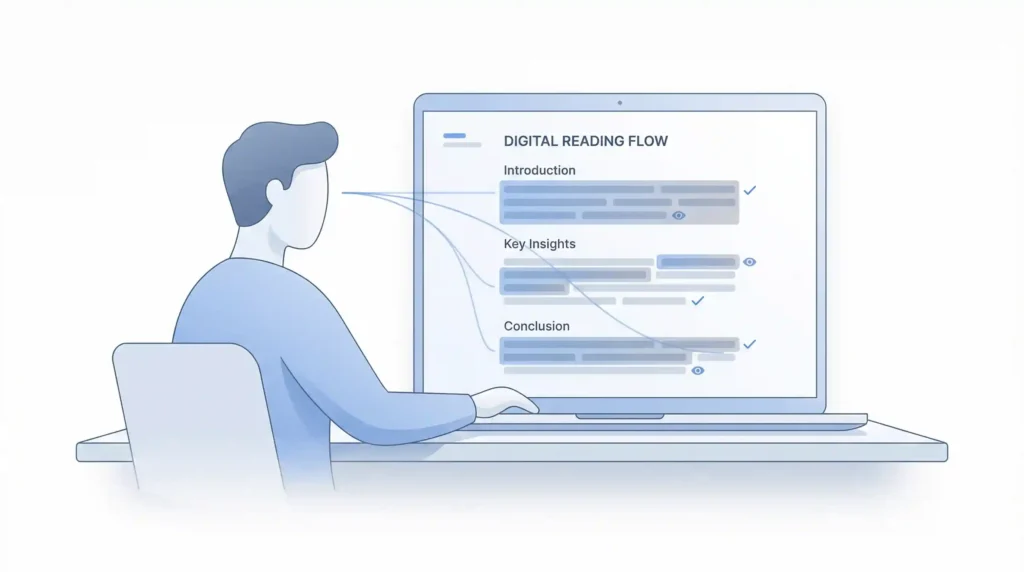
Most readers do not read top to bottom. They scroll fast. Eyes track left to right, then drop down. This creates an F-shaped pattern. Key lines get noticed. The rest is tested or skipped.
Scrolling is selective. Readers stop only when something feels useful. Dense blocks slow them down. Long stretches get ignored. Structure decides what survives.
Using Headings, Spacing, and Flow To Keep Attention
Good structure removes effort. It lets the reader choose where to stop and where to dive in.
Strong scanning comes from:
- Clear headings that signal value
- Short paragraphs with one idea each
- Mixed sentence length to keep rhythm
Flow also matters. Each point should lead to the next without forcing it. When structure feels natural, readers stay longer without noticing why.
Step 5 – Write Like a Human, Edit Like a Professional
Removing Jargon, Filler, and Robotic Phrasing
Readers trust writing that sounds real. Jargon, extra words, and stiff language push readers away. They slow the message and create distance.
Language breaks trust when it:
- Sounds overly formal without reason
- Uses buzzwords instead of clear terms
- Feels polished but empty
If a sentence would not be said out loud, it rarely works on the page.
Editing for Clarity, Not Cleverness
Good editing is not about showing skill. It is about removing strain. Each edit should make the idea easier to grasp, not make it less meaningful.
Strong edits focus on:
- Cutting extra words without losing intent
- Breaking long thoughts into clean lines
- Keeping the point sharp and visible
This is how writing stays human while still feeling precise.
Step 6 – Make Every Section Earn Its Place
How To Spot Content That Doesn’t Serve the Reader
Some paragraphs survive only because they sound polished. They read well but add less information. Readers feel this gap even if they cannot name it.
You can spot weak sections when they:
- Repeat an idea already made.
- Explain something the reader already knows.
- Exist to fill space rather than answer a question.
This is where blog writing best practices meet discipline. If a section does not help the reader move forward, it does not belong.
Aligning Each Section to a Reader Decision or Question
Every section should support a moment of thought. It should help the reader understand, justify, or act.
Ask one simple test. What question does this section answer? If there is no clear answer, the section needs work. This approach strengthens audience-focused content writing and keeps the article purposeful from start to finish.
Step 7 – Validate Readability and Engagement Before Publishing
Readability Checks That Actually Matter
Tools can help, but they are not the goal. What matters is how the writing feels when read without effort. Long sentences slow pace. Passive voice hides responsibility. Poor flow forces rereads.
A quick check helps:
- Read it out loud once
- Watch where you pause or stumble
- Shorten lines that feel heavy
These small edits often improve article readability more than any score ever will.
Final Review Questions Before Hitting Publish
Before publishing, step back and test the value.
Ask yourself:
- Would my audience share this with a colleague?
- Does this help them think or decide?
- Is anything here unnecessary or repeated?
If each answer is clear, the article is ready.
Conclusion: Writing Articles People Want to Read Is a Process, Not a Trick
Strong writing does not come from hacks or formulas. It comes from steady choices made before and during the work. Each step in this framework removes guesswork and replaces it with intent.
At Midland Marketing, this process shapes how content is planned, written, and refined. The focus stays on the reader, not shortcuts. When writing feels useful instead of persuasive, trust builds on its own. Engagement improves because the message feels clear and considered.
Search performance may follow, but it is never the starting point. Long-term results come from consistency. Better process leads to better writing. Articles created this way stay relevant, useful, and worth returning to well after they are published.
Frequently Asked Questions
- What makes articles audiences want to read instead of scrolling?
Clarity and relevance. Readers stay when an article answers a real question early and stays focused. Clear structure, simple language, and a strong opening matter more than length or style.
- How can I tell if a section should be removed?
If it does not answer a question, reduce risk, or help a choice, it likely does not belong. Good content earns its space.
- Is simple writing less professional?
No. Simple writing shows control. It helps ideas land without strain. Clear words often carry more weight than complex ones.
- Do readers really notice structure that much?
Yes. They may not name it, but they feel it. Poor structure causes skipping. Good structure invites pause.
- Can this framework work for service pages as well as blogs?
Yes. The same principles apply. Clear intent, clean structure, and reader-first thinking improve trust and engagement across all content types.