

Introduction
A moving video at the top of a website can look great. It can make a page feel fresh, bold and modern. But there is a catch. A hero video can slow the page, distract visitors and hide the next step. This can hurt your hero video conversion rate.
That matters because the top of your website is often the first thing a visitor sees. If the first screen is busy, slow or hard to use, you may lose people before they read your offer.
This is why the link between video and conversions deserves a closer look. The goal is not to remove video from every website. The goal is to use it only when it helps the visitor move forward.
Table of Contents
High-Performance Web Design That Puts Conversions First
Good web design should do more than make a website look good. The site should be easy to use, quick to load and simple to understand. It should also work well on phones and help users find the right next step.
A strong page should make three things clear very fast:
- What you offer
- Why it matters
- What the visitor should do next
The visual can support that message. It should not fight it. If you are not sure how to get this right, web design services can help. They can make sure your site is easy to use, quick to load and clear for visitors.
The Rise of Rich Results and Featured Snippets
AI decides which companies show up in answer boxes, rich results, and featured snippets. Those take centre stage on SERPs and receive more click-throughs than regular results. In reality, companies in snippets can enjoy a 30% traffic boost over organic results.
For a local business offering services, not showing up here may mean losing customers to competitors, even if you rank more officially.
What Is a Hero Video?
A hero video is a video placed in the main hero area of a website. It often plays in the background while text and a button sit on top.
A homepage video can show a product, a team, a place, a service or a short brand story. A hero section video can also help explain something that is hard to show with one image.
The problem starts when the video is there only because it looks impressive. Motion grabs attention. That can be useful, but it can also pull the eye away from your headline and call to action.
That is where the hero video conversion rate becomes important. You need to ask what the video helps people do, not just how it makes the page feel.
Can a Video Background Website Hurt Conversions?
Yes, it can. A video background website may add more data to the page than a simple image. It may also need more work from the browser and device. On a fast connection, you may not notice much. The same is true when you review a video background website only on a new laptop.
Website speed matters because people do not visit a page to watch it load. They come to find an answer, compare an option, ask for a quote, book a call or buy something.
A background video website can also create visual noise. If the footage changes every few seconds, the user may watch the motion instead of reading the message.
That does not mean every video hurts a website conversion rate. It means the video must earn its place.
The Mobile Problem You Cannot Ignore
Mobile use is now a normal part of the web. By December 2025, 61% of monthly website visits came from mobile devices, compared with 38% on desktop and 1% on tablet. That was 622 million mobile visits.
That number is not a test of your own audience. It is a clear reminder that mobile needs to be part of the design from day one.
A video that works well on a wide desktop screen may be less useful on a small phone. Text may be harder to read. The video may not fit the screen well. It may also take longer to load. A button may be harder to spot.
There is another point to keep in mind. A 2025/2026 public survey found that only 39% of adults with home internet said their connection speed met their needs all the time.
So, do not judge a video only on a fast office connection. Think about real users, real devices and real networks.
When Video Can Help Your Hero Area
Video is not the enemy. In the right setting, it can make the page clearer and more useful.
A video can work well when it:
- Shows a product in use
- Explains a service in a few seconds
- Gives useful proof or context
- Helps visitors understand the experience before they buy
- Supports a clear headline and CTA
For example, a short video for a building company could show a completed project and the work behind it. A software company could show one useful feature. A hotel could show the rooms and key spaces.
The key is simple: the video should add meaning.
When Video Becomes a Conversion Problem
The trouble starts when the video takes over the page.
You may have a problem when:
- The video is large and slow to load.
- The main CTA is hard to see.
- Text sits on a busy moving background.
- The clip repeats with no useful message.
- Mobile users get a poor version of the page.
- Visitors need to watch before they understand the offer.
- The page looks stylish but produces fewer leads.
In these cases, the hero video conversion rate can suffer because the visitor has more work to do before taking action.
Homepage Video vs Static Image
A static image often wins when speed and clarity matter most. It can load quickly, hold attention in one place and give your headline a clean background.
A homepage video can win when movement tells the story better than a single image.
There is no rule that says one must always beat the other. The right choice depends on the page goal, the audience and the quality of the asset. A simple background video website can work, but only when it adds a clear purpose.
A simple test can help. Show one version with video and one with a strong static image. Then compare:
- Form fills
- Calls or enquiries
- Button clicks
- Sales
- Mobile behaviour
A high video play rate does not mean a high website conversion rate.
Build the Hero Section Around the CTA
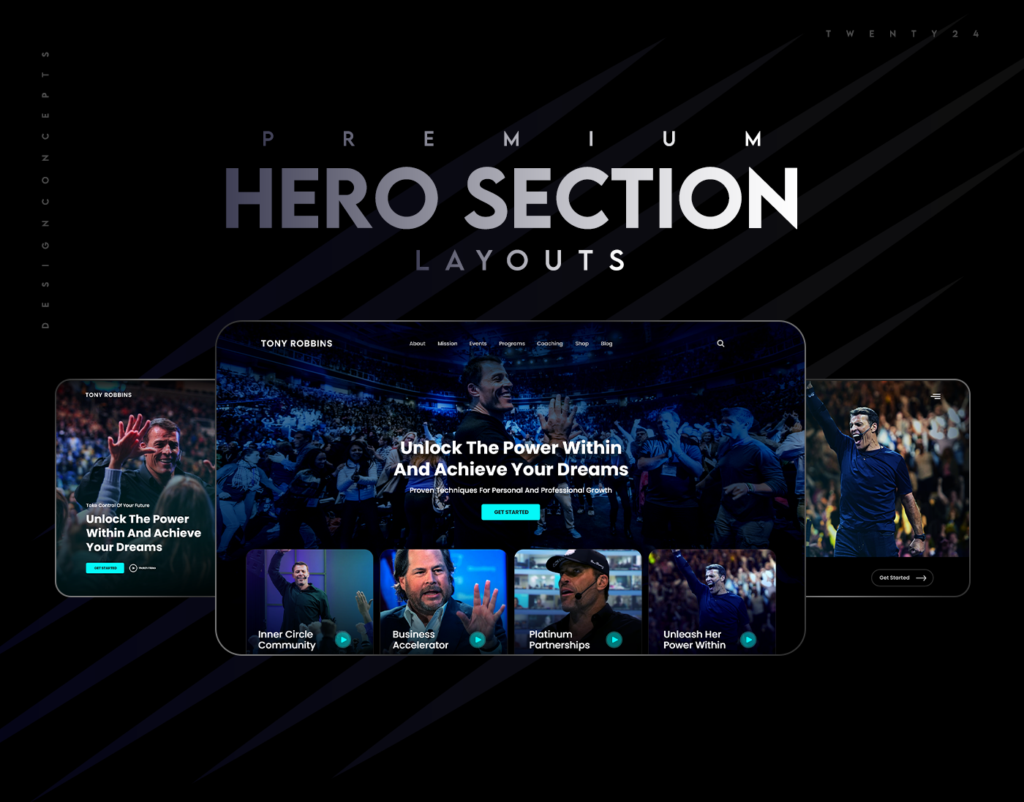
Your hero area should guide the visitor. Start with a clear headline. Follow it with short supporting copy. Then make the main action easy to spot. The visual should sit behind that message, not bury it.
This is where a hero section video needs care. Moving footage can reduce contrast and make text harder to read. A hero section video should never make the CTA harder to use. A calm clip may work better than a busy one. A short loop may work better than a long scene.
Keep the main order simple:
- Clear offer
- Strong benefit
- Clear CTA
- Helpful visual
The video comes last in that chain. Its job is to support the message.
Use Website Speed as a Design Test
Page speed should not be an afterthought. Check how the page feels on a phone. Check it on a slower network. Check how fast the headline, CTA and main image appear. Look at the page without the video too.
If the page feels much better without the clip, that tells you something. You can also reduce the cost of a hero video by using a shorter clip, compressing the file, serving the right size for the device and using a strong fallback image.
This is where good conversion rate optimisation helps. Instead of guessing, test the effect of the video on real user actions.
How Conversion Rate Optimisation Should Treat Video
Conversion rate optimisation is not about making a page plain. It is about making each part of the page earn its space.
For video, that means asking:
- Does it improve understanding?
- Does it build trust?
- Does it help the user choose?
- Does it support the CTA?
- Does it make the page slower?
- Does it work well on mobile?
You should measure the result, not the novelty. If the video raises engagement but lowers enquiries, it may not be doing its job. If removing the video improves speed and leads, the cleaner version may be the better design.
The Real Truth About Hero Video Conversion Rate
The real issue is not video. It is a poor use of video. A well-made clip can support a strong page. A heavy, noisy or pointless clip can get in the way.
The best hero areas give visitors a clear reason to stay and a clear action to take. They load fast enough. They work on mobile. They keep the main message easy to read.
That is the real test of whether the video supports conversions. Before you add a video, ask one simple question: would this page be less useful without it?
If the answer is no, you may not need it.
Conclusion
A hero video can make a website feel modern in seconds. But modern is not the same as effective.
A good website must balance design, speed, clarity and action. A video should help that balance. It should not break it.
Use video when it tells a story, shows a product or adds useful context. Remove it when it adds weight, noise or delay with little return.
This is the approach that sits at the heart of good web design. It is also the kind of balance considered by Midland Marketing when looking at how design choices can affect the user and the website conversion rate.
Frequently Asked Questions
Does hero video always reduce conversions?
No. A useful, well-optimised video can support conversions. The result depends on its purpose, speed, design and effect on the user journey.
What should you check before adding a hero video?
Look at the video size, page load time, mobile view and how clear the main CTA is. The video should add value without making the page harder to use.
Should every homepage use video?
No. A strong static image may be a better choice when it gives the page more clarity and speed.
How can you make a hero video work better?
Keep the video short and useful. Make sure visitors can still read the text and spot the CTA. Check how the page works on phones and desktops before you use the video.
How can I improve my hero video conversion rate?
Test the video against a static version. Compare leads, clicks, sales and mobile behaviour. Keep the version that gives users a better path to action.

Written by - Lauren Davison
Introducing Lauren – one of our content writers who has a flair for SEO and creative strategy!
With a Master’s Degree in Creative Writing, Lauren has niched down into SEO and content writing.
Outside of work, she loves watching the darts, reading and the pub on the weekend.
Want some more?
Latest Insights & News
Influencer Marketing Strategy 2026: How UK Businesses Can Stop Wasting Money
Introduction Influencer marketing can help a business reach people who already follow and trust a creator. But paying for a post does not mean you
5 Data-Driven Email Automation Workflows for UK Consumers
Introduction Email remains one of the best ways to connect with customers. In the UK, people expect brands to send useful messages at the right
How UK Digital-Native Brands Build a Meta Ads Account Structure for Scale
Introduction A Meta account rarely becomes complicated overnight. It usually happens one decision at a time. A new product gets its own campaign. Another audience