


How Does Entity SEO Complement Traditional Keyword and Content Strategies?
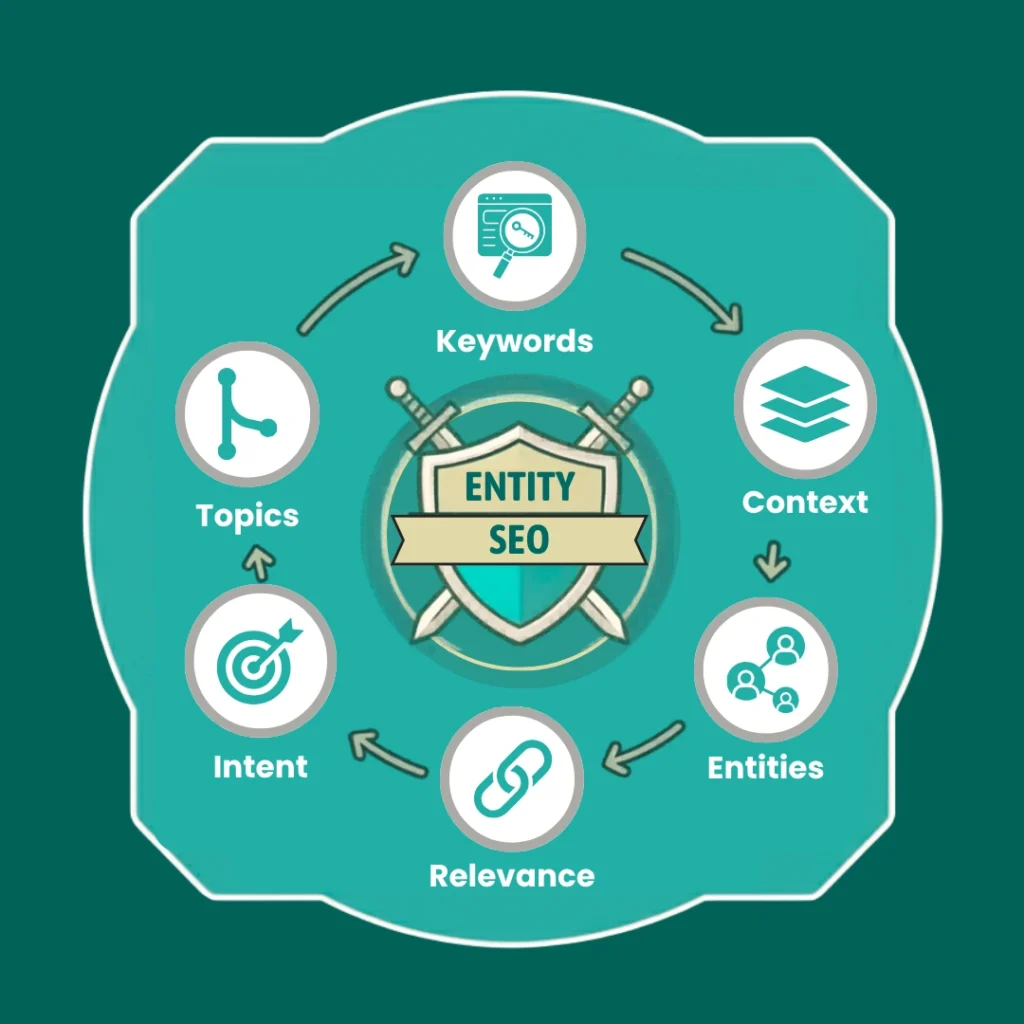
Introduction Traditional SEO has long relied on keywords. You find the terms people search, place them carefully, and build content around them. It works up to a point. But search has moved on. Context now matters just as much as wording. That’s where entity SEO comes in. Rather than replacing keyword strategies, it strengthens them. […]
Advanced Schema Markup Strategies for Google Search & AI Search in 2026
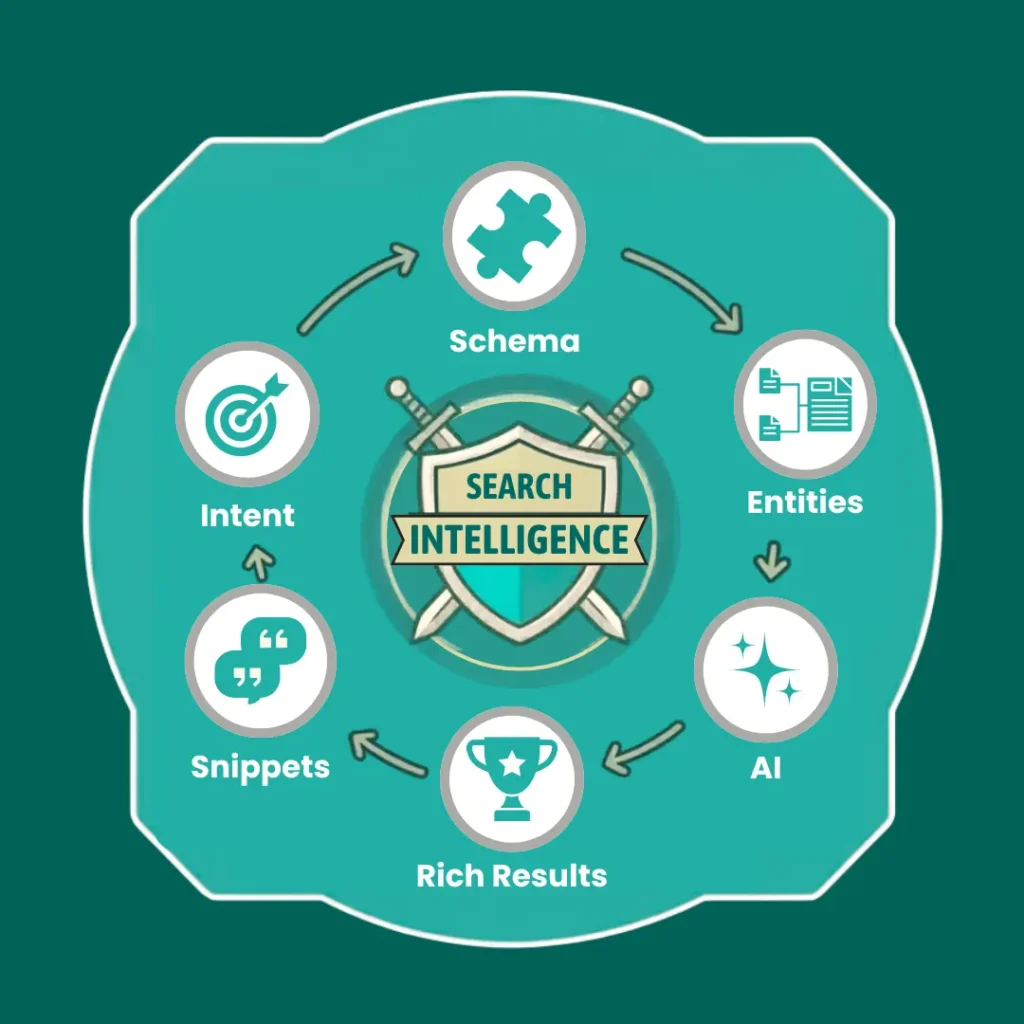
Introduction Schema markup is code that tells search engines what a page is about, who published it and how its parts connect. It uses the Schema.org vocabulary, usually written as JSON-LD. Done well, it removes guesswork for crawlers. Done badly, it adds noise. It does not guarantee higher rankings, featured snippets or AI citations. Google […]
Schema Markup Best Practices for Organisations, Authors & Brands
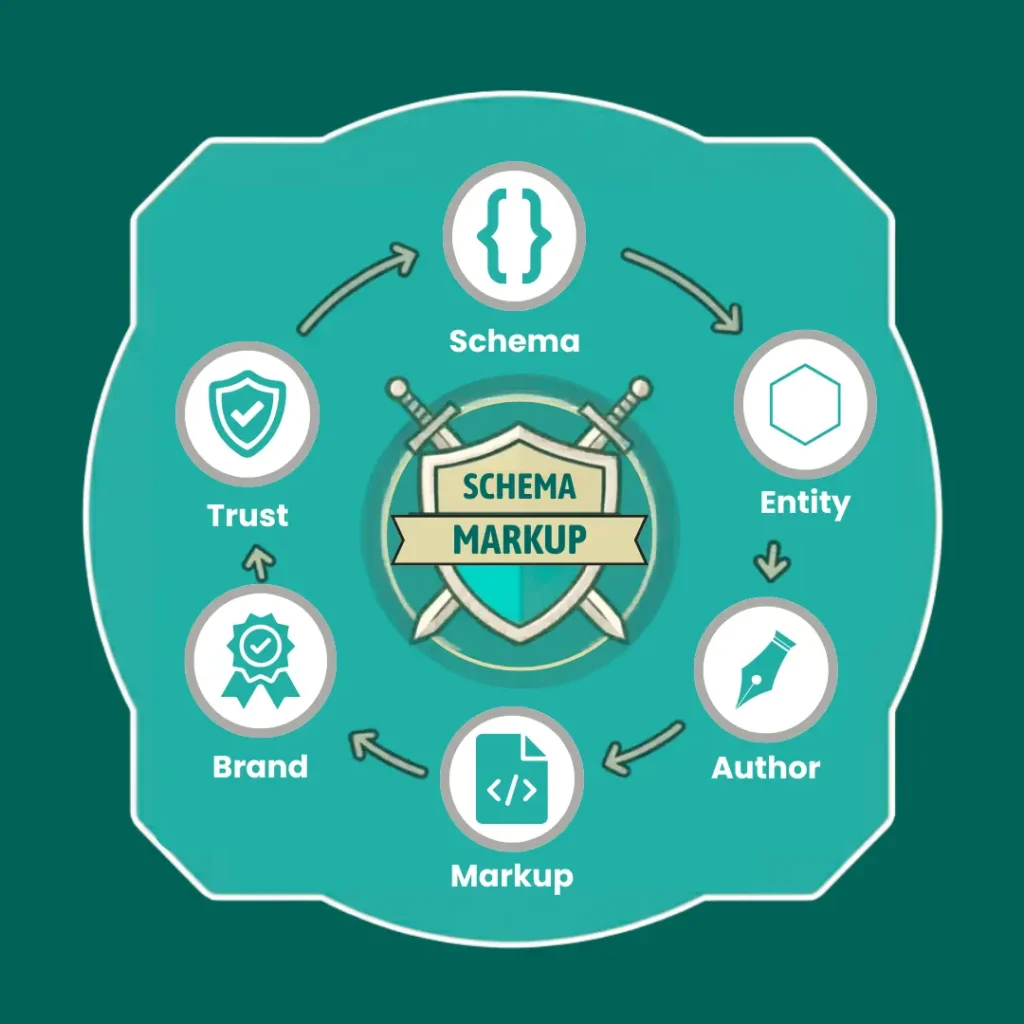
Introduction Have you ever noticed how Google doesn’t really guess anymore? It confirms. A few years back, you could slap some basic schema on a page and call it a day. Not anymore. Today, search engines cross-check your structured data against real-world signals. Here’s the problem: most websites have schema. But they use it wrong. […]
SEO for React, Next.js & Headless CMS Websites: Rendering Challenges in 2026
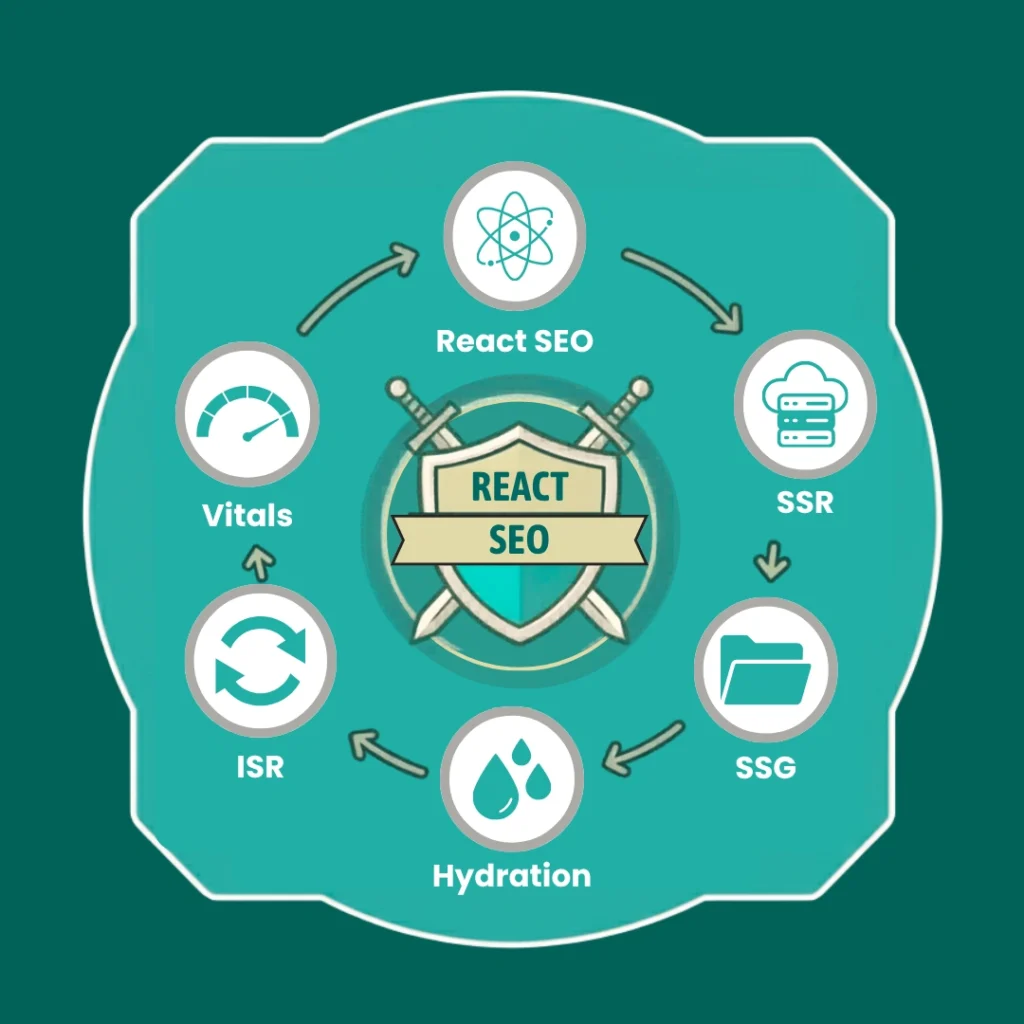
Introduction Modern web apps feel fast and sharp. But search engines do not always see what users see. That gap is where rankings are won or lost. SEO for React websites now depends on how the content is rendered. It is not what you build, but when and how it appears in HTML. In 2026, […]
Server-Side vs Client-Side Rendering: Which Is Better for SEO?
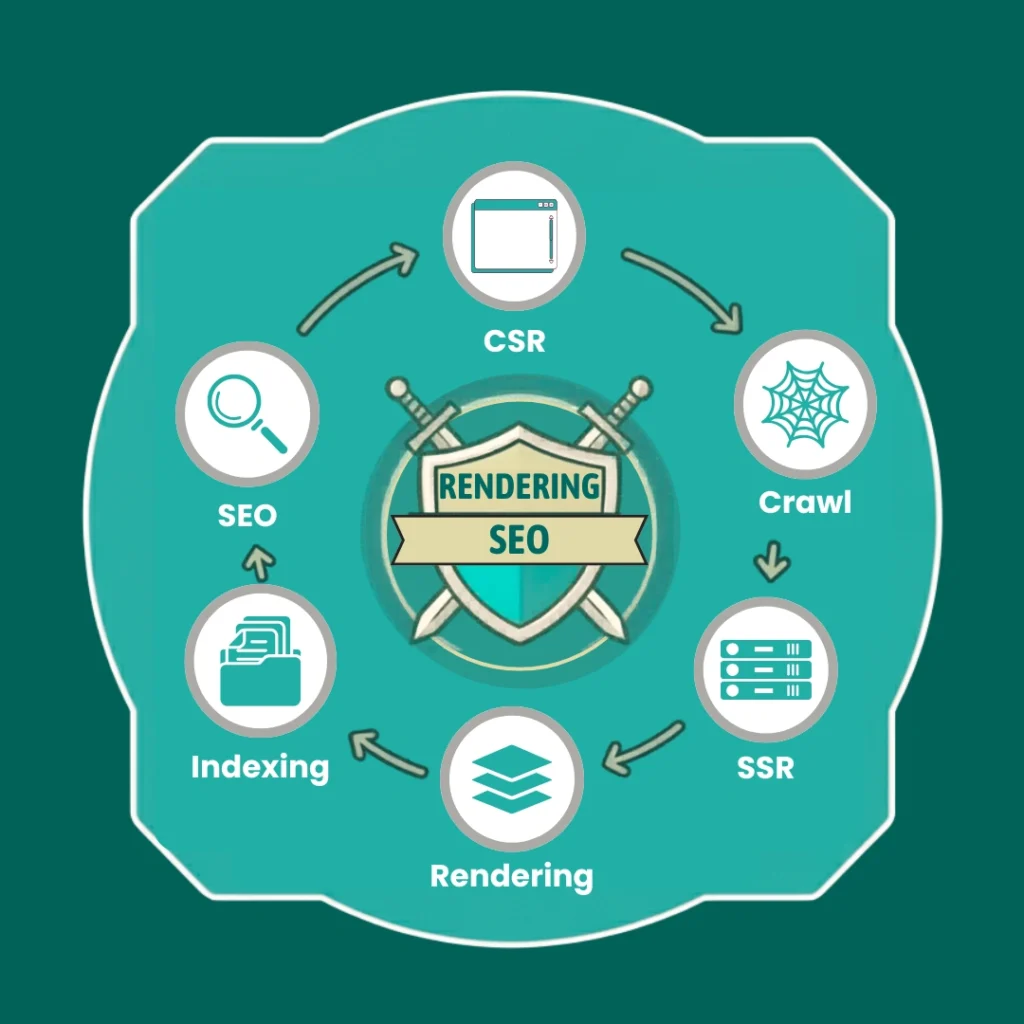
Introduction The debate between server-side rendering and client-side rendering has been ongoing for years. At first, it looked simple. One was better for SEO. The other was better for interactivity. But the explanation was not clear. In 2026, the question is no longer SSR vs CSR for SEO. It is about how rendering affects visibility, […]
Automated Internal Linking Systems for Enterprise SEO
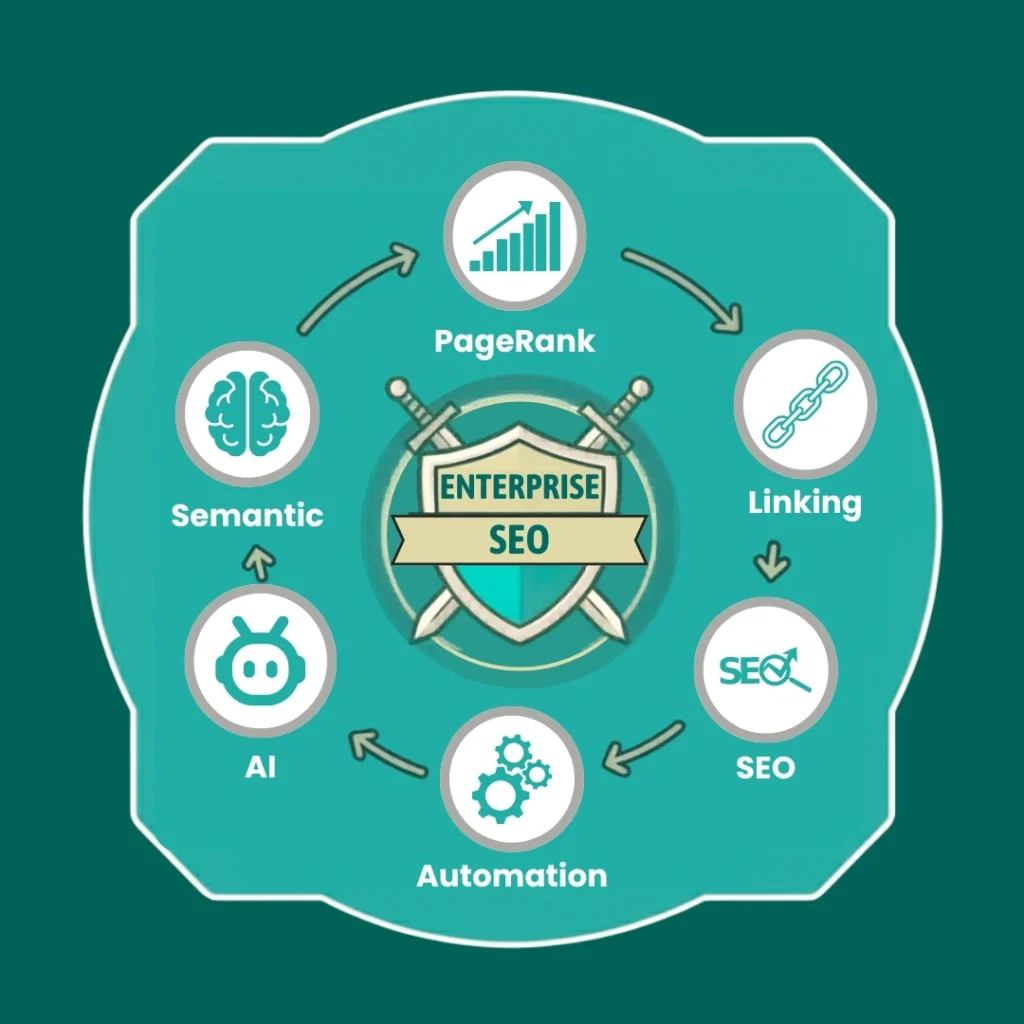
Introduction Large national websites often carry thousands of pages, yet many sit disconnected. One section grows, another gets ignored. Over time, links weaken, paths break, and search engines struggle to move through the site. This leads to wasted crawl budget and lost authority that never reaches key pages. That is where structure matters. Instead of […]
Which Internal Linking Strategies Improve Crawlability and Ranking Distribution?
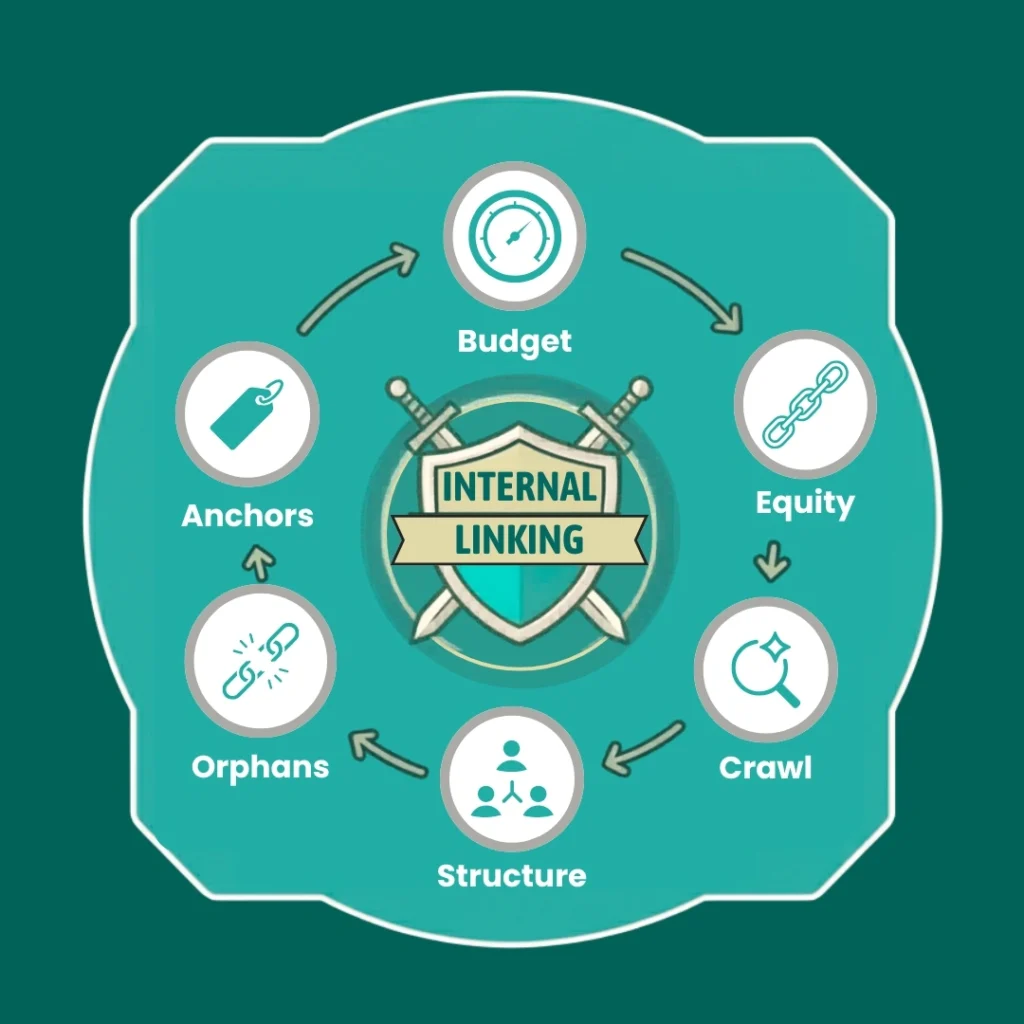
Introduction Internal linking shapes how search engines move through your site and decide what matters. Internal linking for crawlability and ranking is not just a tidy SEO habit. Good links guide crawlers. They also pass value between pages. That affects both indexing and position in results. On small sites, this is easy to manage. On […]
How to Set Up Google Business Profile Call Tracking to Prove Local SEO ROI
Introduction “You’re getting calls. But do you actually know which ones came from Google?” If not, you’re flying blind. Most local customers still pick up the phone. Before booking, before visiting, they call. In fact, over 60% of mobile searchers have called a business directly from a search result. Yet most businesses have no clear […]
10 Proven Local Business KPIs That Actually Measure Your SEO Success
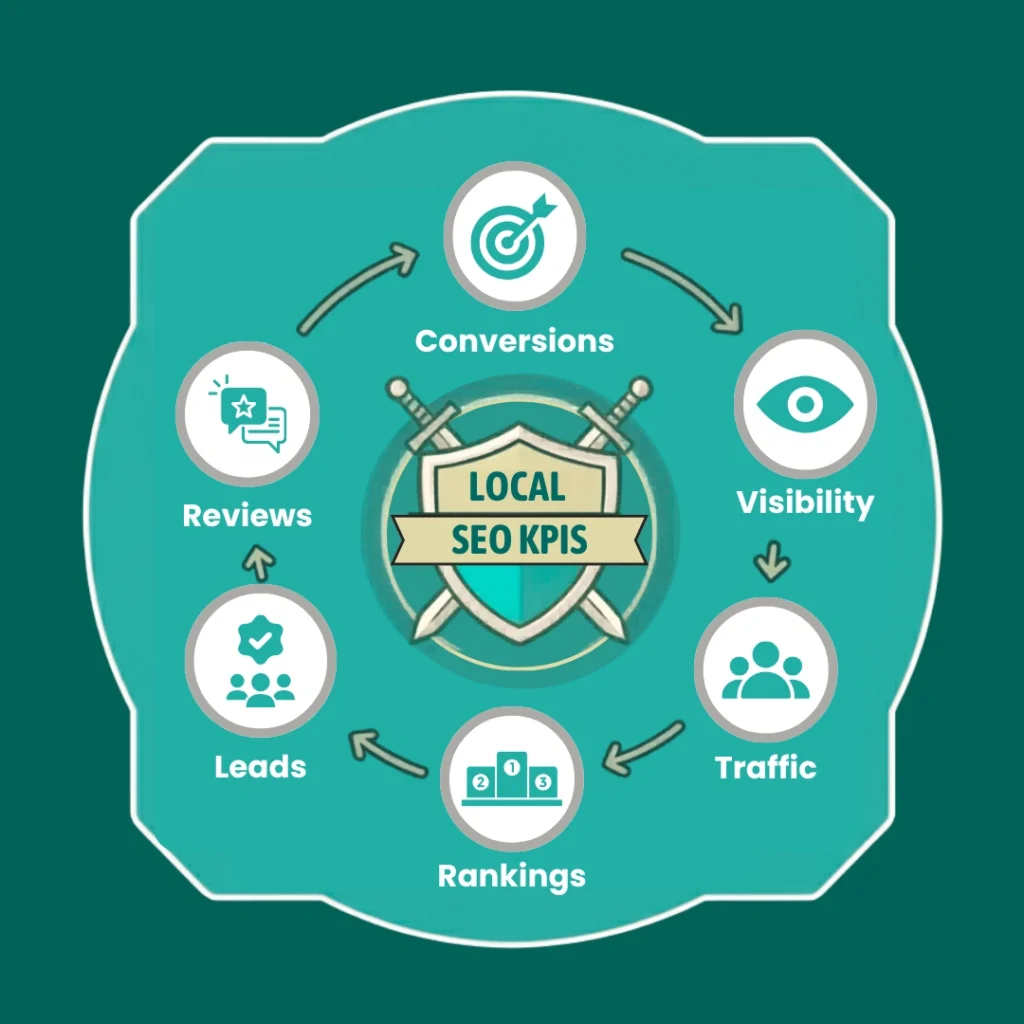
Introduction Most businesses in the UK are tracking the wrong things. They check traffic. They watch impressions climb. Someone screenshots a graph and calls it a win. But the phone isn’t ringing any more than it was last month. That’s the vanity metrics trap. It looks like progress. It isn’t. The businesses that grow from […]
JavaScript SEO Basics: How Rendering Affects Crawlability and Rankings
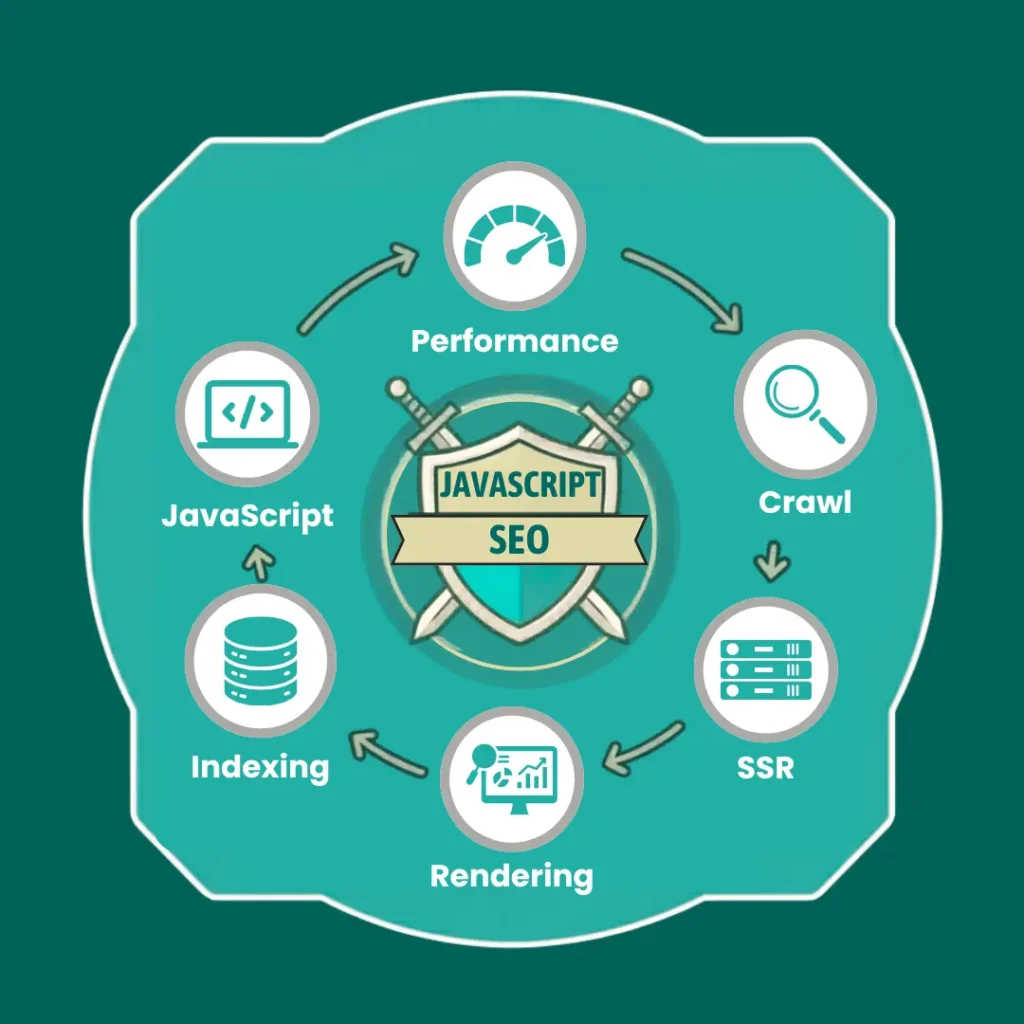
Introduction JavaScript SEO sits at the centre of modern search performance. The way content is rendered has a direct impact on how it ranks. Here, the websites lean on frameworks like React, Vue, and newer architectures. A few years ago, the question was simple. Can search engines crawl JavaScript? Today, that feels outdated. The real […]