


Introduction
An Online Reputation Crisis can put a UK brand under intense public attention within hours. The right response is not to panic, argue with customers or hide criticism. Businesses should first check the facts, respond calmly, address the real problem and monitor how the situation develops.
This matters because customers now encounter brands across several digital channels. A complaint may begin on social media, then appear in Google searches, review platforms and online discussions. People who were never involved in the original incident may see those conversations before contacting the business.
For UK brands, reputation recovery therefore requires more than one public statement. Search visibility, website content, reviews, social media and customer communication all play a role in rebuilding trust after viral backlash.
Table of Contents
What Is an Online Reputation Crisis?
An Online Reputation Crisis happens when negative attention around a business becomes large, persistent or damaging enough to affect how other people view that brand.
That is different from an ordinary negative review. A customer leaving a one-star review is not automatically a crisis. Nor is every complaint on social media. Businesses receive criticism from time to time, and a sensible response can often resolve it quietly.
The situation changes when the same issue begins appearing across different channels, complaints increase quickly, or people who were not involved in the original problem start sharing and discussing it. At that point, the business is no longer dealing with one customer conversation. It is managing a public perception problem.
When Does Negative Attention Become a Crisis?
There are some useful warning signs. You may see a sudden rise in complaints, repeated references to the same problem, screenshots being shared, negative posts spreading between platforms or influencers and journalists taking an interest.
Search behaviour is another clue. If customers start searching the company name alongside words such as “complaints”, “scam”, “reviews” or the name of the incident, the problem may be moving beyond social media.
The important question is not simply, “How many people are talking about us?” It is, “Is this changing what potential customers believe about us?”
Why Can Viral Backlash Damage a Brand?
Online criticism travels differently from a private complaint. A screenshot can be copied, reposted and discussed without the original context. Someone who sees the third version of a story may never see the business’s original explanation.
There is also a cumulative effect. An old complaint that seemed insignificant six months ago can suddenly become relevant when people are already discussing a new incident. Customers may start looking for similar experiences, and previously unrelated complaints can become part of the same story.
The commercial impact can follow. Prospective customers may delay an enquiry, abandon a purchase or choose another supplier. Employees, partners and suppliers may also become concerned if the criticism suggests a deeper business problem.
How One Complaint Can Become a Wider Story
Consider a simple sequence:
Complaint → Share → More complaints → Influencer or media attention → Search visibility → Wider brand concern
The original issue may be genuine, exaggerated or based partly on misinformation. That is why the first response matters so much. A rushed statement can create another story on top of the first one.
How to Manage an Online Reputation Crisis Step by Step
1. Check the Facts Before Responding
Start with evidence, not emotion.
Find out what happened, who was involved and what records are available. Check orders, messages, policies, staff accounts, customer records or other relevant information. Separate confirmed facts from claims that have not yet been verified.
This step is easy to skip when a post is gaining attention quickly. It is also one of the most important. A business that publicly denies something before checking the facts may later have to correct itself, making the situation harder to manage.
2. Respond Quickly but Stay Calm
Speed matters, but speed does not mean rushing out a defensive statement.
A good reputation crisis response should acknowledge genuine concerns, correct important inaccuracies and explain what the business is doing next. If an investigation is still underway, say that rather than pretending to know more than you do.
Avoid arguing with customers in public. Do not reveal private customer information simply to prove your side of the story. And keep the tone human. “We are looking into this and will update you when we have confirmed information” can be far more credible than a long corporate statement.
3. Give One Person Responsibility
A crisis becomes messy when everyone is responding but nobody is accountable.
One person should coordinate monitoring, fact-checking and approvals. Depending on the size of the business, separate people may handle customer service, social media, legal questions and media enquiries, but there should still be a clear chain of responsibility.
That prevents contradictory replies and gives the team a single view of what has been confirmed.
4. Keep Customers Updated
Silence creates a gap, and other people will often fill that gap for you.
Give customers useful updates when there is something meaningful to say. Explain what has been checked, what action is being taken and what customers should expect next. If the issue will take time to resolve, say so.
Do not turn every update into a sales message. During a crisis, clarity is more valuable than promotion.

How Digital Marketing Supports Reputation Recovery
Reputation recovery is closely connected to digital marketing because customers do not experience a brand through one channel.
They may discover the business through search, check its website, read reviews, look at social media and then contact the company. Each touchpoint contributes to the overall impression.
This is where a joined-up approach matters. SEO, content, social media, website messaging and review management should support the same factual story rather than operating separately.
Protect Your Search Visibility
After seeing viral criticism, many customers will search for the brand themselves.
That means businesses should pay attention to branded searches, search results, website pages and other content that customers are likely to encounter. The goal is not to hide criticism or manipulate customers. It is to make sure accurate, useful information is easy to find.
A clear website page, detailed service information, relevant FAQs and transparent updates can give customers a reliable source to check against rumours or incomplete posts.
Businesses looking at the wider picture can also review their digital marketing services to understand how SEO, content, social media and other channels fit together.
Use Content to Provide Clear Information
Content has a useful role during recovery when it answers real customer questions.
For example, if customers are confused about a delivery problem, explain the process clearly. If a policy has changed, publish the updated information. If the business has introduced a new process after receiving complaints, explain what changed and why.
That is very different from creating content simply to push negative pages out of search results. Useful content should add evidence and clarity, not smoke and mirrors.
Manage Reviews and Social Media Carefully
Reviews deserve particular care in the UK. The Competition and Markets Authority says businesses must not write or commission fake reviews, while misleading review practices can create consumer protection risks. Its current guidance also stresses the importance of genuine and accurate reviews.
A sensible approach is to monitor reviews, reply courteously and constructively, and encourage genuine customer feedback without trying to manufacture positive sentiment. Google’s own guidance for Business Profiles echoes this, it recommends replying to reviews to build trust and valuing a mix of both positive and negative feedback rather than trying to suppress anything unfavourable.
How Online Reputation Management Helps With Recovery
Online reputation management brings several activities together: monitoring brand mentions, reviewing search results, managing feedback, overseeing online content and reporting changes over time.
The aim is not simply to make negative comments disappear. Good reputation management should help a business understand what people are saying and why, then respond appropriately.
Monitor What People Are Saying
Monitoring should extend beyond one social platform.
Depending on the business, this can include Google results, review platforms, social media, news coverage, forums and brand mentions. Looking across these sources helps identify whether the problem is shrinking, spreading or changing shape.
Fix the Problem Behind the Complaints
This is where reputation work becomes much more than marketing.
If customers are complaining about poor service, slow delivery, unclear policies or weak communication, publishing better content will not solve the root problem. The business has to improve the experience itself.
That is also what makes online reputation repair more credible. Customers are far more likely to trust evidence of change than a stream of carefully worded promotional posts.
Show Evidence of Improvement
Evidence can take different forms: improved service processes, clearer communication, staff training, resolved customer issues or genuine feedback from customers.
The important point is consistency. One positive post will not repair a damaged reputation overnight. Repeated evidence of better performance is much stronger.
How UK Brands Can Measure Reputation Recovery
A quieter social media feed does not necessarily mean the crisis is over.
Businesses should look at a wider set of signals, including brand mentions, review patterns, search results, website traffic, enquiries, leads and conversions. The right measurements will depend on the business and what changed during the incident.
Reputation Recovery Metrics
Metric During Crisis Recovery Signal Brand mentions Sudden increase Returns towards normal Negative reviews More complaints Fewer new complaints Search results Negative content rises Useful information becomes more visibleSocial conversationMostly negative More balanced discussion Enquiries Concern-led questions Normal buying enquiries return Leads Hesitation or decline Lead volume begins recovering
Looking at several signals together gives a more reliable picture than focusing on likes, shares or one review score.
How UK Brands Can Prevent the Next Reputation Crisis
The best time to prepare for a reputation problem is before one happens.
Businesses can monitor brand mentions, watch review patterns and look for repeated customer complaints. Small recurring problems are worth investigating before they become a public story.
Create a Reputation Crisis Plan
A practical plan should answer some basic questions: Who monitors online conversations? Who checks facts? Who approves public statements? Who handles customer communication? What happens outside normal working hours?
It does not need to be a huge document. A clear process that people can actually follow is more useful than a 50-page plan nobody remembers.
Build Trust Through Everyday Customer Experience
Reputation is built long before a crisis appears.
Clear communication, reliable service, honest information and proper complaint handling create a stronger foundation. When something does go wrong, customers are more likely to judge the incident in the context of their wider experience with the business.
Common Online Reputation Crisis Mistakes to Avoid
Arguing With Customers
A public argument rarely stays between two people. Other users can join in, screenshots can circulate and the business may end up looking defensive.
Deleting Genuine Negative Reviews
Removing fair criticism can create another trust problem. Businesses should distinguish between genuine criticism and content that violates a platform’s rules or is demonstrably fraudulent.
The CMA’s guidance highlights the importance of genuine, trustworthy review information.
Responding Before Checking the Facts
A fast but inaccurate reply can become a second reputational problem. Check what happened before making strong claims.
Buying Fake Reviews
This is not a shortcut to reputation recovery. The CMA’s current guidance makes clear that businesses and agencies should not write or arrange fake reviews, and misleading review practices can have serious legal consequences.
Stopping Monitoring Too Early
Social media attention can fade while negative search results, reviews or forum discussions remain. Recovery should therefore be measured over time rather than based on whether the original post has stopped trending.
When Should a Business Use Professional Digital Marketing Support?
Professional support can make sense when the issue has spread across several channels, negative content is appearing prominently in search, the internal team lacks the time to monitor the situation, or the business needs content and SEO work alongside ongoing reputation monitoring.
For example, Midland Marketing describes its online reputation management approach as combining monitoring, review handling, social media oversight and content creation.
The right support should still begin with the underlying business problem. Marketing cannot replace better service, honest communication or proper customer care. It should reinforce those improvements and help customers find accurate information.
Businesses looking for broader support can explore digital marketing services and, where the situation calls for it, online reputation management.
Conclusion:
An Online Reputation Crisis can move faster than most businesses expect, but panic is rarely the answer. The stronger approach is to establish the facts, respond with care, communicate clearly and deal with the problem that caused the criticism in the first place.
Digital marketing then has an important supporting role. Search visibility, useful website content, reviews, social media and customer communications all shape what people see after an incident. Recovery should be measured over time, not judged by whether the conversation disappears for a few days.
Most importantly, reputation is not repaired by one clever post. It is rebuilt through consistent evidence that the business listened, acted and improved.
A reputation may take years to build, while a crisis can spread in a matter of hours. UK brands that prepare for that reality, communicate honestly and keep improving the customer experience give themselves a much stronger chance of earning trust again.
Frequently Asked Questions
What are the early warning signs of a reputation crisis?
Sudden spikes in negative reviews, a surge in social media mentions, journalists or influencers picking up a complaint, or the same issue being raised by multiple unconnected customers are all signs a situation may be escalating.
How should a business respond to viral backlash?
First, check the facts. Then acknowledge genuine concerns, correct important inaccuracies, explain what action is being taken and continue monitoring the response. Avoid emotional arguments or statements based on assumptions.
Can one negative review cause a reputation crisis?
Usually, one negative review alone is not a crisis. It can become more serious when the complaint spreads, attracts wider attention or highlights a problem that other customers also begin reporting.
How does online reputation management work?
It typically involves monitoring brand mentions, reviews, search results and online conversations, then using appropriate responses, content and reporting to help manage the business’s digital reputation.
How long does online reputation repair take?
There is no fixed timeframe. It depends on the severity of the issue, how widely it has spread, the search visibility of negative content and whether the underlying customer problem has been properly resolved.
Can digital marketing help with reputation recovery?
Yes. SEO, website content, social media, review management and clear customer communications can help people find accurate information and understand how a business has responded.
When should a business get professional reputation management support?
Consider outside support when monitoring becomes difficult, negative content is affecting search visibility, the issue is spreading across multiple platforms, or the business needs ongoing digital marketing and reputation expertise.
Want some more?
Latest Insights & News
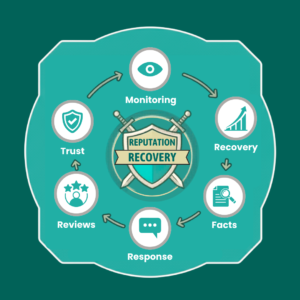
Online Reputation Crisis: How UK Brands Can Recover From Viral Backlash
Introduction An Online Reputation Crisis can put a UK brand under intense public attention within hours. The right response is not to panic, argue with
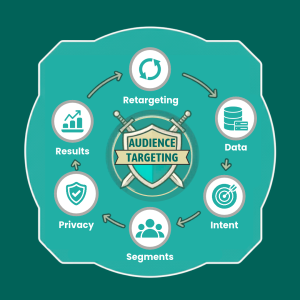
Custom Audience Targeting: How to Build High-Converting Audiences in the Post-Cookie Era
Introduction For years, digital advertising has relied heavily on tracking signals to help advertisers understand who is interested in a product, where they have been
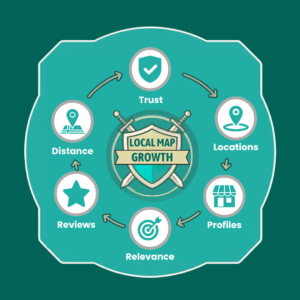
Multi-Location Local SEO: How UK High-Street Brands Win Regional Map Packs
Introduction Running a local search for a single shop on a bustling high street is straightforward enough. Managing it across 50, 100, or several hundred