

Introduction
A website can look neat and still miss the people most likely to buy. This is a common issue for a growing firm. A basic template may work well at first. It gives the firm a home online and makes key details easy to find. But growth changes what the site needs to do.
A firm may add new services. It may move into new towns. It may also face more firms in the same search results. At that point, local lead generation needs more than a neat set of pages. The site must match what people search for, answer key questions and make the next step clear.
That does not mean every firm needs a large custom site. It means the site should grow with the business. Good page structure, useful local content and clear paths to contact can matter as much as the look of the site.
Table of Contents
What the UK Website Numbers Tell Us
Having a website is now common. The UK Business Data Survey 2026 found that 78% of UK businesses had a website in 2025–26, up from 68% in 2023–24.
The number is even higher among larger firms. Medium businesses reported a rate of 97%, while large businesses reported 99%.
These figures matter because a website alone is no longer a clear edge. As more firms build an online presence, the gap can come from how well that site serves local search and turns visits into useful actions.
Search work should be part of the wider site plan, not a task that sits off to one side.
What Happens When a Website Stays Too Generic
A template gives a set layout. That can save time. It can also place limits on how a firm shows its services and areas.
Design Comes Before Search Intent
Many templates start with blocks for a hero image, a short intro, a service list and a contact form. These blocks may look good, but they do not show what a buyer needs at each stage.
A local buyer may search for one service in one town. They may want proof, pricing details, opening times or a quick way to call. A generic page can miss these needs.
Growth Adds More Detail
A small firm may start with five pages. A growing firm may soon need pages for new services, new areas, case studies and useful guides.
When all of these sit within a single basic layout, pages can become vague. Key topics may be packed into one page. Important local terms may never get their own useful page.
Repeated Pages Can Hurt Trust
Copying one page for ten towns can make a site feel thin. A buyer can spot the pattern. Search engines may also struggle to see why each page should exist.
Useful local pages need real detail. They should explain the service, the area, and why the page is useful to someone there.
How Local Lead Generation Starts With Better Search Intent
People rarely search in a neat way. One person may search for a service. Another may add a town. A third may use a “near me” search.
Understanding how local SEO generates leads starts with these real searches. The goal is to see what people want, then build pages that meet that need. This is another way local SEO generates leads.
Match Pages to Real Searches
A service page should answer a clear service need. A local page should add useful local context. This is another way local SEO generates leads.
This helps a site serve more than one search term. It also makes the page more useful to the person who lands on it.
Give Strong Intent a Clear Path
Some searches show a clear need. A person looking for a local security firm, for example, may be ready to ask for a quote.
The page should not make that person hunt for contact details. The phone number, form or next step should be easy to spot.
Build Trust Before the Enquiry
Local buyers often compare a few firms before they make contact. Simple proof can help. This may include reviews, project examples, service details, areas covered and clear business information.
Why Local SEO Services Need the Website to Work as One System
A strong local search plan cannot sit apart from the website. Pages, content, links and calls to action all need to support the same goal.
That is where local SEO services can help shape the wider site plan. The work can cover local pages, on-page signals, technical issues and the links between related pages.
Connect Services and Locations
A business with many services and areas needs a clear page map. A service page can explain the main offer. A local page can add area detail. Related pages can then link to each other. This helps people navigate the site and makes it easier to understand.
Keep Local Pages Useful
A page should exist for a reason. It may target a real service area, explain a local need or answer a common question.
Local detail can be simple. It may cover the areas served, local project work, travel range or service limits. The key is to add facts that help the reader.
Use the Official Business Details Carefully
Business name, address, phone details and service areas should be clear and consistent. Small gaps can create doubt for users and make local signals less clear. This is important for local lead generation, as people need to know they have reached the right business.
It also helps to keep these details the same across the website, Google Business Profile and trusted business directories. When details match, people can confirm they have found the right business.
Clear contact details also make it easier for someone to call or send an inquiry without looking around the site.
Why a Lead Generation Website Needs More Than Traffic
A site can bring in visitors and still get few enquiries. Traffic is only one part of the job. A lead generation website should help a visitor move from interest to action. That action could be a call, form, booking or quote request.
Put the Main Message First
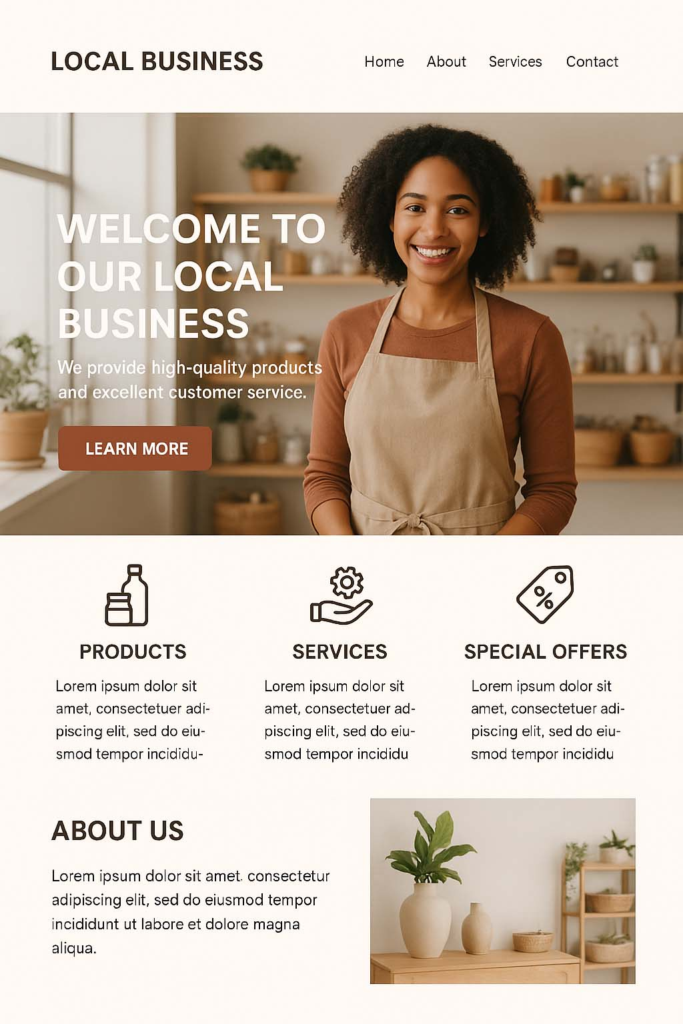
People should know what the business does within a few seconds. A clear heading and short opening can help.
Long blocks of text can hide the main point. A simple page lets people scan the content and still understand the offer.
Make Calls to Action Easy to Find
A call to action should match the page and the user’s needs.
For example:
- A service page can invite a quote request.
- A local page can encourage a call.
- A guide can lead readers to a related service.
- A contact page can keep the form short and clear.
The action should also be easy to find on mobile devices
Reduce Friction
Small barriers can stop people from making contact. A form with too many fields may put people off. The same can happen when a phone number is hard to find. Simple forms, clear labels and easy contact options can make the process much easier.
For businesses that want to understand how this type of website can be structured, using a trusted lead generation website service provides more detail.
The Warning Signs Your Website Has Outgrown Its Template
A template may be doing its job if the site is small and easy to manage. The strain often shows when the business starts to grow.
Your Traffic Is Rising, but Enquiries Are Not
This can point to a gap between search visits and the page experience. People may be arriving with a clear need but finding no easy next step.
You Cannot Create Useful Local Pages
If every new area needs to fit the same short block, the site may lack the space and structure needed to serve each market well.
Your Services Share One Generic Page
When many offers sit on one page, visitors may struggle to find the service that fits their needs.
Adding a New Area Feels Like Starting Again
A scalable site should make it easier to add useful pages. A rigid template can turn each new area into a design problem.
Templates Still Have a Place in Digital Growth
A template is not always a problem. It can be a good fit for a new firm, a small site or a simple offer. The problem comes when the business has changed, but the site has not.
At that point, the question is not whether a site uses a template. The better question is whether the structure supports the business, its customers and its growth plans.
A simple site can still be strong. It just needs enough room for useful content, clear local relevance and a smooth path to contact.
Conclusion: Build a Website That Can Grow With Your Market
Scaling changes the job of a website. What worked for a small firm may not work when the business serves more places, offers more services and faces more competition.
Local lead generation needs a site that can meet people at the point of search and guide them towards a useful next step. That starts with sound page planning, clear local detail and a simple user journey.
For businesses reviewing their current website and SEO setup, Midland Marketing brings these areas together with a focus on practical growth
Frequently Asked Questions
Can a basic website generate local leads?
Yes. A simple site can bring in leads when it targets a clear service, serves a clear area and gives visitors an easy way to get in touch. The issue is scale. A basic layout can become harder to manage as services and areas grow.
How does local SEO generate leads for a business?
It helps the business appear when people search for a service in a relevant area. The page then needs to meet that search with useful information, trust and a clear next step. Search visibility and page quality work together.
When should a business use local SEO services?
They can be useful when a firm relies on local customers, enters new areas or faces strong search competition. The work is most useful when it is linked to the website, business goals and customer needs.
What is a lead generation website?
It is a site built to turn relevant visits into actions such as calls, forms, bookings or quote requests. Clear messages, useful pages and simple contact paths are key parts of the setup.
Is SEO useful for firms with several locations?
Yes. Local business SEO can help each real service area have a useful place in search. The pages should be distinct, accurate and helpful rather than being copies with only the town name changed.

Written by - Lauren Davison
Introducing Lauren – one of our content writers who has a flair for SEO and creative strategy!
With a Master’s Degree in Creative Writing, Lauren has niched down into SEO and content writing.
Outside of work, she loves watching the darts, reading and the pub on the weekend.
Want some more?
Latest Insights & News
Voice Search SEO 2026: Why 40% of Queries Now Have No Keywords
Introduction “No keywords” doesn’t mean people have stopped searching for things. It means they’ve stopped typing fragments and started asking full questions out loud. Where
How Are ChatGPT & Perplexity Changing SEO Through AI Search Optimisation?
Introduction Search behaviour has started to shift beneath the surface of traditional SEO. Instead of opening several Google results, users can now describe a problem
Why Basic Templates Can Limit Local Lead Generation
Introduction A website can look neat and still miss the people most likely to buy. This is a common issue for a growing firm. A