

Introduction
Walk down any high street in the UK and look at the advertisements. Almost every poster has a giant brand logo stamped on it. Companies want to make sure you know who is talking to you. But the Heinz Trigger the Taste campaign went in the opposite direction.
They left the logo off completely. They also took off the product names. Instead, Heinz trusted people to look at simple pictures and work it out for themselves.
The posters showed everyday meals that folks in Britain eat all the time. You had hot chips, warm toast, and fresh bacon rolls. Next to the food, Heinz used its famous background red and label shapes. Anyone looking at the poster knew what brand it was instantly.
That brave choice worked wonders. The campaign bagged the Grand Prix at the 2026 Outdoor Media Awards. It showed that when a brand trusts its audience, big things happen.
Why did this ad hit the mark so well? Let us break down the core idea of outdoor advertising, the choice of poster spots, how brand memory works, and the lessons marketers can take home.
Table of Contents
What Was Heinz Triggered by the Taste?
The Creative Idea Behind the Campaign
The main thought behind Trigger the Taste was pretty simple. Some classic foods just feel incomplete without Heinz sauce on the plate. The advertisements featured close-up photos of warm meals. The text sat inside a shape that matched the outline of the classic Heinz label.
The poster played directly on how food makes us feel. When you see a hot plate of chips, your mind goes straight to tomato ketchup. The team did not bother with long paragraphs. Just placing a word like “Chips” on that iconic red backdrop was enough to make people feel hungry on the spot.
Why the Campaign Went Without a Logo
Stripping your logo off a huge ad campaign sounds crazy at first. But Heinz knows that people recognise their visual style without needing a nameplate. Very strong brands do not have to introduce themselves every single time.
Heinz has stuck to the same red shade, label outline, and visual style for generations. That means people already hold those images in their heads. Leaving the logo off made the poster look clean and smart. It felt less like someone trying to sell you something and more like a clever piece of art.
Making People Complete the Message
If an ad hands you all the answers right away, you will probably walk straight past it. By leaving off the logo, Heinz set up a small visual puzzle for people on the street.
Passers-by had to stop for a split second to connect the dots. That short pause forces your brain to pay attention. When you figure out the answer by yourself, the ad sticks in your memory much longer.
Why the Idea Worked So Well in Outdoor Advertising
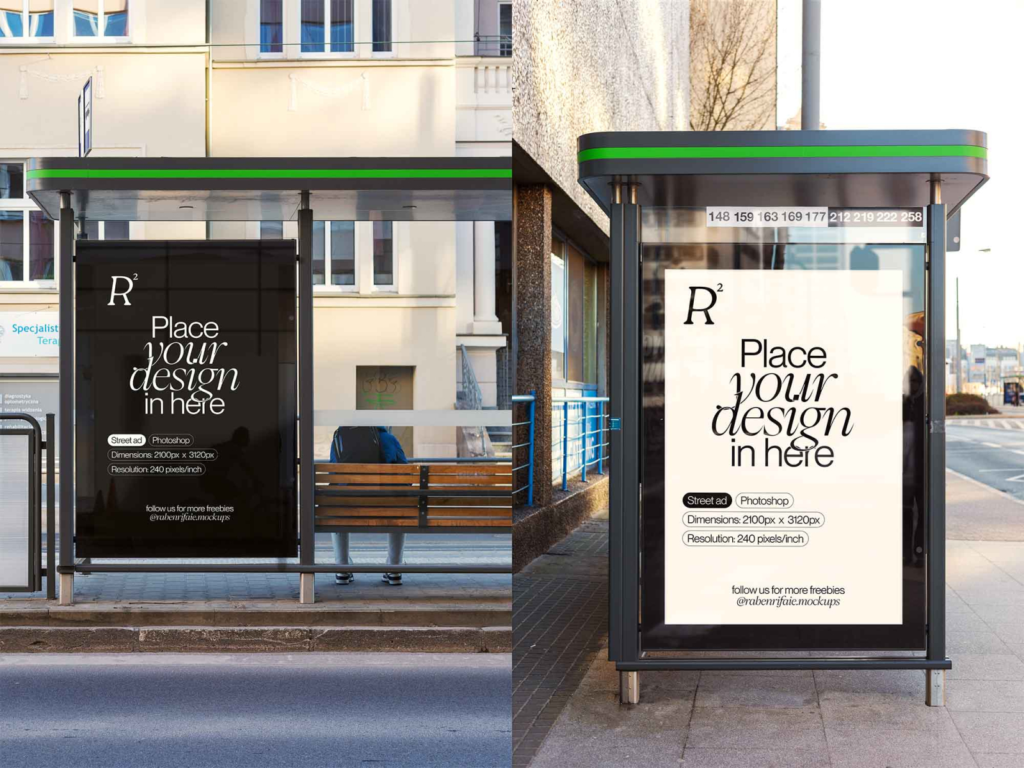
Street billboards are a very specific place to show an advertisement. People walking past or driving by in cars only get a couple of seconds to look at your sign. If you want to read up on the official rules for placing billboards along British roads, take a quick look at the guide on outdoor advertisements and signs.
Bold pictures always beat big blocks of text in public spots. The Heinz artwork was built so anyone could spot the message from way down the road. If you are planning your own local ad strategy, set up simple campaigns that grab attention fast.
Simple Creative for Fast Attention
These posters worked so well because they kept things lean:
- One clear picture: A single photo of tasty food.
- Very few words: Short text that anyone can read in a flash.
- Strong link to the product: Tying warm meals straight to taste memories.
- Easy to see from far away: Bright colours that pop on crowded high streets.
The Power of Context
How you position your advertising can be just as important as the creative itself. Heinz strategically placed their ads near high street shops, bus stops, and takeaway joints.
Imagine you are waiting outside for the bus. Then you see an advertisement for something tasty. You are suddenly picturing eating hot chips while standing in the cold.
How Heinz Built Recognition Without Showing Its Name
Brand Recognition Does the Heavy Lifting
True brand recognition comes from using the same visual rules for a very long time. Heinz has stuck with its core colours and label shapes for well over a hundred years. Our brains can process a clear picture far faster than reading a line of text.
The Product Becomes the Brand Signal
Every bit of the poster worked to tell people who made it:
- The Keystone Shape: The main text sat inside the shape of the famous Heinz label.
- Heinz Red: The artwork used the exact red colour that people associate with the bottle.
- Food Combinations: The photos featured classic British meals that people usually eat with Heinz sauce.
Why This Approach Would Not Work for Every Brand
This tactic will not work for every business. A brand-new shop cannot put up a poster without its name, phone number, or website. New companies need clear names so people learn who they are. This campaign shows the strength of Heinz advertising, built up over many decades of hard work.
The Role of Out of Home Advertising in the Campaign
Out-of-home campaigns let brands talk to masses of people out in the real world. Huge posters on public streets bring people together in a way tiny phone screens just cannot replicate. Seeing a massive billboard without a logo feels like a fun secret shared with everyone on the street.
Why OOH Advertising Rewards Strong Visual Ideas
Busy streets reward simple visual layouts. Drivers and commuters do not have the time to sit and read bullet points. OOH Advertising works best when it delivers a quick, punchy thought that hits you right away.
Creative and Media Need to Work Together
A great ad concept falls flat if you stick it in the wrong location. The media team picked spots where people were already likely to think about lunch or dinner. When smart creative design pairs up with clever poster placement, your ad budget works twice as hard.
5 Outdoor Advertising Ideas Marketers Can Take From Heinz
Make One Idea Do the Heavy Lifting
Stop trying to cram five different messages onto one board. Pick a single strong thought like great taste or speed and run with it.
Trust Your Audience
You do not have to explain every little detail. Give your audience just enough clues so they can work out the rest on their own.
Use Brand Assets People Already Know
Lean on colours, shapes, and product shapes that people already link to your company. Over time, those visual clues do more work than your business name.
Design for the Viewing Environment
Test your poster layout from 20 yards away. If it looks messy or hard to read from across the street, strip out the extra clutter.
Make the Campaign Worth Remembering
Try using fun visual tricks or small surprises. Ads that make people smile stick in the mind way longer than plain price lists. These outdoor advertising ideas help any local business stand out from the noise.
Could the Idea Work With Digital Out of Home Advertising?
Digital billboards give companies fresh ways to run campaigns outdoors. Modern screens can swap pictures depending on the time of day, current weather, or traffic flow.
Static vs Digital Outdoor Media
Paper posters stay up all day and night without sharing screen time with anyone else. Digital out of home advertising lets brands run breakfast meals in the morning and dinner shots at night. Both options play a massive part in modern outdoor media.
Keeping the Core Idea Simple
It is easy to get carried away and add flashy animations to digital screens. But too much motion can ruin a clean visual idea. Technology should help your message, not get in its way.
What the Campaign Teaches Us About Creative Advertising
Breaking a Familiar Rule Can Create Attention
Most marketing books tell you to slap a giant logo on every single graphic. Heinz broke that rule on purpose. Doing something unexpected gets people talking about your brand.
Creativity Works Best When It Has a Purpose
Leaving off the logo was not just a fancy design trick. It showed everyone that Heinz is a massive part of food culture in the UK. Great creative advertising campaigns use bold ideas to make a genuine point.
Strong Brands Can Give Creative Teams More Freedom
When people already know your business well, you can take bigger creative risks. Staying consistent over long periods gives your team room to make fun, memorable ads.
Conclusion
The Heinz Trigger the Taste campaign won the 2026 Grand Prix because it was simple, clean, and brave. It used strong brand memory, great food photos, and a logo-free design built specifically for public streets.
By trusting people to guess the brand, Heinz pulled off a brilliant Outdoor advertising campaign that people will remember for a long time. The main lesson is clear: you do not always need to say more.
Sometimes, giving your audience just enough clues to connect the dots makes your message impossible to forget. If you want to build simple, high-impact ads for your own business, reach out to Midland Marketing today.
Frequently Asked Questions
What is the Heinz Trigger the Taste campaign?
It is a famous UK outdoor ad campaign run by Heinz. It used photos of classic meals without any logos, trusting people to recognise the brand all on their own.
Why did Heinz remove its logo from the campaign?
Heinz took away the logo to showcase how famous its brand style is. Years of using the same red backdrop, label shape, and food shots meant folks knew it was Heinz straight away.
Why did Heinz Trigger the Taste win the 2026 Grand Prix?
The campaign won the 2026 Grand Prix because it was bold, clean, and built perfectly for street billboards. It made people feel hungry without cluttering up the design with text.
What can marketers learn from the Heinz campaign?
Marketers learn that simple ads work best outdoors. Building unique visual assets over time helps you talk to customers faster and stand out from the competition.
Can a logo-free campaign work for every brand?
No. Logo-free ads only work if people already know your brand inside out. Well-known brands can hide their names, but newer businesses need to keep their logos clear so customers learn who they are.

Written by - Lauren Davison
Introducing Lauren – one of our content writers who has a flair for SEO and creative strategy!
With a Master’s Degree in Creative Writing, Lauren has niched down into SEO and content writing.
Outside of work, she loves watching the darts, reading and the pub on the weekend.
Want some more?
Latest Insights & News
Voice Search SEO 2026: Why 40% of Queries Now Have No Keywords
Introduction “No keywords” doesn’t mean people have stopped searching for things. It means they’ve stopped typing fragments and started asking full questions out loud. Where
How Are ChatGPT & Perplexity Changing SEO Through AI Search Optimisation?
Introduction Search behaviour has started to shift beneath the surface of traditional SEO. Instead of opening several Google results, users can now describe a problem
Why Basic Templates Can Limit Local Lead Generation
Introduction A website can look neat and still miss the people most likely to buy. This is a common issue for a growing firm. A