

Introduction
A hair salon in Leeds recently paid a creator with nine thousand followers to talk about a new treatment range. The post outsold a campaign the same salon had run months earlier with someone who had half a million followers. Nobody on the marketing team expected that. It’s the kind of result that makes you go back and check the numbers twice.
UK micro-influencers keep producing outcomes like this, and it’s changing how a lot of businesses think about who they hire. Follower count used to be the whole conversation. More followers, bigger deal, bigger result, that was the assumption, and for a while it more or less held up.
It doesn’t hold up as neatly now. People have got fairly good at spotting when someone is being paid to like a product, and a following of two million doesn’t automatically mean two million people who trust what that person says. Somewhere along the way, relevance started mattering more than raw reach.
That’s the shift this piece digs into: why a smaller, tighter audience often beats a distant one, and where the bigger names still make sense.
Table of Contents
Why UK Micro-Influencers Are Winning Audience Trust
Smaller Circles, Stronger Connections
Talk to three thousand people who all care about the same niche thing: allotment gardening, sourdough, five-a-side football, whatever it happens to be, and the tone of the conversation changes. It stops sounding like a broadcast and starts sounding like a group chat someone let you into.
A creator with that kind of following often knows their audience by name, or close to it. A creator with two million followers doesn’t have that option. They’re talking to a stadium, not a table of mates, and the content has to reflect that.
Authenticity Beats Polished Perfection
Creator authenticity is doing a lot of the heavy lifting here. There was a period when glossy production meant credibility, proper lighting, a script, maybe a small crew. These days that same polish can work against a creator, because it starts to look like an advert wearing a disguise.
A video shot on a phone, in a kitchen with the washing up still in the background, tends to land better. Not because it’s technically good. Because it looks like a real person made it, in about ninety seconds, without asking permission from a brand manager first.
Trust That Can Influence Action
Audience trust isn’t a soft, feel-good metric that lives on a slide somewhere. It shows up at the checkout. It shows up when someone screenshots a comment thread before buying something, hunting for the person who said “actually this broke after a week” among all the sponsored praise.
When followers believe a creator would flag a bad product, they take the good ones more seriously too. That’s worth more than a view count, in my experience, even though it’s harder to put in a report.
Micro Influencer Marketing UK Delivers More Meaningful Engagement
Why Engagement Rate Matters
Anyone can tap a like button without reading the caption. A comment takes longer. A save takes intent. A share means someone thought of a specific friend while scrolling and decided to send it their way.
That’s the gap between reach and engagement rate, and it’s why brands increasingly treat the two as separate metrics rather than one blending into the other.
The Engagement Gap Explained
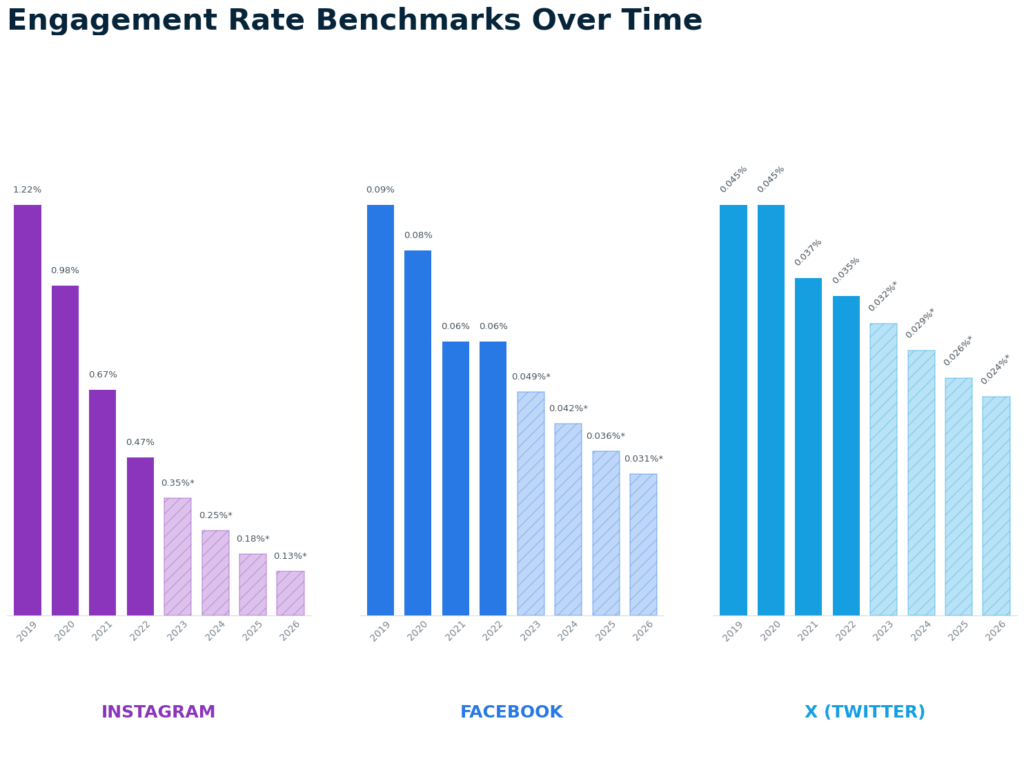
There’s a fairly well-known pattern in the creator economy: as an account grows, engagement per follower tends to shrink. The audience gets more anonymous, the comments get more generic, and the creator can’t reasonably reply to everyone anymore. Micro-influencer marketing UK campaigns often sidestep that problem simply because the audience stays small enough for the relationship to hold.
Bigger accounts still have their place. They just tend to win on visibility, not closeness, and those are different jobs.
When Fewer Followers Win
Specialist products do particularly well here. So do local services and niche hobbies, where the follower base might be modest but genuinely invested. A bakery in Wolverhampton doesn’t need a creator with a national reach. It needs someone whose followers live close enough to actually walk in and buy the cake.
Micro influencer engagement tends to peak exactly in conditions like that, where being relevant to a small group beats being visible to a huge one.
Micro Influencers vs Mega Influencers: What Should Brands Choose?
Reach vs Relevance
Mass visibility earns its keep for brand launches and awareness campaigns, anything where the goal is simply to be seen by as many people as possible. Relevance earns its keep everywhere else: conversions, loyalty, community, the slower work of building something that lasts past one campaign.
Framed as micro influencers vs mega influencers, it can look like a contest. It isn’t, really. It’s a question of what the campaign is trying to achieve before a single creator gets booked.
Cost, Content and Campaign Value
One post from a mega creator can eat a small brand’s entire quarterly budget. Spread that same money across several micro-creators instead, and a brand usually ends up with more content, more angles, and more chances to see what actually resonates with real buyers.
Rate cards tell you what something costs. They don’t tell you what it does. A brand paying for reach gets a moment. A brand paying for relationship-driven content often gets customers who stick around.
The Numbers Behind the Choice
The table below is meant to show relative strengths, not settle the argument outright; results still depend heavily on the sector and what the campaign is actually trying to do.
Factor | Micro-Influencers | Mega Creators |
Audience size | Smaller, niche following | Very large following |
Engagement | Often highly interactive | Can be broader but less personal |
Audience connection | Stronger community feel | More distant at scale |
Content style | Often relatable and personal | Usually more polished |
Brand fit | Strong for niche targeting | Strong for mass awareness |
Campaign goal | Trust, engagement and conversions | Reach and visibility |
How UK Micro Influencer Marketing Fits Different Campaign Goals
The Sweet Spot for Niche Brands
Outdoor gear, independent skincare labels, small food producers — sectors like these rely on relevance more than sheer numbers. UK micro influencer marketing tends to suit them well, because the goal isn’t to reach more people. It’s to reach the right ones. A creator with three thousand of the correct followers usually beats one with three hundred thousand of the wrong ones.
Turning Communities Into Customers
Most product discovery starts with a recommendation from someone the buyer already trusts. Not an algorithm, not an advert, a person. Creators with that kind of standing shorten the journey from curiosity to checkout considerably, because the trust part is already done before the buying part begins.
Building Long-Term Brand Advocates
A single sponsored post rarely changes much on its own. Repeated collaborations do more of the work, because followers start to notice the pattern and stop reading it as an advert. It becomes something closer to a genuine endorsement, which is really what most brands were hoping for in the first place.
How to Choose the Right Micro-Influencer for Your Brand
Look Beyond the Follower Count
Check the engagement rate first, not the follower total. Actually read the comments instead of skimming past them. Look for signs of a real conversation happening underneath the posts, not just a row of identical emojis.
Check the Audience Before the Aesthetic
A gorgeous feed doesn’t mean much if the people following it aren’t the people a brand wants to sell to. Look at the demographics behind the account. Check whether the audience genuinely sits in the UK market the brand cares about, rather than assuming a nice-looking grid will sort that out.
Spot Real Influence Before Signing
Past brand partnerships are worth a proper look before committing to anything. How did the creator handle sponsored content before? Did it feel like a natural fit, or a forced one? (Scroll back through six months of posts before agreeing to terms. It takes ten minutes and can save a fair bit of regret later.)
Conclusion: Why Trust Can Matter More Than Reach
A big follower count still looks good on a pitch deck. It just doesn’t guarantee much once the campaign actually goes live. UK micro-influencers keep proving that engagement, relevance and authenticity often carry more weight in practice than raw audience size ever will.
Which creator makes sense depends on what the campaign is actually for, not on the size of the following attached to them. A launch chasing mass awareness might still need a household name. Everything built around trust and conversions usually does better closer to home.
Midland Marketing helps businesses across the UK build strategies with that kind of thinking baked in, rather than defaulting to whoever has the biggest number next to their name. If influencer activity is on the table for the year ahead, it’s worth working out which type of creator actually fits the goal before spending a penny.
Frequently Asked Questions
What is a micro-influencer in the UK?
Generally, a content creator with somewhere between one thousand and one hundred thousand followers, known for closer, more personal engagement than larger celebrity-style accounts.
Why do micro-influencers often have higher engagement?
Their audiences tend to be niche and closely connected, which encourages real interaction rather than passive scrolling past a familiar face.
Are micro-influencers better than mega influencers?
It depends on what the campaign needs. Mega creators suit mass awareness, while micro-creators tend to suit engagement, trust and conversions. Neither wins in every situation.
How can UK businesses find the right micro-influencer?
Look at audience fit, engagement quality, content consistency, and how previous brand collaborations actually went before signing anything.
Are micro-influencer campaigns worth the investment?
Judge value against relevant KPIs, engagement, conversions, repeat interest, rather than follower count on its own.

Written by - Lauren Davison
Introducing Lauren – one of our content writers who has a flair for SEO and creative strategy!
With a Master’s Degree in Creative Writing, Lauren has niched down into SEO and content writing.
Outside of work, she loves watching the darts, reading and the pub on the weekend.
Want some more?
Latest Insights & News
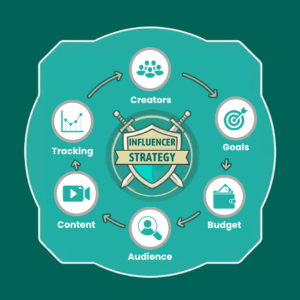
Influencer Marketing Strategy 2026: How UK Businesses Can Stop Wasting Money
Introduction Influencer marketing can help a business reach people who already follow and trust a creator. But paying for a post does not mean you
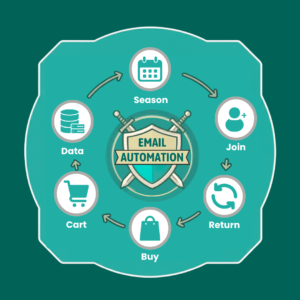
5 Data-Driven Email Automation Workflows for UK Consumers
Introduction Email remains one of the best ways to connect with customers. In the UK, people expect brands to send useful messages at the right
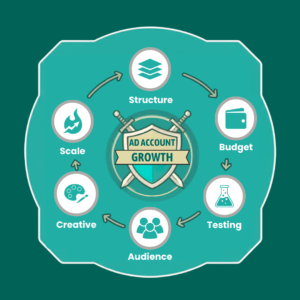
How UK Digital-Native Brands Build a Meta Ads Account Structure for Scale
Introduction A Meta account rarely becomes complicated overnight. It usually happens one decision at a time. A new product gets its own campaign. Another audience