

Introduction
Most multi-service websites don’t fail because of weak pages. They fail because nothing connects. You might have strong content, yet rankings stay flat; that’s common. The real issue is structure. Without it, Google sees noise, not expertise. Building topical authority for multi-service websites fixes this. It brings order, not just volume. Today, search rewards depth, links between ideas, and clear focus across topics.
Topical authority is not built on one page. It grows when services support each other. Each page adds weight, and links add meaning. With the right structure, your whole site starts to work as one system.
Table of Contents
Why Multi-Service Websites Struggle To Build Authority At Scale
Most businesses expand services first and think about structure later. That’s where things break.
Scattered Content Without Clear Topical Boundaries
Many sites grow fast, but without a plan. Pages sit there, yet they don’t connect. There’s no real shape. This weakens topical mapping for multi-service businesses and breaks entity-based content clustering. Search engines struggle to see what the site stands for.
Competing Service Pages Targeting Similar Intent
Different services often chase the same keywords. It looks fine on the surface, but it causes overlap. This leads to cannibalisation and mixed signals. Without proper search intent alignment, even strong pages lose ground in semantic SEO for national brands.
Lack Of Depth Within Each Service Category
Some pages try to rank across the country with little support. No blogs, no layers, no depth. Without a system like a cross-service internal linking strategy, authority stays weak and scattered.
Building Topical Authority For Multi-Service Websites
To scale rankings across services, you need a system. There shouldn’t be more pages to hold and have a better structure.
Define Core Service Entities First
Start simple and treat each service as its own entity, not just another URL. This is key in semantic SEO for national brands. Map what each service really covers. Keep it close to what you offer in the real world. Strong entities improve knowledge graph optimisation and help search engines understand your site faster.
Create Clear Topical Clusters For Each Service
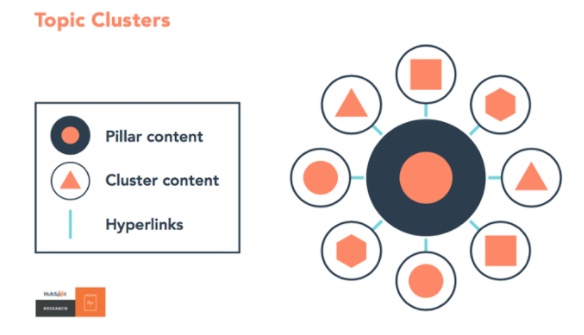
A clean structure builds trust and clarity. Use topical mapping for multi-service businesses to guide this. By organising your site into topic clusters, you can create a deliberate architecture that signals deep expertise to search engines for every service category you offer.
Use topical mapping for multi-service businesses to guide this.
- Main service page (commercial intent)
- Supporting blogs (informational intent)
- Case studies or proof pages
- FAQs targeting long-tail queries
Build Depth Before Expanding Breadth
Don’t rush into new services. Go deep first, add layers and build real coverage using information gain across service lines. This strengthens authority and keeps each category clear and focused.
Topical Mapping For Multi-Service Businesses That Actually Works
A strong map removes guesswork from your work. It shows what to build, and in what order.
Map Search Intent Across Each Service Line
Start with intent. Split queries into clear groups. Some users want answers. Others want to buy. This is where search intent alignment matters. It helps shape content that fits real needs. It also improves semantic SEO for national brands, as each page serves a clear role.
Use Multi-Niche Topical Maps Without Overlap
Each service should stand on its own, yet still connect. That balance is key. Use multi-niche topical maps to keep topics clean. Avoid blending unrelated ideas. Strong entity-based content clustering keeps boundaries sharp and signals clear.
Plan Content Around Information Gain
Don’t repeat what’s already out there. Add something new each time. Focus on information gain across service lines.
- Add new angles, not repeated ideas
- Cover questions competitors ignore
- Expand depth across service variations
Cross-Service Internal Linking Strategy That Strengthens Authority
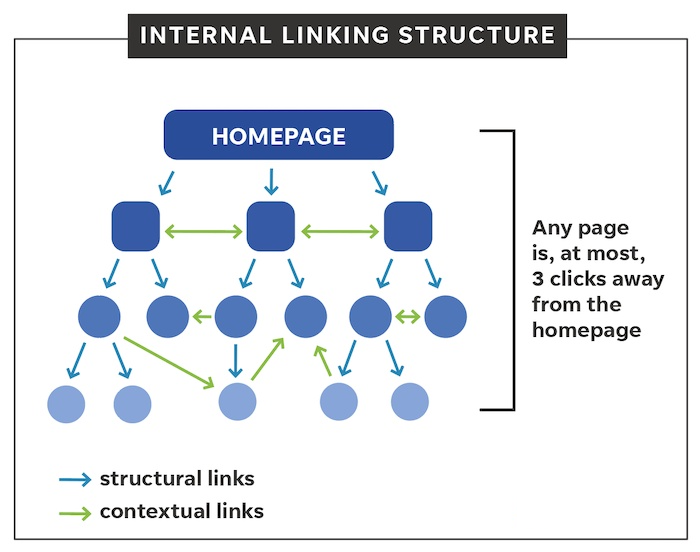
Links are not just navigation. They define relationships between services. When done right, they support building topical authority for multi-service websites by showing how each area connects and adds value.
Connect Related Services Without Diluting Relevance
Not every page needs a link. Only connect where it feels natural. This is key to a strong cross-service internal linking strategy. Forced links break the flow and confuse users. Keep paths clean, so both users and search engines can follow the logic.
Use Contextual Anchors That Reflect Real Intent
Anchor text matters more than most think. Skip vague terms. Use words that match real queries. This improves search intent alignment and supports semantic SEO for national brands by strengthening the meaning between pages.
Build Authority Paths Between Services
Think in paths, not random links. Guide users with purpose.
- From blog to service page
- From service to related service
- From supporting content to core pages
Using Semantic SEO For National Brands Across Multiple Services
Ranking nationally requires more than keywords. It requires meaning and relationships
Entity-Based Content Clustering
Stop chasing single terms. Focus on topics instead. Build content around real entities, not just phrases. This is core to semantic SEO for national brands. Strong entity-based content clustering helps search engines connect ideas and strengthens signals across services.
Knowledge Graph Optimisation For Service Brands
Clarity matters. Use consistent names, services, and structure across pages. This supports knowledge graph optimisation and builds stronger links between your brand and what you offer. Over time, it improves how your services are recognised and trusted.
Align Content With Search Intent Across Locations
Avoid copying the same page for every area. It rarely works. Instead, adjust content based on search intent alignment. Keep messaging consistent, but shift the angle where needed. This keeps relevance high without creating thin or duplicate pages.
Strengthening E-E-A-T Trust Signals For Service Hubs
Authority is not just topical. It’s also trust. When building topical authority for multi-service websites, trust signals decide how far your content can go.
Show Real Experience Across Services
Generic claims don’t work anymore. Show what you’ve done. Use real cases and clear outcomes. This supports strong E-E-A-T trust signals for service hubs and adds depth across service lines. It also improves information gain across service lines, as each example brings something new.
Build Author And Brand Credibility
Keep things consistent. Your tone, your message, and your expertise all should match. Clear authorship and honest content strengthen semantic SEO for national brands. It helps search engines, and users trust what they see.
Reinforce Trust Across Every Service Page
Trust should not sit in one place. It must run across the site.
- Testimonials (light use, not overdone)
- Proof elements
- Clear service explanations
Common Mistakes That Break Topical Authority In Multi-Service Sites
Expanding Too Fast Without Structure
Growth feels good, but speed can hurt. Adding new services without depth weakens the whole site. It breaks topical mapping for multi-service businesses and leaves no clear focus. Without a base, authority never settles.
Repeating Content Across Service Pages
Copying ideas across pages may seem efficient, it isn’t. It lowers value and creates confusion. Search engines look for information gain across service lines, not repetition. Weak variation damages semantic SEO for national brands and limits reach.
Ignoring Internal Relationships Between Services
Some pages sit alone with no links or context. That’s a problem. Without a proper cross-service internal linking strategy, signals stay weak. Strong entity-based content clustering depends on connections. Without them, the site feels fragmented and hard to trust.
Conclusion
Topical authority does not come from adding more pages. It comes from how those pages fit together. Structure shapes results. Each service should stand on its own, yet link with purpose. That balance builds strength over time.
When building topical authority for multi-service websites, focus on depth first. Then connect everything with clear intent. Keep it simple. Keep it aligned. Growth follows when your content feels complete, not scattered.
Frequently Asked Questions
1. How do I start building topical authority for multiple services?
We start by mapping each service as its own topic and then build supporting content around it before expanding further.
2. Can I rank multiple services on one website?
Yes, we can, but only if each service has a clear structure, depth, and internal connections.
3. What is topical mapping for multi-service businesses?
We use it to plan content across services so each topic is covered fully without overlap.
4. How important is internal linking for authority?
It’s critical. We use it to show how services relate and to guide both users and search engines.
5. Does semantic SEO help national service websites?
Yes, it helps me build stronger connections between topics, which improves rankings across services.