


Introduction
Selling across borders was once slow and hard. Now it feels easy. A website can reach many countries in one day. But reach is not the same as results. People in each country search in their own way. They use different words. They expect different things. If you ignore this, growth stalls.
That is why an international SEO country targeting strategy matters. It helps you choose the right countries first. It helps you study demand before you invest time and money. A strong international SEO strategy also makes sure search engines know who each page is for.
Translation alone is not enough. You need research. You need a clear structure. You need local insight. When you plan with care, expansion feels steady, not risky. Choose your markets with purpose. Grow step by step. That approach leads to lasting international success.
Table of Contents
Understanding the Basics of an International SEO Country Targeting Strategy
What Defines an International SEO Strategy
An international SEO strategy helps a site reach people in the right countries. It connects pages with the right audience. Clear signals improve international search visibility and help search engines understand where content belongs. A steady global SEO strategy accepts one simple fact: users are not the same everywhere.
Search habits shift from place to place. Words differ. Buying pace differs too. One customer waits and compares. Another decides fast. Small details matter. Currency signs, spelling, and delivery times all shape trust. When each region gets proper attention, results usually feel more stable than copying one approach everywhere.
Market Targeting vs Country Targeting in SEO
Market targeting focuses on shared needs. Country targeting SEO focuses on the place. Both matter, yet they solve different problems.
With geo-targeting SEO, search engines learn which country a page serves. This becomes important when similar pages exist across regions. Without strong signals, the wrong page may appear. Visitors leave quickly when content feels off. Clear targeting keeps pages aligned with local searches and makes performance easier to measure.
Why Businesses Need Country Targeting
Businesses that target international markets with care often see steadier progress. Trying to enter every region at once spreads effort too thin. Looking closely at global search markets shows where interest is real. Some places produce steady leads. Others bring visitors who never convert. Country targeting helps separate strong markets from weak ones. When each region has a purpose, growth becomes easier to track.
Factors That Influence Market Selection
Choosing countries rarely works on instinct. A practical international expansion strategy depends on real information. Thorough global market research in SEO shows both growth chances and possible risks.
Useful checks often include:
- Search demand
- Competition levels
- Language needs
- Delivery limits
Some markets look perfect in early reports. Reality can differ. Costs rise. Interest fades. Plans shift. Solid research reduces those surprises and keeps decisions grounded.
How an International SEO Strategy Supports Country Targeting Decisions
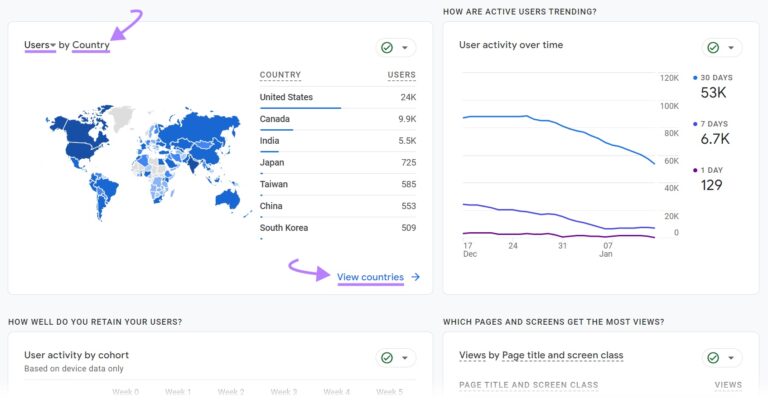
A clear international SEO strategy gives direction when choosing countries to target. Without a plan, expansion often becomes reactive. One opportunity appears, then another, and soon the work feels scattered. A structured approach keeps decisions steady and easier to repeat. It also helps teams explain why certain markets come first and others wait. Country targeting works best when each step has a purpose. Some markets deserve early attention. Others make sense later. Planning brings order to that process and reduces costly detours.
Identifying High-Potential International Markets
Finding strong target countries SEO opportunities usually starts with basic comparisons. Businesses look at demand, growth patterns, and entry difficulty. Some regions show steady interest right away. Others take time to build. Smart international market selection often favours reachable wins. A mid-sized market with steady demand can outperform a large market full of dominant competitors. Quick progress builds confidence and funds future expansion. Sometimes the best opportunity is not the biggest one. It is simply the one you can enter successfully.
Analysing Search Demand by Country
Sound decisions rely on careful international keyword research. Search habits vary more than many teams expect. Even countries sharing a language often use different terms. Studying regional search behaviour shows what people actually type. Direct translations miss these details. Local wording usually matches real searches more closely and produces stronger results. Patterns also shift over time. Regular checks help keep targeting accurate.
Evaluating Competition Across Countries
At first glance, many markets appear open. A closer look often tells a different story. Detailed international SERP analysis shows which sites already hold strong positions. Heavy global SEO competition can slow progress. Some regions require larger budgets or longer timelines than expected. Knowing this early prevents unrealistic plans. Strong competitors are not always a barrier, but they do shape the strategy.
Prioritising Countries for Expansion
Growth becomes safer when markets are added step by step. A scalable international SEO approach allows testing before deeper investment. A practical global expansion strategy often begins with one or two countries. Results from early markets guide later decisions. Mistakes stay small. Improvements come faster. Steady expansion may look slower from the outside. In practice, it often reaches stable growth sooner.
Technical Elements of an International SEO Country Targeting Strategy
Technical decisions shape how clearly search engines understand your targeting. Even strong content struggles without proper structure.
Choosing the Right International Site Structure
A clear international site structure helps search engines recognise regional pages. Businesses typically choose between ccTLD domains, subfolders, or subdomains. Each structure has advantages. ccTLD domains provide strong geographic signals, while subfolders are easier to manage. The best choice depends on long-term expansion plans.
Using Hreflang for Country Targeting
Correct use of hreflang tags supports accurate geo-targeting SEO. These tags indicate which page version belongs to which country or language. Without hreflang, search engines may show the wrong version of a page. This leads to poor user experience and weaker rankings.
Managing Multilingual SEO Content
Effective multilingual SEO goes beyond translation. Pages must use localized keywords that match real search behaviour. Content should feel natural to local readers. Machine translation rarely achieves this. Local adaptation improves both rankings and engagement.
Search Engine Localization and Regional Ranking Signals
Search engine localization influences how pages rank in different regions. While Google dominates globally, many countries rely on local search engines. Different engines prioritise different regional search signals, including local backlinks and regional hosting. Understanding these signals helps businesses build stronger visibility.
Content Planning in an International SEO Country Targeting Strategy
Content connects strategy with real users. Without localisation, even technically strong sites struggle to engage visitors.
Creating Localised Content for Each Market
Strong international content localization ensures pages match local expectations. This includes tone, terminology, and examples. Effective regional content optimisation makes content feel relevant rather than imported. Users respond better when content reflects familiar situations.
Keyword Mapping Across Countries
A structured multilingual keyword strategy ensures each country has clear targeting. Overlapping keywords can create confusion if not managed properly. Consistent international keyword research helps businesses assign keywords logically across regions.
Addressing Cultural Differences in SEO
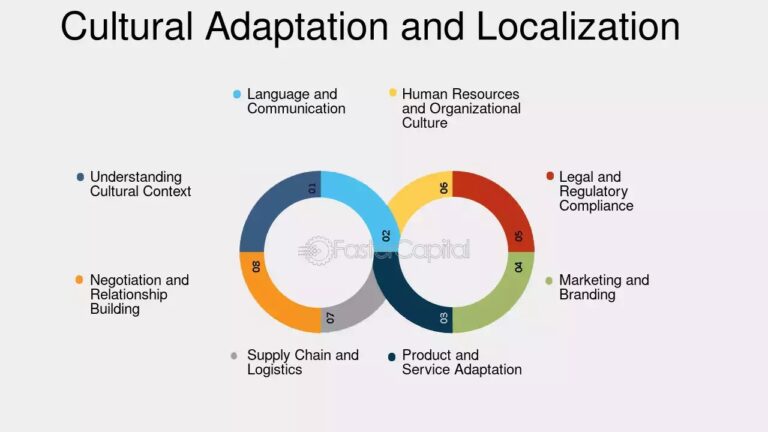
Successful language targeting SEO recognises cultural differences. Words carry different meanings across regions. Careful cultural localisation SEO prevents misunderstandings and improves engagement. Small adjustments often make a significant difference.
Matching Content to Local Search Intent
Understanding regional search behaviour helps businesses match content to user needs. Local expectations often differ from global search trends. Aligning content with local intent improves both traffic quality and conversions.
Measuring and Improving an International SEO Country Targeting Strategy
International SEO requires continuous monitoring. Results rarely remain static.
Tracking International SEO Performance
Accurate international SEO analytics reveal how markets perform individually. Reliable global SEO performance tracking highlights where growth is strongest and where adjustments are needed.
Monitoring Country-Level Rankings
Check rankings for each country, not just global results. This shows true international search visibility. Clear country ranking SEO tracking reveals which markets improve and which need more work.
Identifying Weak Target Markets
Regular reviews through an international SEO audit reveal underperforming regions. Detailed geo-targeting analysis often identifies technical or content issues that limit visibility.
Scaling an International SEO Strategy
A scalable international SEO approach allows expansion without losing control. Sustained global SEO growth usually follows structured planning rather than rapid expansion. Consistency often produces stronger long-term results.
Conclusion
Growing in new countries does not happen by luck. Good teams make a clear plan and move step by step. A strong international SEO country targeting strategy helps you choose the right places first. It helps you build pages for real users and track what works.
Good results come from steady work. A solid international SEO strategy uses research, clear pages, and local words people understand. Simple changes often make a big difference. Start with a few countries. Learn from the results. Then grow with care.
If you want support, Midland Marketing can help. Our team can review your site and plan your next steps. Visit our SEO page to learn more, or contact us to plan your international growth with confidence.
Frequently Asked Questions
What is an international SEO country targeting strategy?
A plan to make your site show up in chosen countries using local pages, keywords, and signals.
Why is an international SEO strategy important for global businesses?
It finds real buyers by matching content to local searches, cutting wasted effort and boosting conversions.
How do you choose countries for international SEO?
Look at search demand, rivals, language needs, and if you can serve customers there reliably.
What is the best website structure for international SEO?
No one-size fits all. Use ccTLDs for trust, subfolders for ease, subdomains for split ops.
How does keyword research work in international SEO?
Study what locals type. Use local tools, check competitors, map intent to pages, then test and refine.