


Introduction
URL shorteners are essential for campaigns. Because it is spread across email, social media, print, and paid ads. Long links do not travel well. They break in messages, look messy in posts, and scare users who do not recognise the source.
Short links solve that problem. But modern link shortening services do far more than tidy URLs. They help marketers measure results, manage campaigns, and protect brand trust across every channel.
Understanding URL shorteners for marketing helps you know more about them. And along with that, you can understand the types available. They are important for businesses focused on growth, visibility, and reliable tracking.
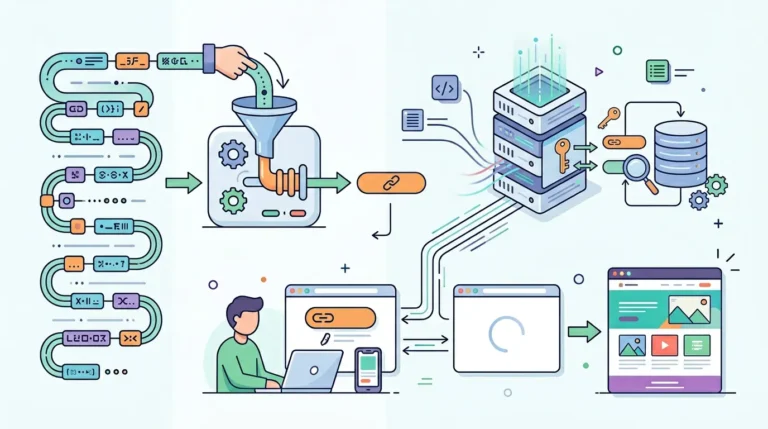
Table of Contents
What Are URL Shorteners and How Do They Work?
The Basic Purpose of a URL Shortener
A URL shortener converts a long web address into a compact version. And this version is used to redirect users to the original page.
The destination stays the same without any changes. But the path just becomes easier to share. Short links are easier to read, copy, and print. This method is important in emails, SMS, social posts, and offline materials.
For marketing teams, they also create a single point where activity can be measured. Instead of guessing how a link performed, marketers get clarity.
How Redirect Links Function Behind the Scenes
When someone clicks a shortened link, the request goes through the shortener’s server first. Because they store the data on their server. With the click, it sends the final URL to the user.
This process enables campaign URL tracking without slowing the user experience. It also allows link tracking and analytics such as click count, device type, location, and time of access. To the user, it feels instant. To the marketer, it provides insight.
Different Types of URL Shorteners
Public URL Shortening Services
Public tools like Bitly or TinyURL allow anyone to shorten a link in seconds. No setup. No domain needed.
They work well for quick sharing but offer limited control. Branding is shared, and analytics are basic. Long-term ownership is not guaranteed. For casual use, they are fine. For business use, they can be restrictive.
Branded Short Links
Branded short links use a custom domain. This approach improves trust and makes links instantly recognisable. Users are more likely to click links that look familiar. Branded short links also reduce spam concerns and improve confidence in emails and messages.
For short links for marketing, branding often leads to better click-through rates without changing the content itself.
Self-Hosted URL Shorteners
Some organisations host their own custom URL shortener. This option provides full control of data, privacy, and link ownership to them.
Self-hosted tools are commonly suited for major businesses. These businesses carry strict compliance needs or high-volume campaigns. They require more setup but remove reliance on third-party platforms. For teams that treat links as long-term assets, this control can be worth the effort.
Understanding URL shorteners for marketing

Improving Link Appearance and Trust
Long URLs can look suspicious. Especially when they include tracking strings or random characters.
Short, clean links reduce friction. They look intentional. They feel safer. In crowded inboxes or fast-moving feeds, that matters. Branded short links strengthen that effect by reinforcing brand recognition at the click point.
Supporting Offline to Online Campaigns
Offline marketing still matters. Posters, flyers, packaging, and signage all rely on readable links. This further supports URL shorteners for marketing and tracking to enhance effectiveness.
Short links are easy to type and pair well with QR code link management. Together, they bridge physical and digital campaigns without confusion. This makes digital marketing links usable beyond screens.
Tracking and Analytics Benefits of Short Links
Measuring Click Performance
Trackable short URLs provide clear performance data. Marketers can see how many clicks a link receives, where users come from, and what devices they use.
This data supports better decisions. It shows which campaigns work and which channels underperform. Click monitoring tools turn links into feedback loops, not blind spots.
A/B Testing with Multiple Links
Short links make testing easier. Marketers can create different links for the same page and place them across channels.
Email versus social. Paid ads versus organic posts. Even wording changes. Campaign URL tracking becomes precise without changing the destination page.
SEO Considerations of Using URL Shorteners
Do Shortened Links Affect Search Rankings
When configured with 301 redirects, shortened links pass SEO value to the destination page. Search engines treat them as permanent redirects.
Problems arise when low-quality or spam-heavy services are used. Excessive link masking from untrusted domains can reduce credibility. Used properly, URL shorteners do not harm search rankings.
The Importance of Link Transparency
Transparency matters to users and search engines. Branded short links clearly show ownership and intent.
They reduce suspicion and increase confidence. This is especially important in emails and ads where trust affects clicks.
Link management platforms that support previews and clear branding help maintain that transparency.
Security and Risk Factors
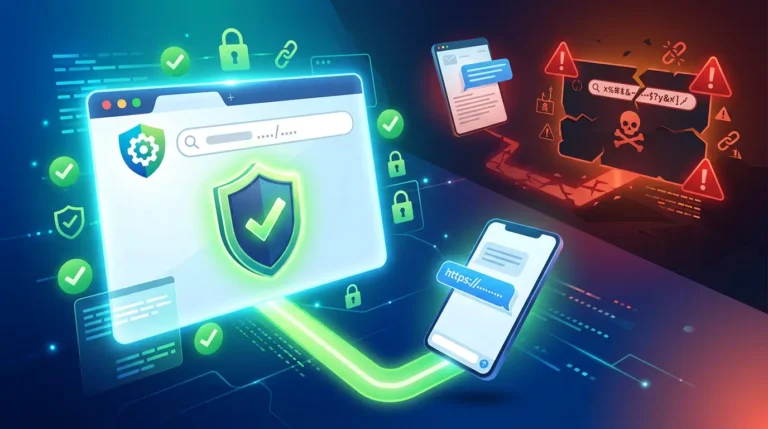
Security is now a top priority for link management. The UK’s National Cyber Security Centre (NCSC) recommends that businesses avoid generic, anonymous shorteners in SMS campaigns, suggesting instead the use of clear, human-readable branded links to help customers verify the source and stay safe from phishing.
Link Masking and Phishing Concerns
Short links hide the final destination, which makes them attractive for misuse. Phishing campaigns often rely on anonymous short URLs. This makes Understanding URL shorteners for marketing easier and better.
Reputable link shortening services address this with spam detection, abuse monitoring, and preview options. Businesses should avoid tools that offer no safeguards or accountability.
Link Expiration and Ownership
Free platforms may delete inactive links or change policies without warning. This can break old campaigns, printed materials, or archived emails.
For a URL shortener for business, link ownership matters. Reliable platforms ensure links remain active and controlled long-term. Broken links damage trust faster than almost anything else.
Choosing the Right URL Shortener for Your Business
Key Features to Look For
Not all tools are equal. Important features include analytics dashboards, branded domains, QR code generation, and campaign tagging.
API access matters for scale. So does integration with other tools. The goal is not just shorter links. It is better link management.
Scalability for Marketing Teams
As campaigns grow, link volume increases. Teams need bulk creation, access control, and shared reporting.
Link management platforms built for teams prevent chaos. They support collaboration without losing oversight. Scalability is less about size and more about structure.
The Future of URL Shortening Technology
Integration with Marketing Automation
Modern short links integrate with CRM systems and marketing automation tools. This connects link clicks to customer journeys.
Instead of isolated data, teams see how links contribute to conversions, retention, and engagement. This turns links into measurable touchpoints.
Smart Links and Dynamic Redirects
Advanced systems now support smart redirects. The destination can change based on location, device, or campaign rules.
A single link can adapt without being replaced. This makes digital marketing links more flexible and efficient. As personalisation grows, links will continue to evolve beyond simple redirects.
Final Thoughts
URL shorteners are not just a convenience tool. They are also a part of the modern marketing infrastructure. Understanding URL shorteners for marketing is one of the best supports you can explore.
From branded short links to detailed links and their tracking with analytics. They support trust, clarity, and performance across channels. They simplify campaigns while improving insight. And in a crowded digital space, that balance matters more than ever.
Frequently Asked Questions
What is the main reason I should use a URL shortener for marketing?
We use a URL shortener to keep links clean and easy to trust. Short links look better in emails, ads, and texts. They also help me see what people click and when.
Are branded short links really worth the effort?
Yes, for me they are. Branded short links feel safer to users and match my business name. We often see better clicks because people know where the link comes from.
Can I track results without complex tools?
We can most likely link shortening services to give basic stats like clicks, time, and location. That is usually enough to judge how a campaign performs.
Do short links ever stop working?
They can use free tools, which sometimes remove links after long periods of no use. That is why we choose platforms that let me keep control of my links.
Is it safe to use short links in emails and SMS?
We find it safe when we use trusted platforms. We avoid unknown tools and always use clear, branded links to reduce spam or phishing concerns.