


Introduction
Most brands chase the same keywords. The race is crowded, and the costs keep rising. Results often disappoint.
Intercept keywords offer a different path. Instead of broad traffic, you focus on people ready to act. These are high-intent keywords. They reflect real needs, not casual browsing.
This is where search intent marketing becomes powerful. You stop guessing. You match what users actually want. A smart, competitive keyword strategy looks for gaps others miss. Many of these sit near bottom-of-funnel keywords, where decisions happen.
Used well, they strengthen conversion-focused SEO. They also support a sharp paid search intercept strategy. With the right SERP targeting tactics, you reach buyers at the right moment.
The goal is simple. Understand customer journey keywords. Capture attention early. Win clicks before competitors even see the opportunity.
Table of Contents
What Are Intercept Keywords?
Intercept keywords target people who are close to making a choice. These users are not browsing for ideas. They are comparing options, checking details, or getting ready to buy.
Broad keywords often bring mixed traffic. Intercept keywords are different. They signal strong intent. The searcher already understands the need. Now they want the right solution.
You will often see patterns like:
- Competitor brand searches
- Comparison queries (“X vs Y”)
- Alternative-focused searches (“best alternative to…”)
- Action words (“buy,” “pricing,” “reviews”)
- Location-based buying terms
The term “intercept” fits well. You reach users at a key moment. Just before a decision.
That timing makes these terms powerful in search intent marketing. The traffic is smaller, but the quality is higher. Visitors arrive with purpose.
How Intercept Keywords Differ from Informational Keywords
Informational keywords attract early research. Users are learning. They ask questions and look for clarity.
Examples include:
- “What is digital marketing?”
- “How does SEO work?”
Intercept keywords reflect a different mindset. The basics are already clear. The focus shifts to evaluation.
For example:
- “HubSpot vs Marketo pricing”
- “Best CRM for small business”
- “Shopify alternatives”
The intent moves from curiosity to selection. That’s why intercept terms often connect with bottom-of-funnel keywords.
This distinction matters in practice. Informational searches build awareness. Intercept searches drive action.
For brands investing in conversion-focused SEO, this difference shapes real decisions. It influences targeting, messaging, and competitive keyword strategy.
Why Intercept Keywords Are So Powerful
Increasing Competitive Visibility
Intercept keywords place your brand where decisions happen. Right beside competitors.
When users search for rival products or comparisons, your business can still enter the conversation. Several approaches work well:
- Ranking for comparison content
- Running ads on competitor searches
- Positioning your offer as an alternative
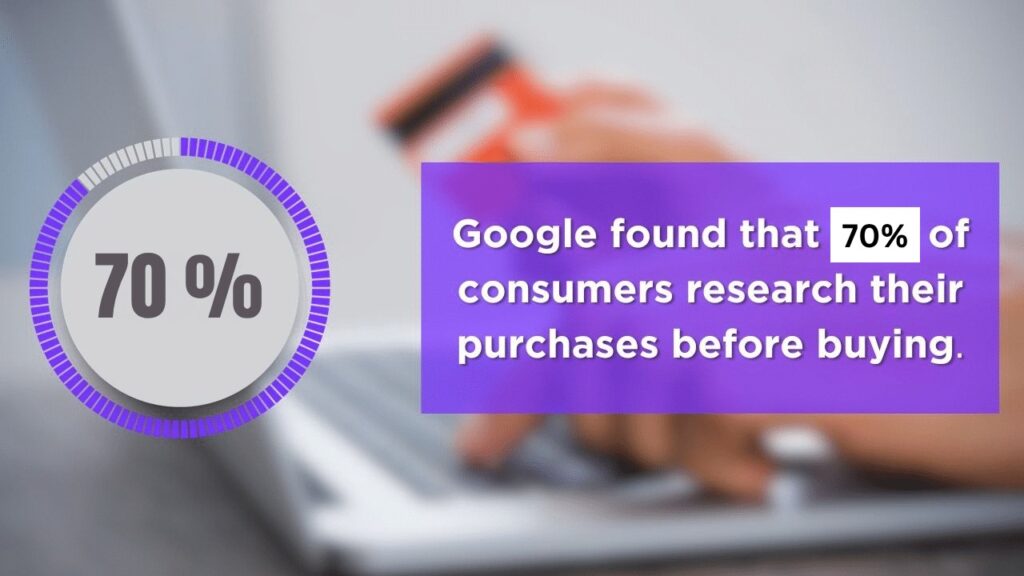
In addition, data from Statista shows that over 70% of UK consumers research online before making a purchase decision, even for local or offline services. This visibility is valuable. You are not waiting for users to discover you. You appear when they are already evaluating options.
Improving Return on Investment
Marketing budgets are limited. Precision matters. Intercept keywords help reduce wasted spend. Instead of targeting broad audiences, you focus on users closer to purchase decisions.
This often improves efficiency across channels, especially in:
- Paid search campaigns
- SaaS marketing
- E-commerce
- High-ticket services
Better intent usually means better returns.
Types of Intercept Keywords
Illustration showing intercept keywords funnel capturing high-intent traffic through comparison, alternative, and product searches, leading to increased conversions.
Competitor Brand Keywords
These searches include rival brand names. The user already knows the market. They want specifics.
Examples:
- “HubSpot pricing”
- “Salesforce reviews”
- “Shopify features”
This traffic is highly focused. Users compare value, cost, and experience. They are not exploring categories.
A strong competitive keyword strategy works well here. You can create comparison pages, review breakdowns, or targeted landing pages. Paid campaigns also play a role in a paid search intercept strategy. The goal is simple. Enter the decision space early.
Comparison Keywords
Comparison queries signal active evaluation. Users place options side by side.
Examples:
- “HubSpot vs Marketo”
- “Shopify vs WooCommerce”
- “Slack vs Microsoft Teams”
These searches often reflect uncertainty. Buyers weigh pros, cons, and pricing differences.
Content built for these terms should stay neutral, clear, and helpful. Aggressive selling rarely works. Honest comparisons build trust faster.
In search intent marketing, these keywords are valuable. They capture users while choices are still open.
Alternative and Substitute Keywords
Alternative searches reveal friction. Something is missing. Price, features, usability, or fit.
Examples:
- “Best alternative to Salesforce”
- “Cheaper than HubSpot”
- “Apps similar to Slack”
This behaviour shows dissatisfaction or constraint. Both increase openness to switching.
Brands that address pain points clearly often win here. Focus on differences that matter, not generic claims.
From a conversion-focused SEO view, these queries attract flexible buyers. They are ready to consider change.
Bottom-of-Funnel Purchase Keywords
These searches reflect direct action. The user is preparing to commit.
Examples:
- “Buy a Shopify plan”
- “CRM software free trial”
While not always competitor-driven, intent is strong. Timing becomes critical. Intercept keywords at this stage align closely with bottom-of-funnel keywords. Small visibility gains can produce measurable revenue impact.
How Intercept Keywords Fit into the Customer Journey
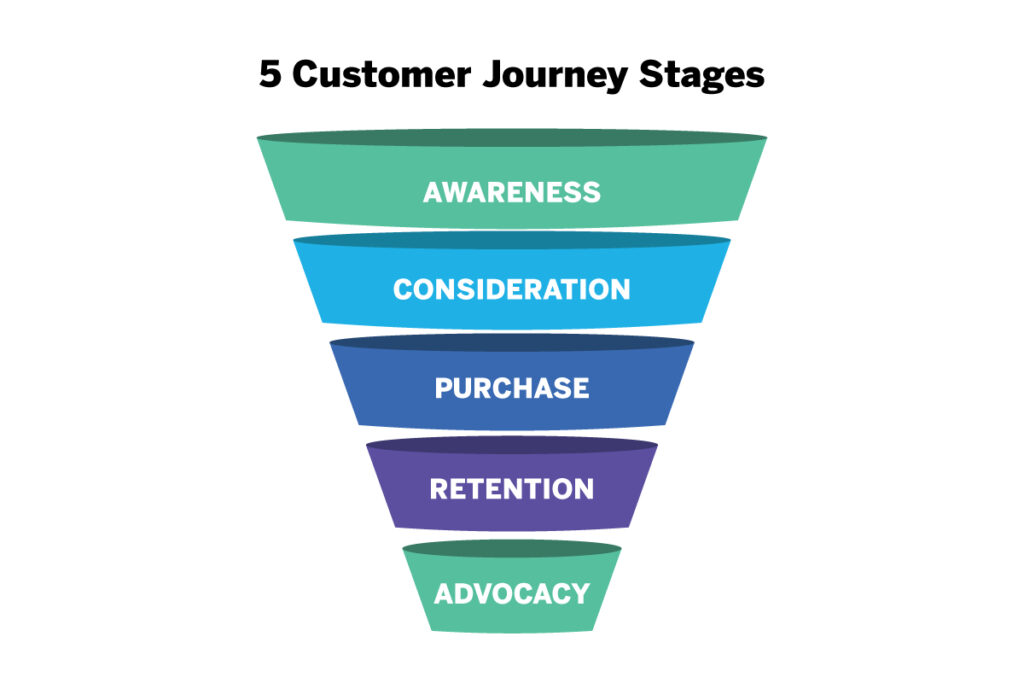
Awareness Stage vs Decision Stage
People search differently at each stage. Early on, they look for basic information. They want to understand the topic. They ask simple questions.
Later, their searches become more specific. The problem is already clear. Now they want reassurance.
Common decision-stage searches include:
- Comparing features
- Reading reviews
- Checking prices
- Looking for deals
- Exploring alternatives
This is where intercept keywords work best. They help your brand appear when users are close to choosing. Being visible at this stage can strongly influence the final decision.
Supporting Consideration and Conversion
Content for intercept searches should be clear and direct. Users are not looking for long explanations. They want quick answers.
Helpful pages often include:
- Simple comparisons
- Easy-to-read pricing
- Real customer feedback
- Clear differences
The goal is to remove doubt, make choices easier, and help users decide with confidence.
How to Find Effective Intercept Keywords
Analysing Competitor Brand Searches
Start with competitor names. Use keyword tools to see what people search for around those brands.
Look for patterns:
- Search volume
- Long-tail variations
- Comparison-related queries
For example, users may search “Ahrefs pricing” or “SEMrush vs Ahrefs.” These searches often signal active evaluation. The data shows where buyers are weighing options, not just browsing.
Reviewing Search Engine Results Pages (SERPs)
Search the terms yourself. Study what appears.
Pay attention to:
- Comparison articles
- Paid ads
- Review platforms
- Product pages
Each result reveals intent and competition. A page filled with comparisons suggests strong decision-stage activity. Heavy ads may indicate commercial value. SERP analysis helps you judge difficulty, content style, and positioning gaps.
Monitoring Customer Feedback and Queries
Real customer questions are a rich source of insight. Listen carefully to sales calls, emails, and chats.
Common examples include:
- “How are you different from HubSpot?”
- “Why choose you over Salesforce?”
These questions often mirror search behaviour. They highlight concerns, objections, and decision triggers. When multiple customers ask the same thing, a keyword opportunity usually exists.
Best Practices for Using Intercept Keywords
Create Honest and Transparent Comparison Content
Be clear and fair when discussing competitors. Overstated claims often push buyers away.
Good comparison content should:
- Show real differences
- Compare features in simple terms
- Explain pricing clearly
- List both strengths and limits
People trust what feels balanced. Clear facts help them decide faster.
Optimise for Conversion
Visitors from intercept searches are close to acting. Your page should make that easy.
Helpful additions include:
- Clear calls to action
- Free trials or demos
- Short success stories
- Genuine customer reviews
Keep the layout clean. Remove clutter. Make the next step obvious. Even small confusion can stop a conversion.
Combine Organic and Paid Strategies
SEO builds visibility over time. Paid ads deliver faster exposure. Using both creates better reach. Ads capture quick demand. SEO supports steady traffic. Together, they strengthen your overall results.
Risks and Ethical Considerations
Avoiding Misleading Claims
Honesty is critical when using intercept keywords. Inaccurate comparisons can damage your reputation.
Check every claim. Make sure features, pricing, and details are correct. Missing or outdated information can easily mislead readers. Clear facts build trust. Misleading content does the opposite. Once trust is lost, it is hard to win back.
Understanding Brand and Legal Boundaries
Competitor targeting requires care. Rules differ across advertising platforms.
Some allow bidding on competitor keywords but limit how brand names appear in ads. Others have strict trademark policies. Ignoring these guidelines can cause ad rejection or account issues.
A safer approach focuses on your strengths. Highlight real differences. Avoid negative attacks. Respectful marketing builds credibility. Aggressive tactics often create problems.
Measuring the Impact of Intercept Keywords
Key Metrics to Track
Performance data reveals whether your intercept strategy is working. Focus on indicators tied to real outcomes, not just traffic.
Important metrics include:
- Conversion rate
- Cost per acquisition
- Click-through rate
- Time on page
- Assisted conversions
Each signal tells a different story. A strong click-through rate suggests relevant targeting. Higher time on page may indicate deeper engagement. Conversion rate shows the true business impact.
When intent is high, results should reflect it. Weak performance often points to messaging gaps, unclear offers, or poor page structure. Numbers highlight friction that may not be obvious at first glance.
Testing and Refinement
Optimisation is an ongoing process. Small adjustments can produce meaningful gains.
Useful A/B testing areas include:
- Headlines
- Comparison layouts
- Call-to-action placement
- Pricing presentation
Different users respond to different triggers. Testing helps identify what reduces hesitation and encourages action.
Steady refinement improves efficiency. Over time, even modest improvements can compound into significant growth.
Conclusion
Search marketing is getting tougher with more competition and more costs.
Intercept keywords help you stay ahead. They focus on people who are close to making a decision. These users are not just browsing. They are ready to choose.
This strategy is not about clever tricks. It is about being visible at the right moment. When done properly, the impact can be strong. It results in better leads, higher conversions, and smarter use of budget.
If you want a more focused approach, Midland Marketing can help you find and use intercept keywords to turn search intent into real results.
Frequently Asked Questions
What are intercept keywords?
Intercept keywords are search terms that target users who are close to choosing a product or service.
Are intercept keywords only for large companies?
No. Businesses of any size can benefit, especially when targeting focused, high-intent searches.
Do intercept keywords guarantee conversions?
No strategy guarantees results. However, these keywords often attract visitors with stronger intent.
Can intercept keywords work with SEO?
Yes. Comparison pages, alternative content, and targeted landing pages often perform well in organic search.
Should I use paid ads with intercept keywords?
Paid ads can deliver faster visibility. Many businesses combine ads and SEO for better coverage.