


Introduction
Let us be honest. You built a website. You wrote the content. Maybe you even rank for a few terms. That is a solid start. But the real question is this. Is anyone actually finding you?
The internet is enormous. Every second, new pages go live. They all compete for the same attention. In that chaos, how do you know if your site is gaining ground or quietly sinking?
Publishing more content is not the answer. Not by itself. What you need is clarity. It is important to assess what is effective and what needs to change.
That clarity comes from keyword monitoring. It is not glamorous work. Nobody frames their rank tracker. But here is the reality. It replaces guesswork with real data. It tells you when to push harder and when to change direction. Keyword monitoring shows you where you stand today. More importantly, it shows you where to go next.
Table of Contents
What Is Keyword Monitoring?
Definition of Keyword Monitoring
So, what are we actually talking about here? Keyword monitoring is the practice of consistently tracking where your target search terms appear in search engine results over days, weeks, and months. It’s the difference between planting a garden and actually checking to see if anything grew.
People often bundle this up with keyword research. They’re related, sure. But they’re not the same thing.
- Keyword research is the discovery phase. You’re hunting for terms, analysing volume, and deciding what to target.
- Keyword monitoring is the measurement phase. You’re watching those chosen terms to see if your strategy is paying off.
One is the plan. The other is the proof.
How Keyword Rankings Work in Search Engines
Before you can track rankings, it helps to understand why they move around so much. Because they do move. Constantly.
Search engines use algorithms, complex systems of rules, to decide which pages deserve which spots, and understanding how Google Search works helps explain these ranking decisions. When someone types in a query, Google scans its index and ranks results based on relevance, authority, and user experience.
Your position in the SERPs isn’t a trophy you win forever. It’s more like a rented apartment. You have to keep paying the rent in the form of fresh content, technical maintenance, and backlinks. Miss a payment? The landlord, Google, will find someone else.
Factors that shift rankings include:
- Competitor activity: Someone publishes a better, deeper guide.
- Content quality: Your page gets stale. Stats date. Examples age.
- Algorithm updates: Google tweaks what it values. Overnight, yesterday’s winning formula stops working.
Why Keyword Monitoring Is Ongoing, Not One-Time
Here’s where people slip up. They check rankings once, feel good about it, and move on. Three months later, traffic has dried up, and they have no idea why.
Search results aren’t static. They’re alive. They breathe.
- Algorithm updates roll out constantly. Some are minor. Some rewrite the rules entirely.
- Competitors don’t sleep. They’re optimising, building links, stealing snippets.
- User behaviour shifts. What people searched for in January might be irrelevant by June.
If you’re not watching, you’re flying blind. Monitoring isn’t a one-off task. It’s the routine maintenance that keeps your visibility from crumbling.
Why Keyword Monitoring Is Critical for Online Presence
Tracks SEO Progress Accurately
Here is something people rarely admit. Feeling busy and making progress are not the same thing.
You publish blog posts. You update old pages. You chase a few links here and there. It all feels productive. Like things are moving. But motion is not always the same as forward motion.
Rankings cut through that noise. They give you a straight answer. Are you climbing or just spinning? When those numbers go up, you know your work landed right. When they sit still or drop, something needs attention. Maybe the content missed the mark. Maybe the competition pulled ahead. Either way, the data does not lie. It tells you where things stand.
Detects Ranking Drops Early
Bad news travels fast online. But it rarely sends a warning first.
One day, you check your traffic. It is down thirty per cent. No email. No alert. Just a number that used to be higher. That is how it goes. You scramble to find out why.
Monitoring changes in that dynamic. It acts like an early warning system. A sudden drop usually points to something specific. Maybe the pages stopped loading correctly. Maybe search engines cannot crawl your site like they used to. Maybe your content grew stale while competitors updated theirs. Sometimes a core algorithm shift moves through and catches everyone off guard.
Spotting these things early matters. It gives you room to respond. To fix what broke before the damage spreads too far. Without monitoring, you just wait until things hurt.
Identifies Growth Opportunities
Sometimes the data surprises you. A page you barely touched sits on page two. It ranks for a term you never chased. That is not random luck. That is, demand finds you anyway. Search engines already see some value there. They trust you a little on that topic.
Those moments are gifts. You have a foothold. A foundation to build on. Add better content. Strengthen the internal links. Answer questions that the current top pages miss. Small moves can push that page onto page one. But you cannot act on what you never notice. Monitoring pulls these hidden chances into view.
Supports Data-Driven Decision Making
Should you write another post? Should you redo your services page? Hard to know without evidence.
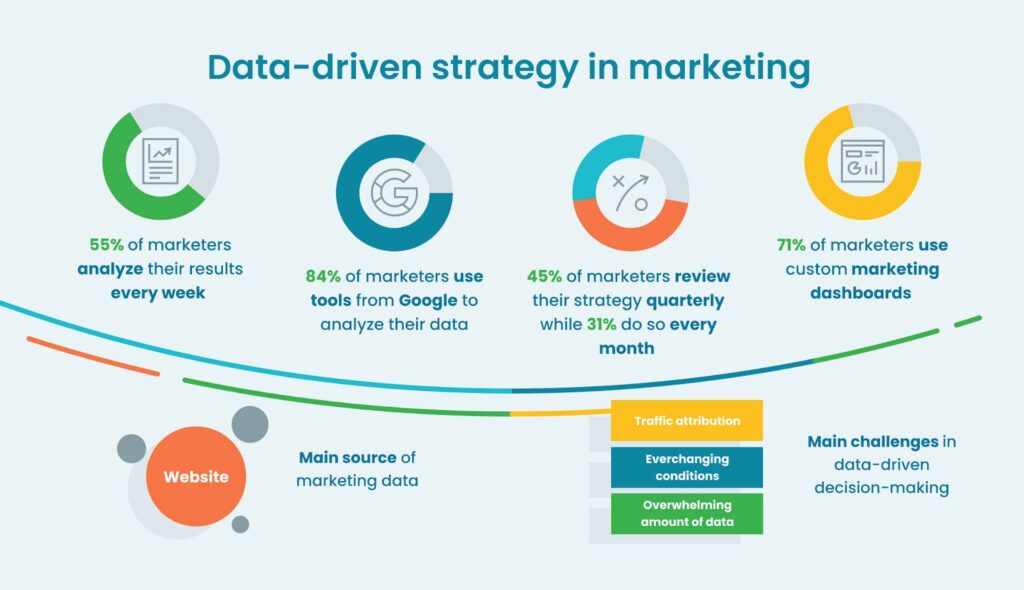
Plenty of people guess. They go with gut feelings. Sometimes that works. Often it does not. Monitoring replaces hunches with something steadier. Proof. You see exactly which pages pull weight and which ones just sit there.
That clarity changes how you plan. You stop asking what you feel like writing. You start asking what the data says people actually want. It is a small shift. But it makes the strategy simpler. Cleaner. More likely to work.
How Keyword Monitoring Improves SEO Performance
Optimising Underperforming Pages
You work hard on a page. You hit publish. Then nothing happens. It sits there. Page two. Position 11. So close to the first page, you can taste it. But close does not send traffic your way. Close just teases you. This is where monitoring earns its keep. When you track your keywords, those stuck pages stop being invisible. They show up in your reports. They wave their hands and ask for help. And once you see them, you can actually do something about it.
Start with the content. Does it cover the topic well? Or did you rush through it? Look at the pages ranking above you. What do they have that you lack? Maybe they will answer more questions. Maybe their examples are newer. Add those missing pieces. Build something better.
Next, look inside your own site. Do other pages point to this one? They should. Internal links act like recommendations. They tell search engines this page matters. Find your strongest content and link from there to the underperformer. It is a simple push that often works.
Then check the basics. The title. The headers. The meta description. Are they clear? Do they match what people actually search for? Small tweaks here can shift the needle.
None of these moves is dramatic on its own. But together? They add up. A page stuck on page two can climb. It happens all the time. The difference is simple. You cannot fix what you do not see. Monitoring pulls those hidden pages into the light. Then the real work begins.
Capitalising on High-Ranking Keywords
When a keyword breaks into the top five positions, your job changes. You’re no longer fighting for visibility. You’re fighting for clicks.
This is where optimisation shifts:
- Enhance CTR: Write meta descriptions that demand attention. Test different angles.
- Add structured content: FAQs, bullet points, tables, formats that grab featured snippets.
- Update regularly: Keep content fresh to maintain position.
Ranking high is an opportunity. Squeeze it for everything it’s worth.
Aligning Content with Search Intent
Sometimes rankings drop not because your content is bad, but because it’s wrong for the query.
Let’s say you’re selling project management software. Someone searches “best project management tools for remote teams.” They want a comparison guide, not a pricing page. If your content doesn’t match that intent, Google notices. Rankings slip.
Monitoring reveals these mismatches. When you spot a decline, ask yourself: Does this page actually answer what people are looking for? If not, realign it.
Key Metrics to Track in Keyword Monitoring
Keyword Ranking Position
Where you sit on the search page matters. It matters a lot. The top three spots grab most of the clicks. People trust what they see first. They scroll past the rest. If you are in positions four through ten, you are still in the game. But you are fighting for scraps. And page two? That is a hard place to be. Most people never make it that far.
Tracking your position tells you where you stand. It shows you which pages are winning and which ones need help. Maybe you have a handful of terms in the top three. That is great. Protect those. Maybe others sit in position nine. Those are opportunities. A little work might push them higher.
Do not just watch the top spots. Watch the edges too. Page two is where hidden potential lives. You cannot act on what you do not measure. So measure everything.
Search Volume Trends
Here is something people miss. Rankings mean nothing if nobody searches. A term can lose volume over time. Interests shift. Seasons change. New trends replace old ones. If you do not watch for that, you might pour energy into something that no longer matters.
Monitoring volume keeps you honest. It tells you when a term is rising. Jump on those early. It also tells you when a term is fading. Maybe it is time to shift focus. Let the old ones go. Put energy where demand actually lives.
Volume trends are like wind direction. They show you which way things move. Follow the wind.
Click-Through Rate (CTR)
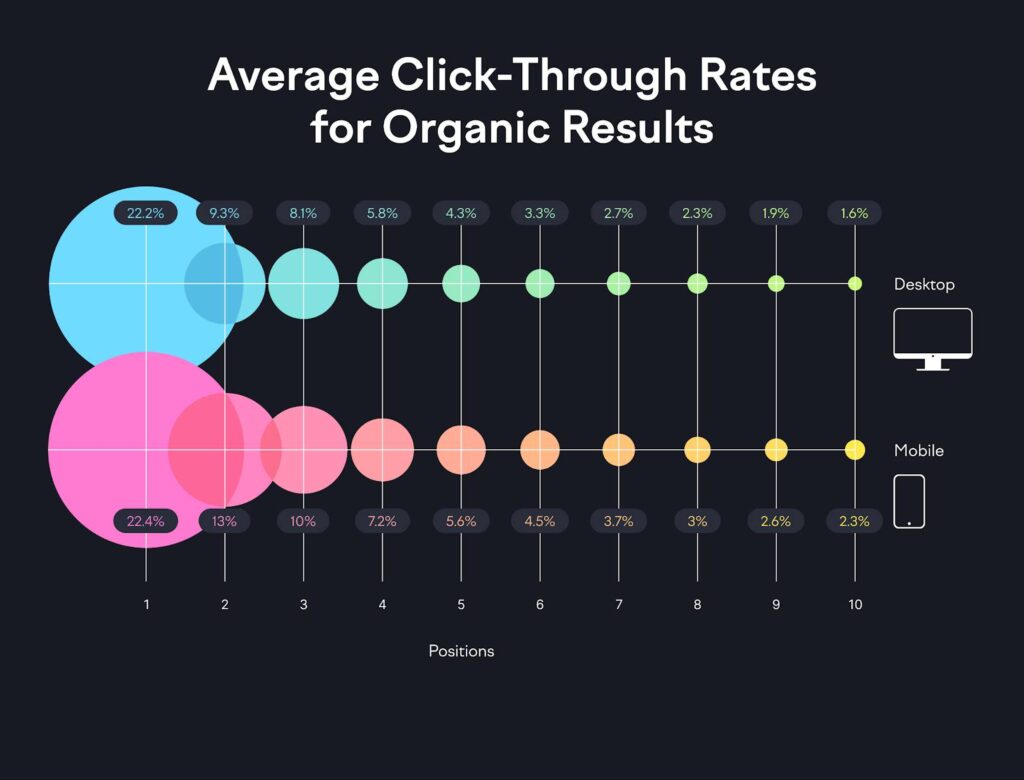
Ranking first feels good. It really does. But here is the thing. It does not guarantee clicks. Sometimes people see your title and keep scrolling. Maybe it did not grab them. Maybe the meta description sounded boring. Maybe a featured box stole all the attention. Whatever the reason, low clicks mean something is off.
CTR measures that gap. It compares how many people saw you with how many actually visited. If impressions are deep but clicks are low, your listing needs work. Test new titles. Write better descriptions. Ask yourself what would make you click. Rankings are just the start. Clicks are the real win.
Organic Traffic Impact
Rankings should lead to visitors. That is the whole point. When a keyword climbs, traffic should climb too. If it does not, something is wrong. Maybe the search result changed. Maybe a video pack pushed you down the page. Maybe your snippet got lost in the noise.
Watch the connection between rank and traffic. They should move together. If they do not, dig deeper. Find the gap. Fix it. Because rankings without traffic are just decoration. You need people walking through the door.
Conversion Performance
Now we get to the heart of it. Traffic is nice. But traffic alone does not pay the bills. What matters is what people do when they arrive. Do they buy something? Fill out a form? Call a number? If not, your rankings are not working hard enough.
Some keywords attract lookers. Others attract buyers. You need to know the difference. Track which terms bring in real results. Not just visitors. But people who take action.
This is where SEO meets business. Rankings are a tool. Conversions are the goal. Tie your monitoring back to revenue. Show that your efforts actually matter. That is how you prove value. That is how you build something that lasts.
Tools Used for Keyword Monitoring
You don’t need a dozen tools to monitor effectively. A few good ones do the job.
Google Search Console
Free. Essential. Non-negotiable. The Performance report shows exactly which queries trigger your site, your average position, and your CTR. It’s raw data straight from Google. No fluff. No guesswork.
Dedicated Rank Tracking Tools
For deeper insight, tools like Ahrefs, Semrush, or AccuRanker fill the gaps. They offer:
- Daily updates: See movement in real time.
- Competitor comparison: Peek at what others are doing.
- Location-based tracking: See results for specific cities or regions.
These tools automate the heavy lifting so you can focus on strategy.
Manual SERP Analysis
Tools are great. But they miss context. Open an incognito window. Search for your terms. Look at what actually appears. Are there video packs? “People also ask” boxes? Local listings? Those features push organic results down. Manual checks reveal the full picture.
Competitor Keyword Monitoring
Why Tracking Competitor Keywords Matters
If a competitor jumps ahead of you for a valuable term, you need to know why. Did they publish a massive guide? Land a major backlink? Update old content?
Monitoring competitors isn’t about copying. It’s about understanding the battlefield.
Identifying Keyword Gaps
Here’s where you find opportunity. Look at keywords your competitors rank for that you don’t. Those gaps represent audience segments you’re ignoring. Write content for those terms. Steal market share.
Benchmarking Against Industry Leaders
You might be growing. But are you growing fast enough to catch the leaders? Benchmarking your visibility against top competitors sets realistic goals. It measures progress in context, not isolation.
Common Mistakes in Keyword Monitoring
Even experienced teams slip up. Avoid these pitfalls.
Tracking Too Many Irrelevant Keywords
Volume is tempting. But tracking hundreds of irrelevant terms just creates noise. Focus on keywords that actually drive business.
Ignoring Ranking Volatility
Rankings bounce. Daily fluctuations mean nothing. Weekly trends? Those matters. Don’t panic over a one-day dip. Watch the long arc.
Focusing Only on Rankings, Not Traffic
Ranking number one for a term nobody searches is a hollow victory. Traffic matters more than position. Keep perspective.
Not Monitoring Local vs Global Results
If you’re a bakery in Birmingham, ranking in London is useless. Track locally. Geography changes everything.
Creating an Effective Keyword Monitoring Strategy
Selecting the Right Keywords to Track
Categorise your tracked terms:
- Primary keywords: High-volume, core business terms.
- Secondary keywords: Longer tail, more specific terms.
- Branded vs non-branded: Separate searches for your name from searches for solutions.
Setting Realistic Benchmarks
Where are you today? That’s your baseline. If you’re on page three, aiming for number one next week is fantasy. Aim for page two. Then the bottom of page one. Small wins compound.
Establishing Reporting Frequency
How often depends on your goals:
- Weekly: For active campaigns, new launches, and competitive niches.
- Monthly: For stable sites with slower movement.
Consistency beats intensity. Regular check-ins reveal patterns.
Integrating Monitoring with Content Updates
Monitoring should feed directly into your content calendar. Spot a declining trend? Schedule an update. Identify a rising opportunity? Assign a writer. Let data drive action.
How Keyword Monitoring Transforms Online Visibility
Improves Search Visibility Score
Think about how people find things in a city. The shops on the main street get all the foot traffic. The ones tucked away in alleys stay quiet. Nobody walks past if they do not know the alley exists.
Search visibility works the same way. When your pages rank higher, more people see them. They do not have to dig. They do not have to click through five results. You are just there. In front of them.
Every time a page moves up, your presence grows a little. One page climbing might not shift much. But when multiple pages gain ground, something changes. Search engines start treating your site differently. You look more like an authority. Less like just another domain trying to get noticed.
This does not happen by accident. It comes from small wins piling up. Better content. Stronger links. Smarter structure. Monitoring tracks those wins. It shows you which pages move and which ones stall. Without that view, you never really know if you are building something or just standing in place.
Strengthens Content Strategy
There is a trap people fall into with content. They write what they want to say. Not what people actually look for. That gap costs them.
Monitoring fixes that. It shows you the terms gaining traction. The questions people type into search bars. The topics they care about right now. Maybe a phrase you never considered starts showing up in your data. Maybe another term you worked hard on starts fading. Both tell you something useful.
When you see a new question gaining volume, you have a choice. Ignore it or write about it. The smart move is to write. Not because you planned it months ago. But because the data says people want it now.
That approach is not guessing. It is listening. And when you create content based on what people actually seek, it performs better. It ranks faster. It stays useful longer. Monitoring turns writing from a gamble into something steadier. Something you can trust.
Enhances Brand Authority
Trust works differently online than it does in person. You never meet your audience. You never shake their hand. They just see your name. Again and again.
Over time, that repetition builds something. Recognition turns into familiarity. Familiarity turns into trust. When someone searches for a problem, and your page shows up, they notice. Maybe not the first time. Maybe not the second. But eventually, they remember. Your name sticks.
That is brand authority. It is not about being the loudest voice. It is about being present when people need answers. Monitoring helps you stay present. It catches you when rankings slip. It keeps your name visible. Month after month, that consistent presence adds up. People start to know you. And knowing you makes them more likely to choose you.
Drives Sustainable Organic Growth
Quick wins feel good. Everyone likes a sudden jump in traffic or a spike in rankings. That rush is real. But quick wins rarely stick around.
Google updates roll through. Competitors fight back. What worked last month might not work next month. Sustainable growth is different. It moves more slowly. It does not make headlines. But it lasts.
When you monitor keywords consistently, you build habits that hold up. You spot small problems before they turn into big ones. You notice chances early and act on them. You stop reacting to every shift and start moving with more purpose.
That steady approach pays off over time. Not with one big spike. But with quiet, continuous growth. Month after month. Year after year. Monitoring does more than show you numbers. It shows you the path forward. And that kind of direction is worth more than any temporary win.
Conclusion
None of this matters if the data just sits there. Keyword monitoring isn’t about collecting numbers. It’s about knowing when to move. Maybe a piece of content is slipping. Maybe a competitor just made a play for your best term. Maybe there’s an opportunity hiding in plain sight, waiting for someone to notice.
The difference between businesses that grow online and those that stagnate? It’s not the budget. It’s not even talent. It’s attention. Paying attention to what the data says. Acting before the window closes.
If you’re tired of guessing and ready for clarity, let’s talk. Contact us at Midland Marketing. We’ll help you track what matters, fix what’s broken, and build visibility that actually lasts.
Frequently Asked Questions
In simple terms, what does keyword monitoring tell me?
It reveals which pages gain ground and which ones lose traction over time.
How frequently should someone look at their ranking data?
A weekly check catches shifts early without becoming overwhelming.
Is it possible to track rankings without paying for software?
Google Search Console offers solid data and costs absolutely nothing.
What causes rankings to fall when I haven’t changed anything?
Sometimes competitors publish fresher content. Other times, Google updates things.
If my page sits at number one, do clicks automatically follow?
Not always. People glance past results or click on featured boxes instead.