

Introduction
Let’s be honest. Bigger looks better on TikTok. A celeb with millions of followers posts. The sales must flood in, right? Not always. Many UK brands get better returns going small. Really small. Nano-influencers film from their sofa. They have 2,000 followers and a tight community. The nano vs mega influencer ROI question is more than a trend. It can make or break your campaign. Want to know which UK influencer tiers give real bang for your buck? You are in the right place.
Table of Contents
Understanding Influencer Tiers: From Nano to Mega
Before you work out your return, know the players. UK influencer tiers have no official rules. Agencies split creators into five groups by follower count. The audience behaviour, though, changes a lot.
What Exactly Is a Nano-Influencer?
Nano-influencers have 1,000 to 10,000 followers. Think of a local baker sharing sourdough tips. A Cornish surfer testing eco wetsuits. A Manchester mum chatting about honest baby products. Their crowd is small and super engaged. They often share a passion or a postcode. They feel like a friend, not a TV presenter.
What Defines a Mega-Influencer?
Mega-influencers sit at the top. They usually have over a million followers. Love Island stars. Premier League footballers. Top musicians. Global beauty gurus. Their feed is polished. Their reach is huge. A single Instagram Story can cost over £10,000. They bring fame and a prime-time spotlight.
Breaking Down the ROI: Where Nano and Mega Excel
When you first check the nano vs mega influencer ROI numbers, they can be misleading. Mega gives you massive reach. Nano gives you real chats. Both help, but in different ways. Let’s dig into what actually hits your bottom line.
Engagement Rates: Nano’s Secret Weapon
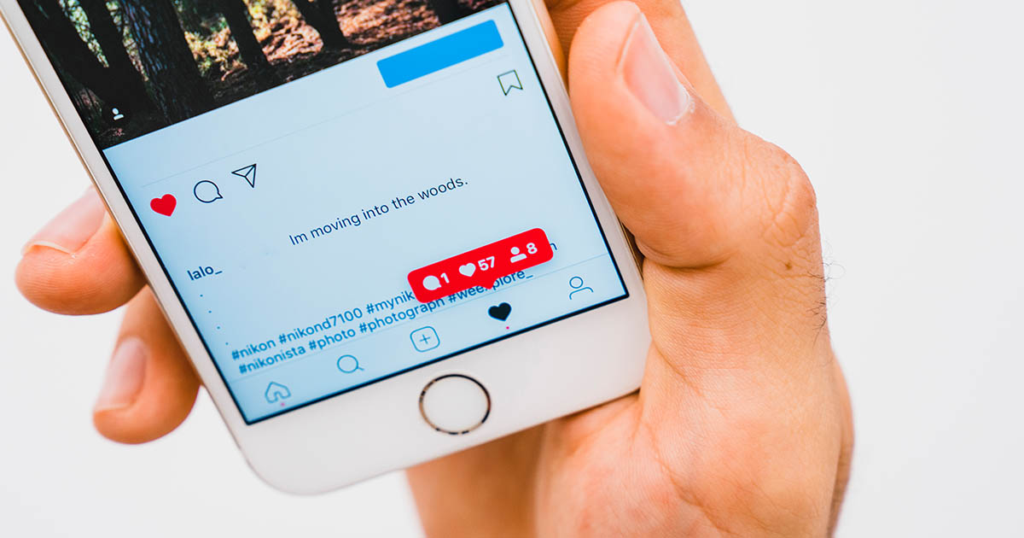
Here is a stat that wakes up UK marketing bosses. Mega-influencers get about 1–1.5% engagement. A good nano-influencer often gets 6% to 10%. A UK report found nano creators with under 5k followers hit double digits on Reels. Why? Their comments are not full of bots. Each like comes from a person who trusts them. For a British skincare startup, that means 500 people asking where to buy. Not 50,000 who scrolled past.
Reach and Brand Awareness: The Mega Advantage
Mega-influencers still win on raw visibility. Need to show a new drink to two million young people fast? A mega creator does it in a day. The halo effect helps too. Standing next to a famous face boosts your brand’s trust. But you pay a lot for that. And tracking sales lift is tricky. Here the nano vs mega influencer ROI choice becomes a strategy question. Not a simple sum.
Cost-Effectiveness and Authenticity
One mega post can buy you 25, 40 or even 80 nano partners. That creates a wave of community proof. Picture 80 people across the UK casually praising your oat milk. Or your camping stove. It feels like word of mouth, not an ad. British shoppers doubt polished ads now. That real feel often converts at a lower cost per sale.
The UK Market Reality: Which Tier Delivers Better ROI?
So, what does the nano vs mega influencer ROI data show here? Budgets are shifting for a reason. A 2024 survey of 300 UK brand managers found something clear. 68% said nano and micro creators gave “better or equal” ROI. Lower fees and higher conversion rates drove this. Yet it is not always clear-cut.
Case Study: A UK Beauty Brand’s Nano Success
A vegan beauty brand from Brighton tested a £3,000 campaign. They split it between two mega-influencers and 40 nano creators. The mega posts got 220,000 impressions. Many comments said, “stunning”. Tracked sales with codes hit just £4,100. The 40 nanos, each with fewer than 8,000 followers, generated 19,000 engagements. They drove 460 sales in the first week. The return on ad spend was much healthier. Plus, the brand reused the nano content. It went on socials and in emails for six months. Nanos paid for themselves three times over.
When Mega Moves the Needle: UK Fashion Retailer Example
A big UK high-street retailer saw a different story. They launched a size-inclusive denim line. One mega influencer with 1.8 million followers posted a carousel. Organic search traffic jumped 14% in two days. The £25,000 fee was covered. A £190,000 sales spike did that. Press coverage followed too. Nano could not have sparked that. For a wide national launch, mega reach still packs a punch.
How to Pick the Right Tier for Your Campaign Goals
The answer to the nano vs mega debate is not one-size-fits-all. It depends on your goal, your market, and how you measure return.
Campaign Objective Match: Awareness vs. Conversions
Want awareness? A mega-influencer can compress months of work into a week. Need conversions for a niche product? Think gluten-free baking kits or sustainable nappies. Nano creators will give you a lower cost per click. They bring warmer customers too. Many smart UK brands mix both. One or two mega posts for trust. Add a broad nano base for steady sales.
Budget Considerations in the UK Market
If your monthly budget is under £5,000, mega is likely out of reach. You would need to gift and hope. With a small pot, pick good nano creators across relevant UK influencer tiers. You get multiple chances and a content library. With over £20,000, a blend of tiers makes sense.
Measuring ROI: Key Metrics for Nano and Mega Campaigns
For any UK influencer tiers you use, you need a consistent way to judge success. For nano campaigns, watch unique code use and affiliate clicks. Track DMs asking “where to buy”. Count the user content you can reuse. For mega campaigns, check branded search lift and follower spikes. Look at site traffic on posting day. Watch comment sentiment too. Never compare a mega post’s impressions to a nano’s engagement rate. They measure different kinds of value.
Final Verdict: Nano or Mega for Your Brand?
For most UK brands, the nano vs mega influencer ROI calculation leans towards smaller creators. They give you trust, word-of-mouth, and real sales at a lower cost. Mega-influencers work well for pure awareness. They earn their keep when the goal is big reach and the budget can absorb the investment.
My advice? Start with nanos. Build a revenue engine. Gather real social proof. Once that base is solid and you need a mainstream push, then bring in the mega firepower. The right mix depends on your audience, goals and budget.
If you are unsure which influencer tier best fits your brand, Midland Marketing can help you develop a strategy aligned with your goals and budget. Get in touch with Midland Marketing to discuss your next influencer campaign and find an approach that delivers measurable results.
Frequently Asked Questions
- Which has better ROI, nano or mega influencers?
For many UK brands, nano-influencers can deliver better ROI because they typically cost less and often have stronger engagement and closer relationships with their audiences. Mega-influencers are more effective when the main goal is large-scale brand awareness and rapid reach. The better option depends on campaign objectives, budget and how ROI is measured.
- Are nano-influencers more effective than mega-influencers for sales?
Nano-influencers can be highly effective for driving sales, particularly for niche products and targeted campaigns. Their smaller, engaged communities can make recommendations feel more personal and trustworthy. Mega-influencers can also generate sales, but their main advantage is reaching a much larger audience quickly.
- How much do nano and mega influencers cost in the UK?
Nano-influencers generally charge considerably less than mega-influencers, with some campaigns involving gifted products, affiliate arrangements or relatively modest fees. Mega-influencer campaigns can cost thousands or tens of thousands of pounds depending on the creator, platform, content format and usage rights. Rates vary significantly, so brands should compare the expected cost against measurable campaign outcomes.
- When should a UK brand choose a nano-influencer over a mega-influencer?
A UK brand should consider nano-influencers when it wants to reach a specific niche, generate engagement, build trust or drive measurable conversions on a limited budget. Mega-influencers are usually better suited to campaigns where national visibility, rapid reach or broad brand awareness is the priority.
- Can brands use nano and mega influencers in the same campaign?
Yes. Combining nano and mega-influencers can give a campaign both broad reach and targeted engagement. A mega-influencer can create initial awareness, while nano-influencers can reinforce the campaign through authentic recommendations, community conversations and conversion-focused content. This combination can be particularly useful for UK brands with larger influencer marketing budgets.

Written by - Lauren Davison
Introducing Lauren – one of our content writers who has a flair for SEO and creative strategy!
With a Master’s Degree in Creative Writing, Lauren has niched down into SEO and content writing.
Outside of work, she loves watching the darts, reading and the pub on the weekend.
Want some more?
Latest Insights & News
Voice Search SEO 2026: Why 40% of Queries Now Have No Keywords
Introduction “No keywords” doesn’t mean people have stopped searching for things. It means they’ve stopped typing fragments and started asking full questions out loud. Where
How Are ChatGPT & Perplexity Changing SEO Through AI Search Optimisation?
Introduction Search behaviour has started to shift beneath the surface of traditional SEO. Instead of opening several Google results, users can now describe a problem
Why Basic Templates Can Limit Local Lead Generation
Introduction A website can look neat and still miss the people most likely to buy. This is a common issue for a growing firm. A