


Introduction
Business buyers are busy. They do not have spare time. They skip fluff quickly. Clever lines do not impress them. They want clear answers. They expect real solutions. Your B2B writing must respect that.
This is very different from consumer writing. Buying decisions carry risk. Money, reputation, and results are involved. If your message feels weak, they leave. If it feels useful, they stay. Trust begins there.
Good content starts conversations. Conversations open doors. And sometimes, they lead to long business partnerships.
Table of Contents
What Makes B2B Writing Different from B2C?
You can’t write for a business the same way you write for a teenager buying sneakers. The rules are completely different. The stakes are higher. The wallets are deeper, but they are also much harder to open.
Longer Sales Cycles
No one wakes up and impulsively buys a new CRM system or a piece of manufacturing equipment. These are big bets. Your writing needs to live across a timeline that might stretch for months.
Your content has to stay relevant. It needs to nurture a lead from the first moment they wonder, “Is there a better way to do this?” until the moment they officially sign the agreement. Each piece of content is a checkpoint, not the finish line.
Multiple Decision-Makers
Here is where it gets tricky. You aren’t writing to one person. You are writing to a committee.
- The CEO: They want to know how this helps the company grow or beat the competition.
- Procurement: They are looking at the price tag and the terms. They want to know what it costs and what the contract looks like.
- Finance: They need to see the ROI. How does this save money or make money?
- Operations: They have to use the thing. They care about whether it works with their current systems and if it’s easy to implement.
Your writing has to answer the questions for all of them in one go. That is a high bar.
Logic-Driven Decisions Over Emotion
Sure, a buyer might feel good about choosing a vendor they trust. But they have to justify that choice to their boss. Your writing needs to give them the ammunition to do that.
You have to show them the numbers. Demonstrate the return on investment. Prove that choosing you is the safe, smart, and profitable move. If your content is all feeling and no facts, it gets deleted.
Tactic 1 – Understand the Real Business Pain Points
Most B2B content fails because it talks about the solution before it understands the problem. You have to get into the weeds.
Go Beyond Surface-Level Problems
Every business has problems they don’t talk about at dinner parties. These are the things that keep the CFO up at night. You need to find those.
Don’t just say, “We help increase productivity.” That is a throwaway line. Dig deeper. Ask yourself what is causing the lack of productivity. Is it revenue leakage because of poor tracking?
Is it inefficient workflows that require three people to do a job one person should do?
Are there compliance risks that could lead to massive fines? Are they missing growth opportunities because their data is a mess?
When you write about those specific pains, the reader thinks, “Finally, someone who gets it.”
Use Industry-Specific Language
If you sell to manufacturers, you better know what “OEE” (Overall Equipment Effectiveness) means. If you sell security services, you need to talk about “threat vectors” correctly.
Using the right lingo shows you are a peer, not a salesperson. It builds credibility fast. When a CFO reads your blog and sees you understand the nuances of their industry, they trust you more.
Tactic 2 – Write for Decision-Makers, Not Just Readers
Not every reader can act. Decision-makers can. They carry responsibility. Their choices affect budgets, teams, and growth. They do not read for fun. They read to decide.
Your writing must respect that. It must feel useful. It must feel relevant.
Address Strategic Outcomes
Decision-makers face pressure daily. Results define their success. Your content must connect to those results.
Show how your solution improves profit. Show how it saves time. Show how it reduces business risk. Show how it helps them stay ahead. These outcomes matter. They shape real decisions. Clear value earns attention fast.
Include Data and Evidence
Claims alone are not enough. Decision-makers want proof. They trust facts more than promises.
Use case studies from real clients. Share numbers when possible. Mention measurable improvements. Even small data points help. Proof removes doubt. It builds confidence. It moves buyers closer to action.
Tactic 3 – Build Authority Through Thought Leadership
Anyone can write a blog post about a common problem. But to win big B2B deals, you need to be seen as more than a vendor. You need to be a trusted guide. That is where thought leadership comes in.
Offer Insights, Not Just Services
Stop writing content that only talks about your own products. It gets boring fast. Instead, share what you know about the industry itself. Talk about trends. Predict where things are heading. Explain why certain problems are happening.
When you do this, you position your brand in a different light:
- Not just a vendor, but an industry expert.
- Not just a supplier, but a problem solver.
- Not just a contractor, but a strategic partner.
Create High-Value Formats
Some topics need more than a 500-word blog post. To build serious authority, you need to invest in deeper formats. These show you have done the homework.
Think about creating:
- Whitepapers that explore a topic in depth.
- Original research reports with new data and findings.
- In-depth blog guides that serve as ultimate resources.
- Webinars where experts discuss complex issues.
This kind of content takes time to produce. But it pays off. It stays relevant longer. It supports long-term trust and gives your sales team something substantial to share.
Tactic 4 – Align Content With the Buyer Journey
You wouldn’t propose on a first date. So why would you send a “Request a Demo” page to someone who just learned they have a problem? You have to meet them where they are.
Awareness Stage Content
At the start, the buyer is trying to understand their pain.
- Write educational articles that define the problem.
- Create blogs that help them identify why things aren’t working.
- Share industry insights that show them what “good” looks like.
Consideration Stage Content
Now they know the problem, and they are looking for solutions.
- Write comparison guides that weigh different types of solutions against each other.
- Publish case studies that show how you solved it for someone else.
- Write solution-focused blogs that explain different approaches.
Decision Stage Content
They are ready to buy. They just need a final push to choose you.
- Make sure your product pages are clear and compelling.
- Create detailed ROI breakdowns or calculators.
- Optimise your demo landing pages. Make it easy to book a conversation.
- Feature testimonials from happy customers front and centre.
When you align your writing with the buyer’s mindset, conversions happen naturally.
Tactic 5 – Focus on Value, Not Features
Many companies make this mistake. They talk about features first. They list tools and functions. They sound proud. But buyers do not care yet. They care about outcomes. They care about their work. They care about results.
Features alone feel cold. Outcomes feel useful. That difference matters.
Translate Features into Outcomes
Always answer one question. So what does this change?
Do not say, “Our platform has automated reporting.” That sounds technical. It feels distant. Instead, explain the real benefit. Say it saves finance teams hours weekly. Say it removes manual effort. Say it frees time for planning.
Now the reader sees value. They imagine relief. They see an easier day. This builds interest quickly.
Highlight Business Impact
Business buyers think in results. They look at numbers. They look at risk. They look at growth.
Ask simple questions while writing. Does this reduce cost? Does this save time? Does this lower mistakes? Does this help growth?
Tie every benefit to business impact. Make it real. Make it clear. Buyers respond to outcomes. Not feature lists.
Tactic 6 – Optimise for SEO Without Losing Professional Tone
Writing great content is step one. Making sure people can find it is step two. SEO is not about tricking Google anymore. It is about being found for the right terms. But you have to do it without sounding like a robot.
Use Strategic Keywords Naturally
You have your keywords. Now you need to weave them into the text smoothly. It should feel effortless to the reader.
- Make sure your primary keyword appears in the H1 and early on.
- Use your secondary keywords in the H2s and H3s where they fit.
- Let the semantic keywords flow naturally in the sentences. They add depth and context.
Do not force it. If a keyword feels awkward, rephrase the sentence. Write for humans first. The search engines are smart enough to figure it out if the topic is clear.
Structure Content for Readability
A wall of text is intimidating. Busy professionals will not read it. They scan. They look for signposts. Your formatting needs to guide their eyes.
Use these tools to make your content inviting:
- Clear headings that break up the page and tell a story.
- Bullet points to list information quickly.
- Short paragraphs of 2-3 sentences max.
- Data highlights, like bold numbers, to catch the eye.
Good structure is not just about looks. It is about respect for the reader’s time. It makes your professional tone easier to digest.
Tactic 7 – Include Clear, Strategic CTAs
You informed them. You convinced them. Now what? Never leave them hanging. Tell them the next move. A good CTA is not pushy. It is helpful.
Guide the Reader to the Next Step
Your CTA should be direct. Use action words that say exactly what happens.
Try these:
- Schedule a consultation with our team.
- Download the full guide for more depth.
- Request a demo to see it live.
- Speak to an expert about your situation.
Make it easy for them to raise a hand.
Match CTA to Buyer Stage
Not everyone is ready to talk sales. If they are early stage, asking for a demo feels too heavy. They will bounce. Match your ask to their mindset.
- For someone reading an early educational blog, offer a related guide or template. Low pressure. Stays connected.
- For someone on a case study or comparison page, they are thinking harder. A CTA to contact sales or see a demo feels right.
Think of your CTA as a helpful nudge. It moves them forward without force.
Common B2B Writing Mistakes to Avoid
Even good writers slip up. Knowing what to skip helps a lot.
Being Too Generic
Vague claims kill trust fast. Saying “we are industry leaders” means zero without proof. Saying “we offer great service” is empty.
Always back claims with specifics. If you lead, show awards or market share. If service is strong, show a testimonial or case study. Specifics build trust. Generic claims build suspicion.
Overloading With Jargon
There is a line between using industry terms and drowning in buzzwords. The right terms show you belong. Too many make you sound like you are hiding.
Write to be understood, not to impress. If your mom would not get a sentence, it is probably too complex. Clarity wins every time.
Ignoring SEO
You wrote something great. No one reads it because it sits on page ten of Google. Waste of good work.
Always do basic SEO. Research the terms your buyers use. Use them in headings and body. Write meta descriptions. Help search engines understand your page.
Writing Without a Strategy
Creating content just to fill a calendar is pointless. Every piece should have a job. Ask before you write: What is this for?
Your content should ladder up to bigger goals:
- Generating leads.
- Helping sales close deals.
- Building authority.
If it serves no purpose, skip it.
Measuring B2B Writing Success
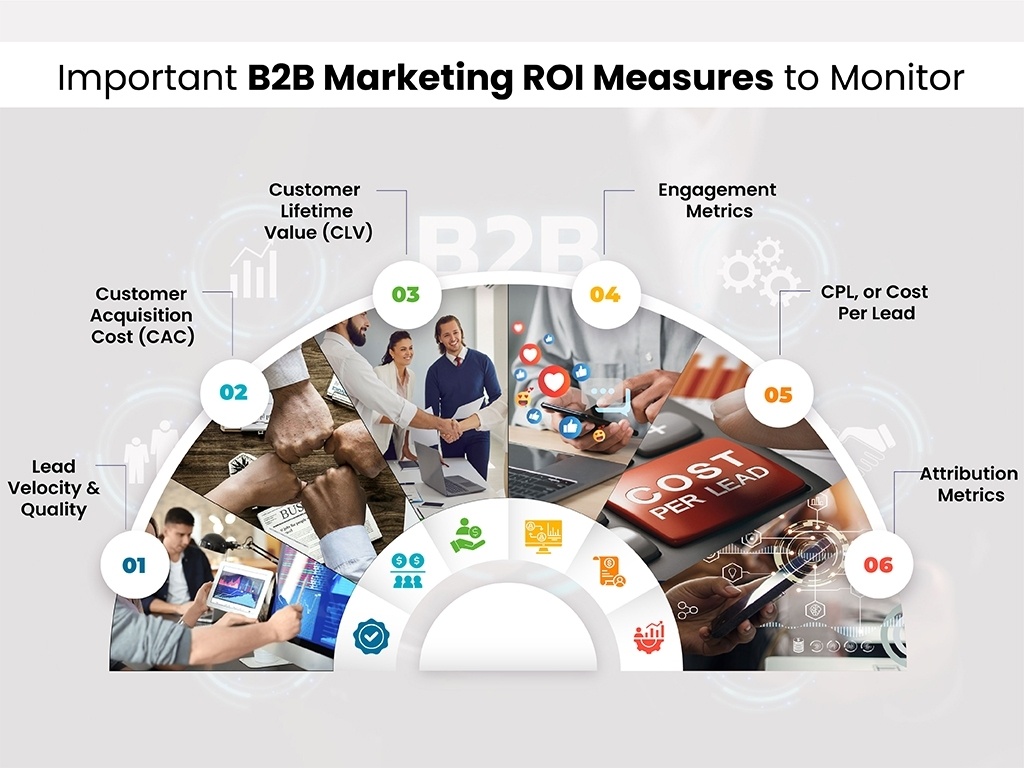
How do you know if your writing works? Not always about big numbers. Look at the right metrics. The ones tied to real impact.
Lead Quality Over Traffic Volume
Getting 10,000 visitors is nice. If none are your target, it is empty. Focus on who comes.
Watch metrics that show intent:
- How many qualified leads filled out forms?
- How many requested a demo?
- Are sales conversations starting?
A smaller, targeted crowd beats a big, uninterested one every time.
Engagement Metrics
If people land and leave in five seconds, your content misses. See if they actually read.
Track:
- Time on page. Are they sticking?
- Scroll depth. Do they reach the end?
- Downloads. Are offers getting grabbed?
- Conversion rates. Are CTAs working?
Sales Feedback Loop
Your sales team talks to prospects daily. They hear objections. They know what questions keep popping up.
Build a bridge between marketing and sales. Ask what works. Ask what is missing. Use that feedback to sharpen messaging. Makes your writing better over time.
Final Thoughts: B2B Writing Is Strategic Communication
B2B writing is more than putting words on a screen. It is strategic communication. It sends a clear message to a specific person at the right moment.
Done well, it does more than inform. It builds authority. It shortens those long sales cycles by answering questions early. It drives real growth. It turns casual readers into confident buyers.
If you want content that actually works for your business, you need a partner who gets this. At Midland Marketing, we create B2B content that speaks to real decision-makers. We study your industry closely. We learn how buyers think. We understand their daily challenges.
Then we create content that feels relevant. Content that builds trust over time. Content that brings qualified leads. No guesswork. No empty claims. Just clear, effective business content. Let’s talk about your growth goals.
Frequently Asked Questions
1. How long should a B2B blog post be?
There is no fixed length. Topic decides depth. Some need 2,000 words. Others need fewer. Cover key points well. Avoid fluff. Do not rush important details.
2. What is the biggest mistake in B2B writing?
Talking only about your brand hurts trust. Buyers care about their problems first. Start with their pain. Then explain your solution clearly.
3. How do I make technical topics interesting?
Show real work impact. Explain how it helps with daily tasks. Use simple examples. Break ideas into steps. Avoid heavy technical language.
4. Should I use humour in B2B writing?
Use humour carefully. Not everyone enjoys jokes. Some may misunderstand tone. Clear and helpful writing builds stronger business trust.
5. How often should we publish new B2B content?
Stay consistent with publishing. Weekly works well. Focus on quality first. Reliable posting builds trust. Readers expect useful, regular insights.