


Introduction
AI search engines are redefining how users discover information online. Unlike traditional search platforms that primarily display ranked links, AI-powered systems interpret questions, extract information from multiple sources, and generate structured answers in real time. These systems combine machine learning, natural language processing, and advanced retrieval methods to deliver contextual responses rather than simple keyword matches.
For businesses, publishers, and SEO professionals, understanding how AI search engines source, evaluate, and summarise content is critical. Visibility in AI-driven search environments depends not only on rankings but also on content clarity, authority, and semantic relevance.
Table of Contents
How AI Search Engines Source Information
AI search engines rely on multiple data acquisition processes to build their knowledge base and deliver relevant responses.
Web Crawling and Indexing Infrastructure
Like traditional search engines, AI systems begin by crawling publicly accessible web pages. Automated bots scan websites, follow links, and collect textual data, images, metadata, and structured information. This data is then indexed in large-scale databases.
However, AI search engines do more than store pages. They analyse relationships between topics, entities, and contextual signals to create semantic connections across the web. Instead of relying solely on keywords, they map meaning and topic clusters to understand how information fits within a broader knowledge graph.
Training Through Large Language Models
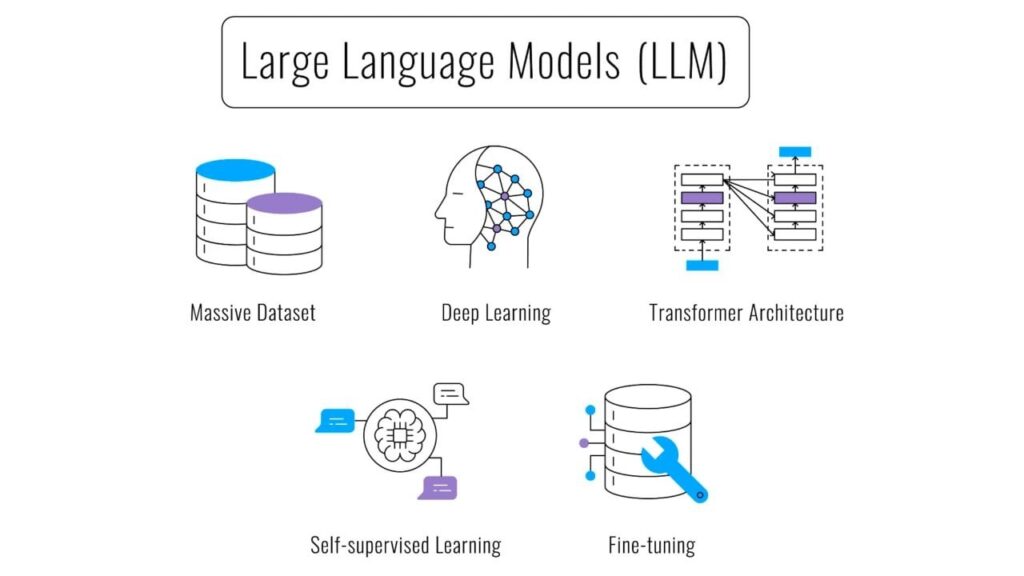
Many AI search engines are powered by large language models (LLMs). These models are trained on extensive datasets that include licensed content, publicly available text, and structured data sources.
During training, machine learning models learn patterns in language, grammar, tone, factual associations, and contextual relationships. This enables them to generate coherent responses and interpret complex queries. Importantly, training allows AI systems to understand intent rather than just match search terms.
Real-Time Retrieval and Hybrid Systems
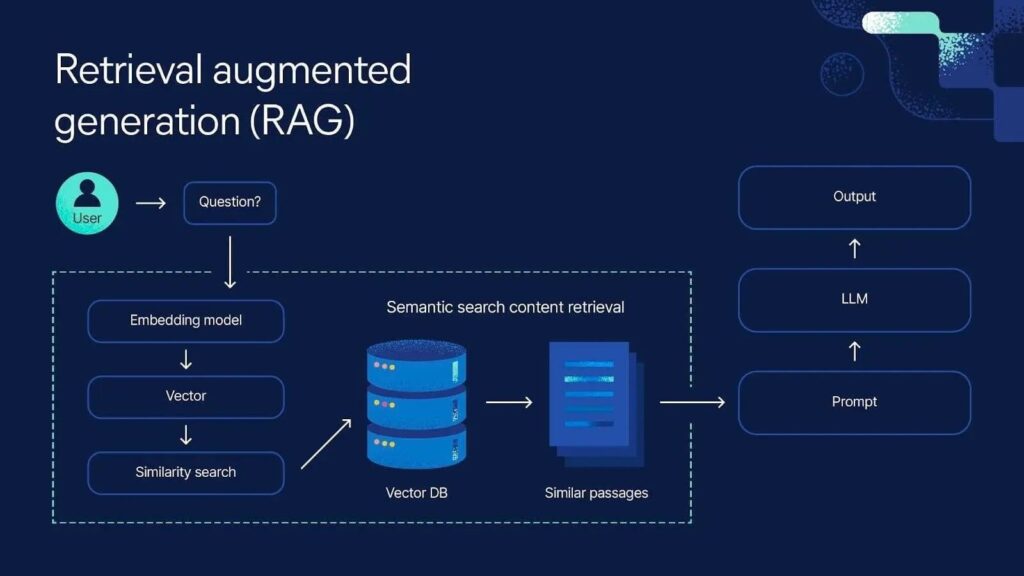
Modern AI search platforms often use retrieval-augmented generation (RAG). This hybrid approach combines pre-trained knowledge with real-time search retrieval. When a user submits a query, the system retrieves relevant indexed documents and integrates them into its response generation process.
This method improves accuracy and allows AI systems to incorporate updated information, rather than relying only on static training data.
How AI Search Engines Evaluate Content
Once content is sourced, AI search engines must determine which information is reliable, relevant, and suitable for summarisation.
Semantic Relevance and Intent Matching
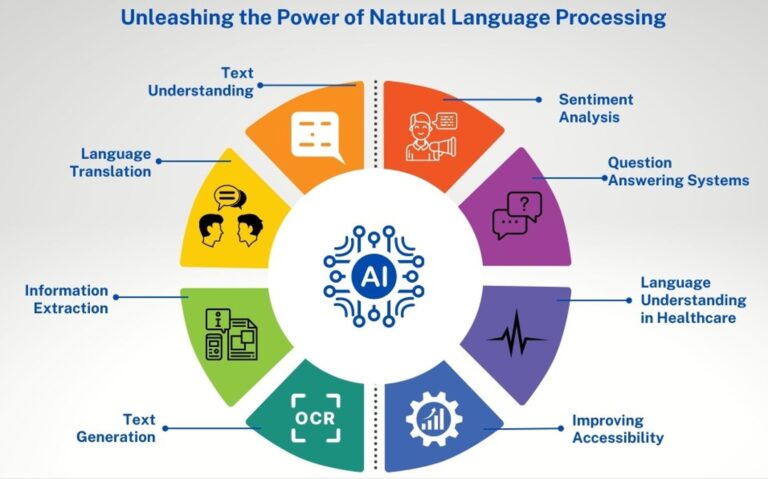
AI search algorithms analyse the meaning behind a query using natural language processing (NLP). They evaluate sentence structure, context, and implied user intent.
For example, a query phrased as a question signals informational intent, while a transactional query suggests purchase readiness. AI systems weigh contextual clues to determine which sources best satisfy the underlying need.
Authority, Expertise, and Trust Signals
AI content evaluation includes assessing authority indicators. These may include domain credibility, consistency of information, structured data markup, author expertise, citation patterns, and topical depth.
Websites that demonstrate strong E-E-A-T (Experience, Expertise, Authoritativeness, Trustworthiness) signals are more likely to influence AI-generated responses. High-quality content with verifiable sources tends to carry more weight than thin or duplicated pages.
Content Quality and Consistency
AI systems assess clarity, structure, factual consistency, and completeness. Well-organised content with logical headings, concise explanations, and supporting details is easier for AI to interpret and summarise.
Low-quality content, misinformation, and duplicate material may be deprioritised or excluded from generative outputs.
How AI Search Engines Summarise Information
Summarisation is one of the most transformative capabilities of AI search engines.
Extractive and Abstractive Summarisation Techniques
AI summarisation uses two main approaches. Extractive summarisation selects key sentences directly from source material. Abstractive summarisation rewrites and condenses information into newly generated text while preserving meaning.
Most advanced AI search engines combine both techniques to produce coherent, concise, and contextually accurate responses.
Multi-Source Synthesis
Rather than relying on a single webpage, AI search engines often synthesise insights from multiple sources. This allows them to generate balanced responses that incorporate diverse perspectives.
By comparing overlapping information across sources, AI systems attempt to reduce bias and strengthen factual reliability.
Response Structuring and User Experience
AI-generated answers are typically structured for readability. Systems may organise responses into bullet points, paragraphs, or sections depending on the query type. This formatting improves comprehension and aligns with conversational search behaviour.
Unlike traditional results pages, generative AI aims to reduce friction by delivering digestible insights directly within the search interface.
Key Differences Between AI Search and Traditional Search Engines
Traditional search engines primarily rank pages based on backlinks, keyword signals, and technical SEO factors. AI search engines, by contrast, prioritise semantic understanding, contextual synthesis, and answer generation.
While ranking signals still influence visibility, the emphasis has shifted toward content quality, topical authority, and structured clarity. This evolution requires content creators to optimise not only for rankings but also for machine comprehension.
Implications for Content Creators and SEO Professionals
To remain visible in AI-driven search environments, content must be structured, authoritative, and semantically rich. Clear headings, factual accuracy, entity references, and logical flow increase the likelihood of being included in AI-generated summaries.
Optimising for AI search means focusing on comprehensive topic coverage, user intent alignment, and trustworthy sourcing rather than relying solely on keyword density.
Conclusion
AI search engines source information through web crawling, structured indexing, and large language model training. They evaluate content using semantic relevance, authority signals, and quality indicators. Finally, they summarise information through advanced natural language processing techniques that synthesise insights from multiple sources.
As generative AI search results continue to evolve, understanding how AI search engines work is essential for maintaining digital visibility. Businesses and publishers that prioritise clarity, credibility, and semantic depth will be better positioned to succeed in an AI-first search landscape.
Reach out to us for contact information.
Frequently Asked Questions
What is an AI search engine?
An AI search engine uses artificial intelligence and natural language processing to understand user queries and generate direct, contextual answers instead of only displaying ranked web links.
How do AI search engines source information?
AI search engines source information through web crawling, indexing publicly available content, structured databases, and real-time retrieval systems that pull relevant information from multiple sources.
How do AI search engines evaluate content quality?
They evaluate content based on semantic relevance, factual accuracy, authority signals, content structure, expertise, and trustworthiness to determine which sources are most reliable.
What is retrieval-augmented generation (RAG)?
Retrieval-augmented generation (RAG) is a method that combines large language models with live information retrieval, allowing AI systems to generate responses using both trained knowledge and up-to-date web content.
How can businesses optimise content for AI search engines?
Businesses can optimise for AI search by creating well-structured, authoritative, and semantically rich content with clear headings, accurate information, and strong topical relevance.