


Introduction
Product pages get most of the attention in many online stores. Category pages often sit in the background. That is a mistake.
These pages catch people early in the search. A shopper may not know the exact item yet. They look for a group of products instead. A clear category page helps them scan, compare, and move closer to a choice.
Good category page optimisation for SEO also helps search engines read your store. Strong structure, clear text, and smart links make a difference. This can improve category page rankings in Google and bring steady traffic.
In this guide, you will learn how to optimise ecommerce category pages using simple steps. We will also look at SEO best practices for category pages and category page conversion optimisation, so visits turn into real sales.
Table of Contents
Why Category Pages Matter for SEO and Conversions
Category pages often shape how a shopper explores an online store. They gather related products in one place. This makes browsing simple and clear. Search engines also rely on these pages to understand how the site is organised.
They Target High-Intent Search Queries
Many shoppers begin with a broad search. They look for a type of product, not one item. Category pages answer that search.
When a page is built with clear headings, short text, and useful product lists, it becomes easier to find. Good category page optimisation for SEO helps the page appear for these wider searches.
Visitors who land here often want to compare items. They scan the page, open products, and move deeper into the store.
They Support Site Structure and Crawlability
Search engines prefer order. A clear layout makes crawling easier. Category pages act like signposts across the site.
Each page links to products and related sections. Smart internal linking for category page SEO spreads authority and helps search engines reach important pages faster.
They Guide Users Through the Buying Journey
Online shoppers explore before they decide. Category pages support that process. A clean grid, clear filters, and short descriptions help users narrow choices.
These small improvements strengthen category page conversion optimisation by helping visitors find the right product without effort.
How to Optimise Ecommerce Category Pages
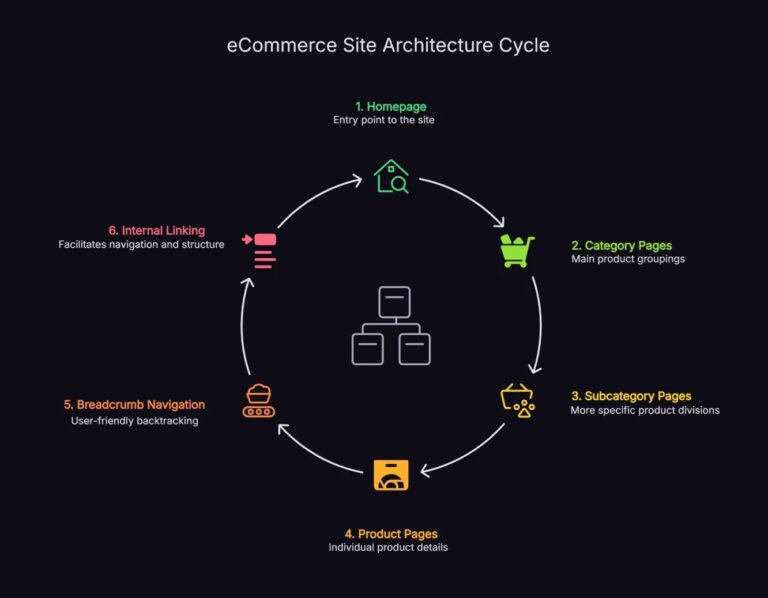
A category page should guide both search engines and shoppers. It shows product groups and helps visitors explore options. When the page is clear and well-organised, it becomes easier to rank and easier to use. Strong category page optimisation for SEO begins with simple improvements in content, structure, and linking.
Write Unique Category Descriptions
Each category needs its own short block of text. Explain what the section contains and what buyers may expect. Mention product types, common uses, or features that matter when people compare items.
This small piece of content adds meaning to the page. Search engines use it to understand the theme of the category. Visitors also benefit because the page feels more helpful. These details follow SEO best practices for category pages and improve topical relevance.
Use Keyword-Focused Titles and Meta Descriptions
The page title should describe the category in clear language. Use words shoppers might search for. Avoid vague titles that offer little detail.
A good meta description adds another signal. It tells users what they will see once they click. When titles and descriptions match search intent, they can help improve category page rankings in Google and increase clicks.
Optimise Headings and Page Structure
Good structure keeps the page readable. Start with one strong H1 heading. Add supporting headings to break up sections when needed.
Short paragraphs work well here. Visitors scan quickly. Search engines also read structured pages with greater accuracy. This layout supports effective category page optimisation for SEO.
Improve Internal Linking Strategy
Category pages should connect to other areas of the site. Links can point to related categories, featured products, or buying guides.
Thoughtful internal linking for category page SEO creates a clear path across the store. Visitors discover more options while search engines move through pages without barriers.
SEO Best Practices for Category Pages
Category pages need both content and technical care. A clear layout helps visitors browse products with ease. At the same time, search engines rely on structure, speed, and signals to understand the page. The following improvements support stronger visibility and better usability.
Optimise URL Structure
A simple URL tells search engines what the page covers. Long or confusing addresses make pages harder to read and harder to trust.
Keep category URLs short and direct. Use words that describe the product group. Avoid extra parameters or random numbers when possible. A clear address improves navigation and supports category page optimisation for SEO by giving search engines a clean signal about the topic.
Add Product Filters Carefully
Filters help visitors narrow product choices. Size, colour, price, or brand options make browsing easier. Yet filters can also create many extra page versions.
If these pages remain unchecked, they may cause duplicate URLs. Search engines can struggle to decide which page should rank. Careful setup, such as using canonical tags or blocking unnecessary filter pages, ensures strong SEO best practices for category pages.
Improve Page Load Speed
Speed matters. Slow pages frustrate users and raise bounce rates. Even a small delay can reduce engagement.
Compressed images, clean code, and fast hosting can improve loading time. Faster performance helps rankings and also strengthens category page conversion optimisation, since visitors stay longer and explore more products.
Use Structured Data Where Possible
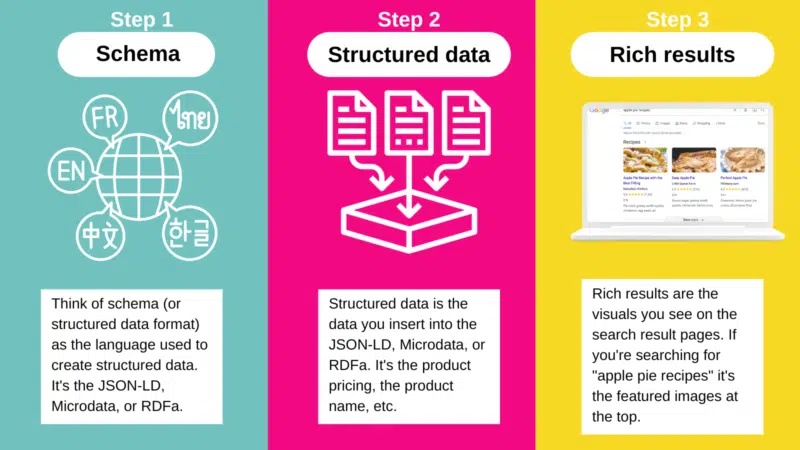
Structured data gives search engines deeper context. Schema markup can highlight product listings, prices, or ratings within a category.
These signals make it easier for search engines to read the page content. Over time, this added clarity may help improve category page rankings in Google and increase visibility in search results.
How Category Page Conversion Optimisation Increases Sales
A visitor may arrive from a search with interest but not a final choice. The category page shapes what they do next. If the page feels simple and useful, people keep browsing.
When the experience feels confusing, they leave. Smart category page conversion optimisation focuses on making product discovery smooth and fast.
Improve Product Layout and Navigation
Most shoppers scan rather than read. A clear grid layout helps them review several products at once. Each product card should show a strong image, a short title, and a price. These small details allow quick comparison.
Navigation should also stay simple. Too many design elements can distract users. Clean spacing and clear product rows help visitors move through the page with less effort. When browsing feels easy, people spend more time exploring items.
Use Filters and Sorting Options
Shoppers often want narrow results. Filters help them control what they see. Options such as price range, size, or brand can reduce a long product list in seconds.
Sorting tools also improve the experience. Some visitors prefer popular items. Others want to see the newest products first. These controls make the page feel flexible and easier to use.
Add Trust Signals and Helpful Content
Confidence matters when people shop online. Simple signals can build that trust. Product ratings, short reviews, and delivery notes offer helpful context.
Clear policies also guide decisions. Return details or warranty information to remove doubt. This useful content improves user experience while also supporting category page optimisation for SEO through meaningful page information.
Common Category Page SEO Mistakes to Avoid
Many online stores build category pages quickly and move on. Small oversights then affect search visibility and user experience. When these issues remain, the page may receive traffic but fail to perform well.
Thin or Missing Content
Some category pages show only product thumbnails. They lack a short text that explains the section. Search engines rely on context to understand page topics.
A brief description can solve this. It tells both users and crawlers what the category covers. Without this layer of information, the page may struggle to compete in search results.
Duplicate Content Across Categories
Another problem appears when several categories use the same description. Repeated text removes uniqueness. Search engines may treat those pages as similar or less valuable.
Each category should include its own wording. Even a short explanation that highlights product differences can improve clarity and relevance.
Poor Internal Linking Structure
Links guide search engines through a site. When category pages sit far from other sections, crawlers may find them less often.
Strong internal linking for category page SEO connects categories with related sections and key products. This linking pattern improves crawl paths and spreads authority across important pages.
Ignoring Conversion Elements
A category page may rank but still fail to sell products. This often happens when the page lacks helpful browsing tools.
Simple layouts, visible prices, and clear product previews help visitors explore choices faster. Thoughtful category page conversion optimisation helps turn visits into real sales.
Conclusion
Category pages often decide how visitors move through an online shop. They gather similar products and give shoppers a clear place to start. When these pages are planned well, they draw steady search traffic and lead users to the right items. Good category pages for SEO help search engines get the message and show them when people look for related things.
Small details make a difference. Clear descriptions, simple headings, and logical links improve structure. Following SEO best practices for category pages allows search engines to read the content with less confusion.
User experience should not be ignored. Clean layouts, useful filters, and clear product displays support category page conversion optimisation and help visitors make decisions faster. These improvements can improve category page rankings in Google while also increasing sales.
With the right strategy, Midland Marketing can help businesses build category pages that attract traffic and turn interest into real results.
Frequently Asked Questions
1. What is category page optimisation for SEO?
It means improving a category page so search engines can understand it. Clear content, good layout, and helpful links make the page easier to find in search.
2. How do you optimise ecommerce category pages?
Start with a short description of the products. Use clear headings and simple titles. Keep the page easy to use and make sure it loads fast.
3. Why are category pages important for ecommerce SEO?
These pages appear for broad product searches. They help shoppers view many items in one place and move through the store with ease.
4. What are the SEO best practices for category pages?
Use unique text for each page. Keep URLs short. Add clear headings and link to related pages within the site.
5. How does category page conversion optimisation increase sales?
A clean layout helps people browse faster. Filters and clear product details make it easier to compare items and choose what to buy.