


Introduction
Search has shifted quietly, but the change is permanent.
Ranking used to be a matter of repeating a phrase frequently and getting as many backlinks as possible. However, that method no longer yields the same results as before. Search engines now interpret meaning. They evaluate context. They analyse how ideas connect.
This is where Entity-Based Search Optimisation becomes essential.
Rather than placing emphasis solely on keywords, it makes your site in accordance with the understanding of the world by the search engines. It comprises of people, services, brands, industries, and ideas. When such connections are made, your visibility goes up as your content becomes understandable and not just indexed.
Modern SEO is not about inserting words. It is about becoming recognisable within a topic.
Table of Contents
Understanding How Search Engines Interpret Entities
From Keywords to Meaning
Search engines, in fact, do not read like humans, but they interpret language with increasing sophistication. When a person searches, Google does not merely look for similar words to scan through its index. It evaluates:
- The intent behind the query
- The context of the words used
- The relationships between concepts
- The credibility of the source
The shift from keyword matching to context interpretation transformed SEO.
A page that mentions “digital marketing strategy” repeatedly without depth will struggle. A page that demonstrates expertise, explores related ideas, and reinforces thematic consistency stands out.
Search engines reward clarity of meaning, not density of repetition.
What Is an Entity in Search?
An entity is a distinct, identifiable concept. It can be:
- A business
- A person
- A product
- A service
- A location
- An idea
Search engines catalogue these entities and map how they relate to each other. When your website consistently aligns with certain topics, it becomes part of that relational network.
Entity SEO positions your brand as a defined part of the search ecosystem. It keeps your identity clear and structured instead of fragmented.
Why Entity SEO Improves Online Discoverability
Online discoverability increases when search engines trust your contextual relevance. Entity thinking strengthens that trust.
Stronger Topical Authority
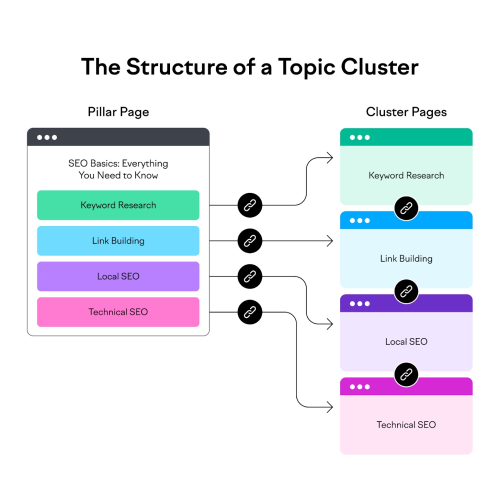
Authority is not claimed. It is demonstrated.
When your content consistently reinforces specific topics, search engines begin associating your site with subject expertise. You are no longer targeting a keyword. You are reinforcing a recognised concept.
Entity-Based Search Optimisation strengthens that association by:
- Building depth around defined topic clusters
- Connecting related articles logically
- Maintaining consistent terminology without repetition
- Reinforcing thematic alignment across your site
This directly supports E-E-A-T principles:
- Experience is shown through practical insights
- Expertise appears in depth of coverage
- Authoritativeness grows through consistency
- Trustworthiness develops through clarity
Keyword targeting isolates pages. Entity reinforcement builds subject credibility. That difference impacts rankings.
Improved Contextual Relevance Across Search Queries
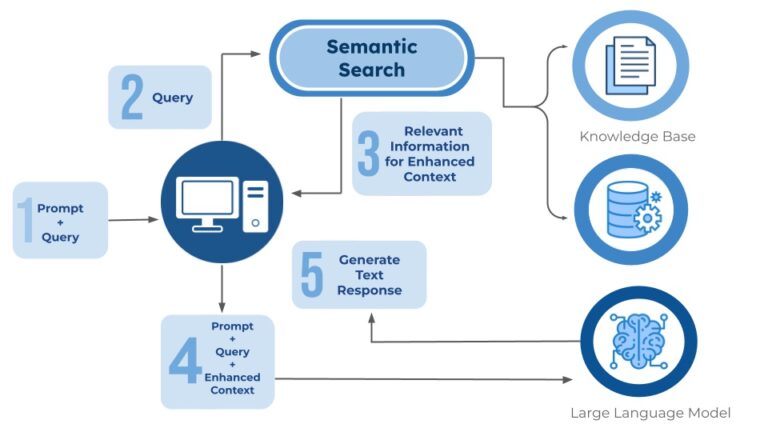
Semantic search allows one strong entity to rank across many variations of a query. When your website establishes authority around a core concept, search engines connect related phrases automatically. You may rank for queries you never explicitly targeted.
For example:
A business aligned with the entity “digital marketing strategy” can appear for searches involving:
- Campaign planning frameworks
- Integrated marketing models
- Conversion optimisation strategies
- Growth-focused marketing systems
The wording changes. The meaning overlaps. Entity-Based Search Optimisation enables:
- Broader long-tail visibility
- Reduced reliance on exact-match keywords
- Greater resilience across query variations
This reflects modern retrieval systems that evaluate layered context rather than literal duplication. Discoverability expands when structure supports meaning.
Better Alignment With Search Intent
Not all searches have the same purpose.
- Some users want to learn.
- Some want to compare.
- Some are ready to buy.
Entities help search engines interpret that difference.
When your website clearly signals what it represents, Google can confidently match your content to:
- Informational queries
- Commercial investigation searches
- Transactional intent
- Navigational searches
Entity-Based Search Optimisation strengthens intent matching because it clarifies your position within a topic ecosystem.
You are not chasing isolated phrases. You are aligning with the user’s purpose. This alignment keeps users engaged, reduces bounce rates, and builds trust.
Enhanced Visibility in Rich Results and SERP Features
Search results are layered environments. Beyond standard rankings, visibility can appear in:
- Featured snippets
- People Also Ask boxes
- Knowledge panels
- Related search clusters
Entity clarity increases your eligibility for these placements. When search engines clearly understand your association with defined topics, they extract information with greater confidence. Structured context makes your content easier to interpret.
Rich results are not forced; they are earned. That difference is important.
Long-Term Algorithm Resilience
Algorithms change, updates recalibrate ranking signals, and trends continue to move. Yet one principle remains consistent: depth outperforms shortcuts.
Entity authority is difficult to manipulate because it requires:
- Thematic consistency
- Content depth
- Contextual alignment
- Credible signals
Entity-Based Search Optimisation is structural, not tactical. It aligns your website with how modern AI-driven systems interpret relationships. That alignment reduces volatility during algorithm updates. It transforms SEO from reactive adjustments into strategic positioning. When meaning is clear, updates rarely destabilise performance.
Stronger Internal Content Architecture
Entities connect pages logically. When your site is mapped around defined topics, internal linking becomes intentional. Articles reinforce each other. Hierarchy becomes visible. Relationships strengthen.
This approach helps to:
- Reduce keyword cannibalisation
- Clarify page roles
- Support scalable content growth
- Strengthen crawl efficiency
Without entity mapping, expansion often leads to fragmentation. With it, expansion increases authority. As your content library grows, coherence becomes your competitive advantage.
How to Start Implementing Entity SEO on Your Website
Entity SEO does not begin with tools. It begins with clarity.
Identify Core Topic Entities
Define the central concepts your business represents. These may include:
- Core services
- Industry focus
- Methodologies
- Geographic positioning
Ask one direct question:
What should search engines unmistakably associate with our brand?
Clarity precedes optimisation.
Build Supporting Content Around Related Entities
Once core topics are defined, develop supporting content that explores connected ideas. Depth signals expertise. Breadth signals contextual awareness.
Entity-Based Search Optimisation strengthens discoverability by reinforcing associations naturally rather than mechanically. Avoid thin repetition. Prioritise meaningful expansion.
Strengthen Content Relationships
Internal links should reflect logical topic relationships, not keyword stuffing.
Ensure:
- Related articles connect clearly
- Hierarchy reflects importance
- Navigation supports thematic grouping
When relationships are visible to users, they are visible to search engines. Keep structure simple. Keep connections deliberate.
Conclusion
SEO has evolved beyond keywords.
Search engines now interpret relationships, authority, and meaning. Websites that align with this model gain sustainable visibility. Those who rely on repetition fall behind.
Entity-Based Search Optimisation improves discoverability by clarifying what your brand represents. It strengthens contextual relevance, enhances intent alignment, and supports long-term resilience.
It is not a trend. It is a structural alignment with modern search systems.
At Midland Marketing, we build strategies that prioritise clarity over shortcuts. If your goal is durable search visibility, not temporary spikes, entity thinking is foundational.
Search engines are learning continuously. Your strategy should, too.
Frequently Asked Questions
1. What is the difference between keyword SEO and entity SEO?
Keyword SEO targets phrases. Entity SEO links your brand to clear topics. One hunts terms. The other builds identity.
2. How does entity SEO affect Google rankings?
It helps search systems map your site to topics. Better mapping yields rank gains across related queries, not just one keyword.
3. Is Entity-Based Search Optimisation suitable for small businesses?
Yes. Small sites can win by being very clear in a niche. Focus beats size when signals are consistent.
4. Does entity SEO require structured data?
Schema helps. But plain, tight content and clear links matter more. Use both, not one instead of the other.
5. How long does it take to see results from entity SEO?
Some gains in months. Real authority takes longer. It grows as your content network and signals build.