


Introduction
SEO often feels complex. Algorithms and trends change. Tools get updated. Yet one principle stays steady: keywords guide everything. At the centre of this sits a simple idea: primary keywords in SEO shape how search engines read, rank, and display content.
Without a clear primary keyword, a page drifts. It may attract traffic, but not the right visitors. It may rank, but not for terms that matter. A strong keyword focus gives direction. It tells search engines what your page is about. It tells readers what they can expect.
Think of primary keywords as a compass. They influence structure, headlines, and optimisation decisions. They also prevent scattered messaging. When chosen well, they connect search intent, content relevance, and visibility.
In short, every effective SEO strategy begins here. Before links, technical tweaks, and analytics, keyword clarity sets the foundation.
Table of Contents
What Are Primary Keywords in SEO?
Definition of a Primary Keyword
A primary keyword is the main search term a page tries to rank for. It reflects what the page is really about. It also shows what the reader is looking for.
Every part of the page should connect to the keyword. When the keyword is clear, the page feels focused. When it is not, the message can feel scattered.
This is why the importance of primary keywords cannot be ignored. They give the page a clear purpose.
Primary Keyword vs Secondary Keywords
Keywords have different roles. The primary keyword is the main topic. Secondary keywords support it.
Think of the primary keyword as the core idea. Secondary keywords add detail. They cover related searches, questions, and phrases.
Both work together. One sets the direction. The other adds depth. This helps the page stay relevant while reaching more searches.
How Search Engines Interpret Primary Keywords
Search engines look at many parts of a page. They check the title first. Then the URL. Headings come next. The main content follows. They also study how words relate to each other. This is where search intent alignment matters.
When everything points to the same topic, search engines understand the page more easily. The meaning becomes clear. The topic feels consistent. This often leads to better visibility in search results.
Why Primary Keywords Are the Foundation of SEO Strategy
According to BrightEdge, organic search drives over 53% of total website traffic for many industries, making it one of the most valuable acquisition channels.
This reinforces why primary keywords matter. They directly influence how much of that traffic your business captures.
They Define the Page’s Core Focus
Every page needs a clear purpose. One topic. One main idea. A primary keyword gives that direction. It shows search engines what the page is about. It helps readers understand the subject right away. When the focus is unclear, the content can feel messy. Rankings often suffer.
They Guide Content Structure and Hierarchy
Good content follows a plan. The keyword shapes that plan. Headings grow from the main topic. Sections explain related points. Subtopics add useful detail.
This creates a natural flow. Readers move through the page with ease. Search engines also read the structure more clearly. The page feels organised and easy to follow.
They Influence On-Page Optimisation
Small details make a big difference. Search engines study key areas of the page. They check the title tag, meta description, main heading, URL, opening lines, and even internal links.
When the keyword appears naturally in these places, the page sends a clear signal. This is the heart of on-page optimisation. The goal is not stuffing words. The goal is clarity.
They Prevent Keyword Cannibalisation
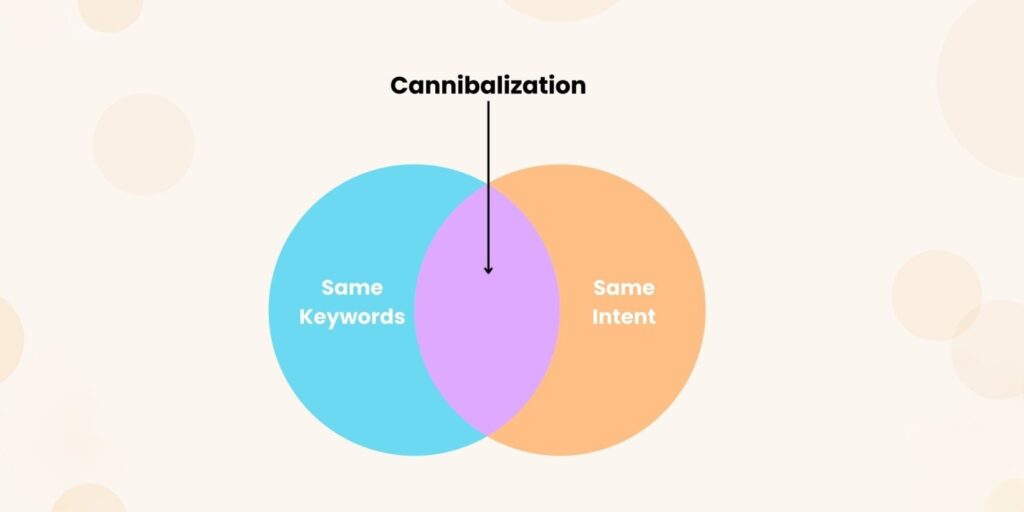
Trouble starts when several pages target the same keyword. Rankings split. Search engines struggle to choose the best page.
Using one primary keyword per page avoids this issue. Each page has its own role. Each topic stands on its own. This keeps the site clean, focused, and easier to rank.
How to Choose the Right Primary Keyword
Understanding Search Intent First
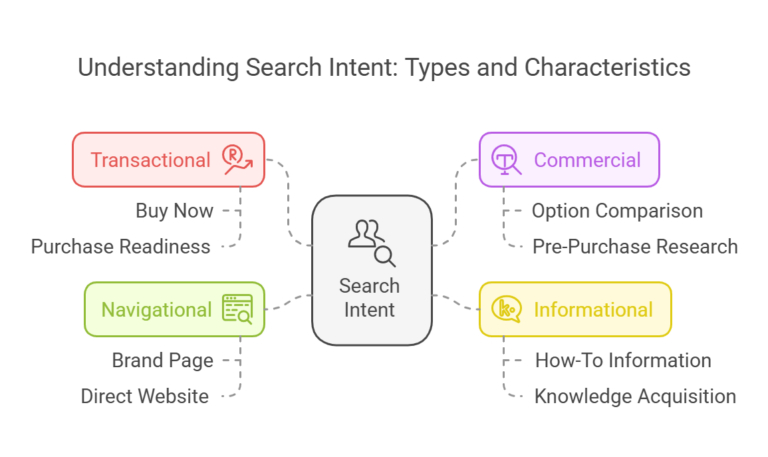
Before picking any keyword, ask a basic question. What is the searcher trying to do?
Some searches are informational. People want answers or explanations. Others are navigational. Users look for a specific site or brand. Then come commercial queries. These users compare options before deciding. Finally, transactional searches signal action. The user is ready to buy or sign up.
Search intent alignment matters more than most people realise. A keyword may look perfect on paper. But if the intent does not match your page, rankings rarely hold. Even worse, visitors leave quickly.
Evaluating Search Volume vs Competition
Big numbers can be tempting. High-volume keywords attract attention. Yet they often come with strong competition. Established sites dominate these results.
Medium-volume terms usually offer better balance. Less noise. More realistic chances. They also support a long-term keyword optimisation strategy. Growth becomes steady instead of unpredictable.
Smart SEO rarely chases volume alone. It weighs difficulty, relevance, and opportunity.
Analysing SERP Results
Search results reveal useful clues. Study them carefully.
Look at the top pages. What type of content appears? Blog posts, product pages, guides? Notice how detailed the content is. Short pieces suggest lighter competition. Deep resources signal tougher ground.
Check who ranks. Strong domains often require stronger content to compete.
Considering Business Relevance
Traffic by itself means little. Visitors must have value. A keyword can bring thousands of clicks. But if those users never convert, the effort fails.
The right keyword connects searches to real outcomes, leads, sales, enquiries, or engagement. Without that link, rankings become empty wins.
Primary Keywords and Content Planning
Building Pillar Pages Around Primary Keywords
Content planning starts with a strong base. Broad primary keywords usually shape pillar pages. These pages cover a topic at a higher level. They explain the main idea, key themes, and core questions.
Think of a pillar page as the centre of gravity. It holds the main subject. It provides structure. It sets the direction for related content. This approach strengthens search engine visibility by creating clear topical signals.
Supporting Cluster Content
No topic lives on a single page. Depth comes from supporting articles. This is where the importance of primary keywords connects with secondary keyword planning.
Cluster content targets narrower searches, specific questions, and focused problems. Each article links back to the pillar page. This linking pattern helps search engines understand relationships between topics.
It also improves user experience. Readers move naturally between related pages. The journey feels logical, not random.
Creating a Clear Site Architecture
Structure matters more than many realise. A well-planned site feels easy to navigate. Both for users and search engines.
Start with a logical URL structure. Keep topics grouped. Avoid messy paths. Then build strong internal linking. Pages should connect with purpose.
Topic silos emerge from this design. Related content stays organised. Authority grows steadily. Over time, this clarity supports rankings, improves crawling, and prevents confusion across the site. Illustration of primary keywords in SEO shown as a compass guiding strategy with elements like backlinks, content, and analytics.
Where and How to Optimise for Primary Keywords
Title Tag Optimisation
The title tag sets the first impression. It is the line users notice in search results. It is also one of the clearest signals for search engines.
Place the primary keyword early. Not awkwardly. Not stuffed. Just where it reads clean and direct. Long titles tend to blur the message. A tight, focused line usually performs better.
Heading Structure (H1, H2, H3)
Headings shape how a page feels. The H1 anchors the topic. It should state the subject without hesitation.
Subheadings then guide the reader through the discussion. Some may include keyword variations. Others may not. That is normal. Real pages do not read like checklists. They read like conversations.
Content Body Integration
Keywords work best when they disappear into the writing. No spotlight. No forced rhythm. Search engines evaluate context. Readers do the same.
Overloading a paragraph with repeated terms rarely helps anyone. A natural mention, placed where it adds meaning, carries more weight.
URL and Slug Best Practices
URLs are often ignored, yet they quietly matter. It should be short, descriptive, and easy to read. A keyword-based slug helps users understand the page before opening it.
A clean structure also supports crawling and SERP positioning. Extra words, numbers, or clutter add friction. Simple paths tend to age well.
Internal Anchor Text Strategy
Internal links connect ideas across the site. Anchor text shapes how those connections are understood.
Exact matches are not always necessary. Partial matches often sound smoother. They blend into sentences instead of interrupting them. When done well, internal links feel helpful and almost invisible while strengthening topical signals behind the scenes.
Common Mistakes When Targeting Primary Keywords
Targeting Multiple Primary Keywords on One Page
Many pages try to rank for too many main keywords. This creates a problem. The topic becomes unclear. Search engines receive mixed signals. When focus is split, rankings often weaken. The page struggles to perform well for any single term.
Ignoring Search Intent
A keyword may seem strong at first. Still, rankings can drop. The reason is often simple: intent mismatch.
If users expect helpful information but find a sales page, they leave quickly. Search engines notice this behaviour. Poor matches hurt performance. Search intent alignment keeps content relevant and useful.
Overstuffing the Keyword
Using a keyword too often makes writing feel unnatural. Sentences sound forced. Reading becomes difficult. Search engines can detect this easily. Keyword stuffing may reduce rankings. Clear and natural writing works far better.
Choosing Keywords Based Only on Volume
Large search numbers can be tempting. High volume looks attractive. But numbers alone do not guarantee results.
Some popular keywords face heavy competition. Others bring visitors who never convert. Relevance and difficulty matter more. This is where the importance of primary keywords becomes clear. Smart keyword choices lead to stronger SEO outcomes.
Primary Keywords vs Long-Tail Keywords
When to Target Broad Primary Keywords
Broad keywords attract attention for a reason: large traffic, wide reach, and strong visibility. They are not easy wins.
Competition is heavy. Established sites often dominate these results. Ranking takes time. It demands strong content and steady authority. For trusted brands, the effort can pay off. The audience size is hard to ignore.
When to Focus on Long-Tail Variations
Long-tail keywords tell a quieter story. More specific, more targeted, and usually less crowded. These searches often come from users with a clear goal.
They know what they want. This focus can lead to better engagement and stronger conversions. For growing websites, long-tail terms often feel more realistic and more stable.
Combining Both for Maximum Visibility
SEO growth rarely follows a single path.
Broad keywords build long-term strength. Long-tail searches create early traction. Small gains build momentum. Momentum builds authority. Over time, tougher rankings become easier to approach.
A layered approach reduces risk. It also supports steadier search engine visibility while strengthening topical authority across the site.
Measuring the Success of Your Primary Keyword Strategy
Tracking Rankings
Rankings often change. This is normal. Focus on long-term movement. Not daily shifts. Small drops and gains happen all the time. What matters is the overall direction. Steady improvement usually signals healthy progress. Sharp changes may need closer review.
Monitoring Organic Traffic
Rankings do not show the full picture. Check your organic traffic in analytics tools. Look for clear trends. See which pages bring visitors. Notice what happens after content updates. Traffic patterns often reveal real performance.
Evaluating Engagement Metrics
Visitor behaviour tells an important story. Review bounce and conversion rate. Fast exits may suggest weak relevance. Longer visits often show stronger interest. Conversions indicate real value. These signals help measure content effectiveness.
Adjusting Strategy Based on Data
SEO needs regular attention. Data should guide decisions. Some pages may need clearer writing, better structure, and updated information. This cycle never really stops. Small changes over time often produce the best outcomes.
Conclusion – Are Primary Keywords the Most Critical Part of SEO?
Primary keywords in SEO play a bigger role than many realise. They provide clear direction, keep the topic focused, and guide optimisation decisions. They also prevent pages from competing with each other.
When the keyword is chosen well, everything feels more organised. The message is clear. The content matches what users search for.
Good SEO does not start with tricks or tools. It starts with clarity. A strong keyword foundation makes every step easier.
At Midland Marketing, this idea shapes how content is planned and written. Without a clear keyword focus, even strong pages can struggle to gain steady visibility and results.
Frequently Asked Questions
How many primary keywords should a page use?
One primary keyword works best in most cases. A single keyword keeps the topic clear. Search engines can better understand the page. Focus improves rankings.
Can a primary keyword be a longer phrase?
Yes. Many keywords are longer and more specific. These phrases often match real searches. They can attract visitors who know what they want.
How can I tell if my primary keyword is not working?
Check your results. Low rankings, weak traffic, and visitors are leaving quickly. These signs often suggest a poor keyword choice or intent mismatch.
How often should I use the primary keyword?
There is no strict rule. Use it naturally. It should fit the writing. Too much repetition can make the content feel forced.
What if two pages target the same keyword?
This can create problems. Pages may compete with each other. Rankings may drop. This issue is called keyword cannibalisation. It often weakens SEO performance.