

Introduction
Most websites publish content, while a few publish strategically. The difference is rarely talent or budget. It is insight.
Competitive content analysis gives you that insight. It shows you what works, what fails, and more importantly, what everyone else has overlooked. When used properly, it becomes less of a research task and more of a strategic weapon.
Search rankings are not awarded in isolation. Every page competes against others targeting the same query. If you do not understand those competing pages, you are guessing. A strategy built on guesswork rarely wins.
This guide walks you through analysing competitor content step by step to strengthen rankings, authority, and long-term visibility.
Table of Contents
What Is Competitive Content Analysis And Why It Matters
At its core, competitive content analysis is the process of evaluating rival pages to understand why they rank. It’s not just what they wrote, but also which keywords they used. It’s about why Google chose them.
A proper analysis reviews structure, depth, authority signals, search intent alignment, and engagement indicators. It is essentially investigative SEO.
Many marketers skip this stage and jump straight into writing. That usually leads to average content competing against well-optimised pages. Predictable outcome.
A structured approach helps you:
- Find gaps competitors missed
- Spot weak sections you can improve
- Align better with search intent
- Build stronger topical authority
- Strengthen internal linking logic
When you understand the competitive landscape, your strategy stops reacting and starts anticipating.
Step 1: Identify Your Real Search Competitors
Business competitors and search competitors are often different. A local service provider may think their rivals are nearby firms. In search results, they may actually compete against blogs, directories, or publishers.
This is why SERP competitor research comes first. Search your priority keywords. Study the top ten results. Look for patterns:
- Which domains appear repeatedly
- Whether results favour guides, lists, or landing pages
- How detailed the content is
- Whether featured snippets dominate
These observations tell you who you truly compete with in organic search.
During SEO competitor analysis, classify them:
- Industry leaders
- Niche specialist sites
- Aggregators
- News platforms
- Educational resources
Each type ranks for different reasons. Each requires a different response strategy.
Step 2: Analyse Content Structure And Depth
Structure influences rankings more than most people realise. Search engines need a clear hierarchy to understand context. Readers need it to stay engaged. When reviewing competitor pages, check:
- Heading distribution
- Section flow
- Subtopic coverage
- FAQ usage
- Summaries and conclusions
Weak structure is an opportunity. Strong structure is instruction.
Depth matters just as much. Thin content sometimes ranks briefly, but it rarely holds position. During content strategy research, examine whether competitors:
- Explain subtopics thoroughly
- Include examples
- Provide statistics or sources
- Address objections
- Offer actionable advice
Pages that combine clarity and completeness tend to dominate long-term rankings.
Step 3: Run A Content Gap Analysis
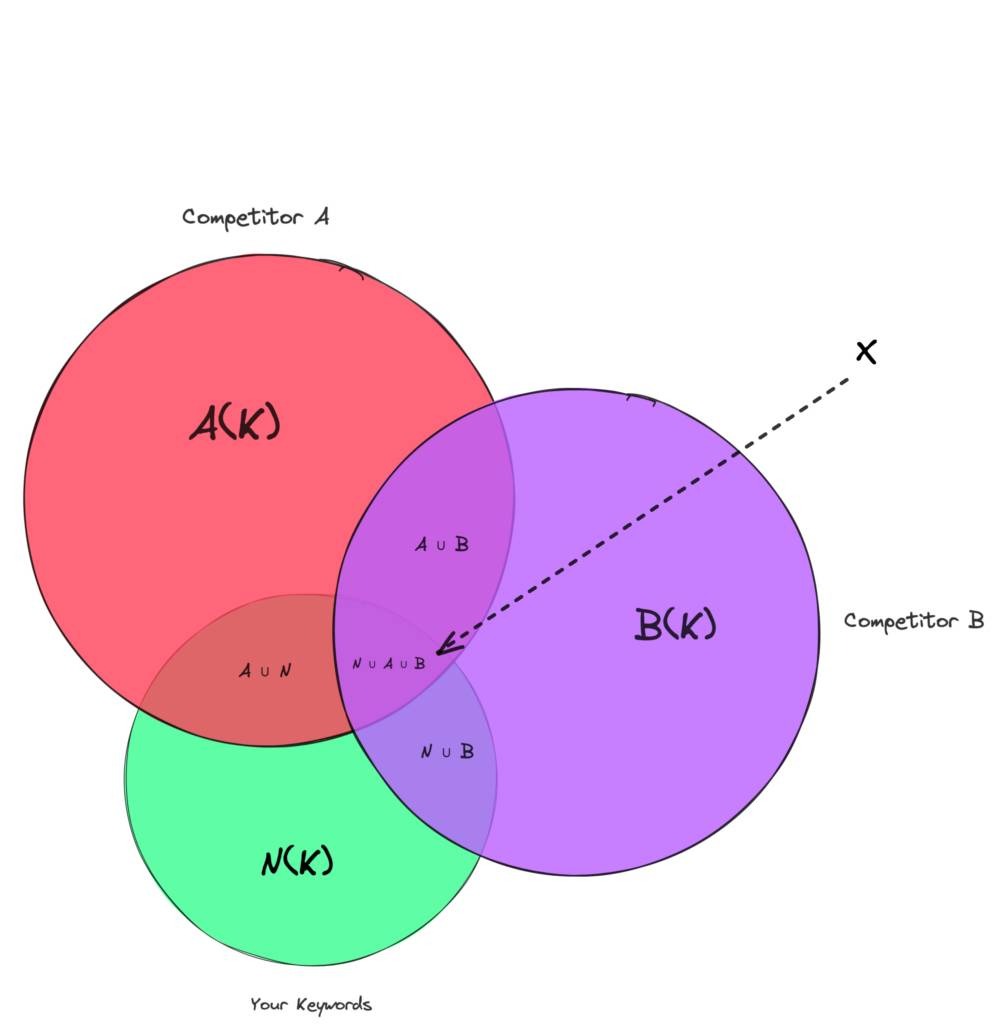
A content gap analysis compares what competitors cover with what you cover. The goal is not to copy topics. The goal is finding missing ones.
Look for:
- Subtopics they discuss that you do not
- Questions left unanswered
- New trends they ignored
- Industry-specific angles are missing entirely
Gaps are strategic openings. If every ranking page explains a topic briefly, a deeper guide can outperform them.
Pay special attention to underdeveloped sections. Sometimes a competitor mentions a critical point but fails to explain it. Expanding those areas instantly improves value and authority.
Step 4: Evaluate Keyword Strategy And Search Intent
Keywords still matter in search engines. Still, without context, keywords are not used. Context is what matters more. During analysis, review:
- Title tags
- Meta descriptions
- Header usage
- Anchor text
- Semantic keyword variations
This stage of SEO competitor analysis reveals how pages cluster keywords. High-ranking content usually targets a primary keyword plus related terms naturally woven into headings and body text.
Next comes intent alignment. Ask yourself the vital questions like:
- Does the page fully answer the search query?
- Does it match informational or transactional intent?
- Does it include comparisons if users expect them?
- Are the steps clear and actionable?
If competitors partially satisfy intent, you can outrank them by completing the picture.
Step 5: Assess Authority And Quality Signals
Search engines prioritise credibility. Content without authority signals struggles to rank, even if well-written.
During review, check for:
- Author bios
- Credentials
- Citations
- Updated timestamps
- Case studies
This stage is part of topical authority analysis, where you evaluate whether a site demonstrates deep expertise across related subjects.
Also assess usability. Strong content with poor experience can still lose rankings. Look at Page speed, Mobile layout, Formatting clarity and Visual hierarchy.
Sometimes, the fastest way to outrank a competitor is not to write more. It is presenting information better.
Step 6: Study Backlinks And Promotion
Content rarely ranks on quality alone. Visibility often depends on links and distribution. Identify which competitor pages attract backlinks. Tools can show:
- Linking domains
- Anchor patterns
- Most referenced articles
This reveals what type of content earns attention. Research reports, statistics pages, and comprehensive guides often attract the most links.
Promotion matters too. During this phase of content strategy research, observe how competitors distribute their content:
- Social shares
- Email newsletters
- Partnerships
- Guest posts
Strong promotion amplifies strong content.
Step 7: Perform Content Performance Benchmarking
Now compare performance metrics. This is where content performance benchmarking becomes useful.
- Traffic estimates
- Ranking trends
- Keyword growth
- Stability over time
Look for patterns. Some pages spike quickly, then fade. Others grow slowly and stay dominant. The second type usually reflects deeper authority and stronger intent alignment.
Engagement indicators also help. Comments, updates, and social signals hint at audience interaction. If engagement appears low despite a high ranking, you may be able to outperform them with clearer explanations or stronger examples.
Step 8: Conduct An Organic Content Audit Of Your Own Site
You cannot compare competitors properly without reviewing your own content. An organic content audit highlights strengths, weaknesses, and missed opportunities within your site. Audit your pages for:
- Outdated information
- Thin sections
- Weak internal links
- Missing subtopics
- Low-ranking keywords
Then compare findings against competitor insights. This reveals where improvements will have the greatest impact.
Building Topical Authority Instead Of Chasing Rankings
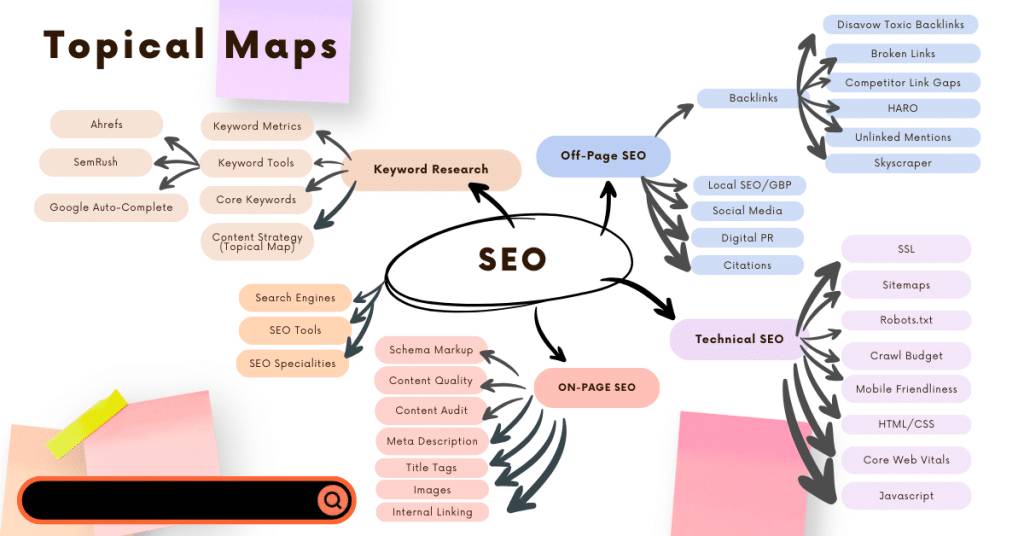
Many sites chase individual keywords. Strong sites build ecosystems. When your competitive content analysis reveals topic clusters dominating search results, take note. Those clusters signal search engines’ trust.
Create interconnected content rather than isolated posts. Link related articles logically. Expand coverage across the topic. This strengthens the Contextual relevance and Internal linking structure. In addition to it, they also improve Keyword breadth and User navigation. Over time, this approach builds lasting visibility rather than short-term ranking wins.
Common Mistakes In Competitive Content Analysis
Copying Instead Of Differentiating
One of the biggest traps in competitive content analysis is imitation. It feels safe to mirror what already ranks. But safe rarely wins. Suppose your page looks like everyone else’s, search engines see no reason to move it higher. The goal is not to match competitors, it is to outthink them.
Ignoring User Experience Factors
Strong writing alone will not carry a page. Slow load speed, cluttered layouts, and poor mobile formatting quietly drag rankings down. During SEO competitor analysis, always check usability. Sometimes the fastest win is not better text but a better delivery.
Focusing Only On High-Volume Keywords
Traffic looks exciting. Conversions pay the bills. Low-volume, high-intent terms often bring visitors who are ready to act, not just browse.
Treating Analysis As A One-Time Task
Search results shift constantly as competitors update and algorithms adjust. These updates make your content better. And fresh reviews keep your strategy sharp and your content relevant.
Turning Insight Into Long-Term Advantage
Effective SEO is not guesswork. It is pattern recognition backed by research. Competitive content analysis gives you that perspective. It shows what competitors publish, how they structure it, and where they fall short. Those gaps become your opportunities.
When paired with SERP competitor research, content gap analysis, and ongoing content performance benchmarking, your strategy evolves from reactive publishing to deliberate positioning.
That shift changes everything. Because once you understand the landscape, you stop chasing rankings and start building authority that earns them.
Frequently Asked Questions
Frequently Asked Questions
What Is Competitive Content Analysis And Why Should I Care About It?
We look at competitive content analysis as a shortcut to clarity. Instead of guessing what might rank, I study what already has structure, intent, depth, and links, then build something more useful. It saves time. And mistakes.
How Do I Start A Proper SEO Competitor Analysis Without Tools?
We begin with search results. We type my target query, scan the top pages, and note patterns’ length, headings, tone, and angle. Even without software, SERP competitor research shows what Google prefers for that topic.
What Makes A Content Gap Analysis Valuable?
For me, content gap analysis is where strategy clicks. We compare what competitors covered against what they skipped. Those missing sections often become my strongest ranking opportunities because they add genuine value.
How Often Should I Review Competitor Content?
We revisit competitor pages every few months. Rankings change quietly. A quick check shows whether their content improved, dropped, or stayed stale, and that tells me where to push next.
Is Content Performance Benchmarking Really Necessary?
Yes, we rely on content performance benchmarking to stay realistic. It shows whether my pages are actually improving against competitors, not just publishing more. Without that comparison, progress can look bigger than it is.