


Introduction
Scroll any social feed for five minutes, and you will see it. Brands are trying to keep up with the conversation. Some feel natural, while others feel desperate. The difference usually comes down to newsjacking marketing to boost brand authority.
It is done with judgment, timing, and restraint. When it works, it feels clever and human. When it doesn’t work well, it’s painfully obvious. This guide breaks down newsjacking, why it works, where it goes wrong, and how brands can use it as a practical tool.

Table of Contents
What Is Newsjacking in Marketing?

Newsjacking is about reacting, not inventing. You are stepping into a moment that already has attention and adding something worthwhile to it.
The Core Idea Behind Newsjacking
At its simplest, newsjacking is the act of placing your brand into a trending news story, meme, or cultural moment. They do while people are actively paying attention. Instead of pushing a fresh campaign, you borrow momentum. This is topical content marketing at speed, fast, light, and context-aware.
Why Timing Is Everything in Newsjacking
Timing isn’t a detail here; it’s the whole game. The media cycle moves fast, and attention spikes fade quickly. If you post after the joke’s already been made or the headline has cooled, the moment is gone. Strong media cycle timing separates content that lands from content that limps.
How Newsjacking Differs From Planned Campaigns
Planned campaigns are neat, polished, and slow. Newsjacking is messy by comparison. It sits firmly inside reactive content marketing, where ideas are shaped in minutes, approvals are streamlined, and perfection matters less than relevance.
Newsjacking Marketing to Boost Brand Authority
When it clicks, it’s not really about the clicks. There’s a reason brands keep coming back to it in the end. A simple clicks from customers and visitors have meaning to the brands.
It Taps Into Existing Public Attention
You are not asking people to care about something new. You are joining a conversation that they are already in. That’s why trending topic marketing often outperforms cold posts; attention is already primed.
It Positions Brands as Relevant and Culturally Aware
Well-timed posts signal awareness. They show brand relevance in current events, which helps companies feel less corporate and more present. It’s a form of cultural moment marketing, and audiences notice when it feels authentic.
It Encourages Social Sharing and Virality
People share what feels timely and clever. Newsjacking naturally leans into viral marketing tactics because it creates shareable trending content that fits the moment.
10 Powerful Examples of Successful Newsjacking
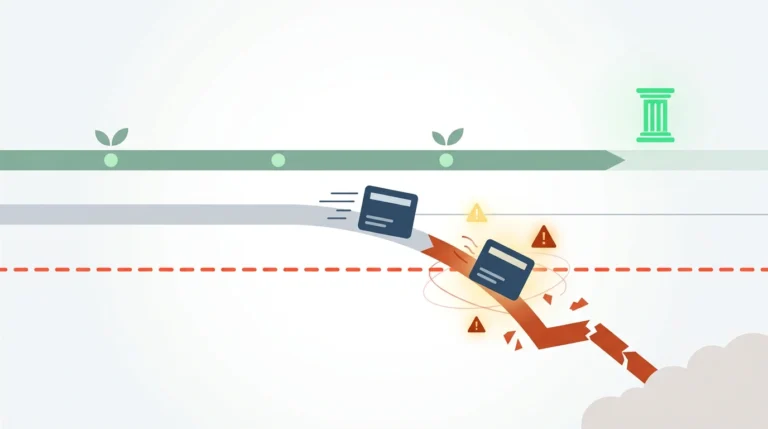
Learn examples better to find newsjacking marketing and how it helps brand authority. These newsjacking examples help you to understand things better. These work best because they were quick, relevant, and restrained.
Oreo’s Super Bowl Blackout Tweet
During the Super Bowl blackout, Oreo posted, “You can still dunk in the dark.” Simple. Immediate. Perfectly timed. It’s still referenced as the gold standard for social media newsjacking.
IKEA Reacting to Pop Culture Trends
IKEA regularly riffs on films, memes, and major releases using its own products as visual punchlines. It’s trend-based content creation done with a wink, not a shout.
Netflix Responding to Viral Moments
Netflix is fluent in internet language. By tying shows to memes and moments, it nails brand news response without trying to sell anything directly.
Aviation Brands and Travel News
When routes open, rules change, or weather disrupts travel, airlines that respond clearly and quickly add value. This is newsjacking that leans informative, not gimmicky.
Fashion Brands During Award Shows
Red carpets create instant commentary. Fashion brands often join in with fast visuals or playful captions, tapping into live attention spikes.
Food Brands and Weather Events
Heatwave? Ice cream posts soar. Cold snap? Soup brands emerge. Forecast-driven posts are a quiet but effective form of reactive social media posts.
Tech Brands During Major Product Launches
Competitors love this moment. A subtle comparison or feature highlight during a rival’s launch can work if it stays good-natured.
Sports Brands During Major Tournaments
Big goals, shock wins, broken records. Sports moments are perfect for timely brand messaging that feels celebratory rather than intrusive.
Finance Brands During Budget Announcements
Budget days create confusion. Brands that offer fast explainers or calm breakdowns can gain trust while staying relevant.
Local Businesses Reacting to Community News
Not all newsjacking is global. Local weather, events, or milestones allow small brands to win with audience attention spikes close to home.
How to Do Newsjacking the Right Way
To stand out, brands are moving beyond scheduled posts and leaning into the immediate cultural conversation. This guide explores newsjacking marketing to boost brand authority by turning breaking news into a platform for your brand’s voice.
Monitor News and Trends in Real Time
You can’t react if you’re late. Trend dashboards, alerts, and social listening tools help spot stories before they peak.
Act Quickly but Thoughtfully
Fast doesn’t mean careless. The best PR newsjacking strategy balances urgency with tone. A pause of five minutes can prevent a week of backlash.
Connect the Story Naturally to Your Brand
Forced links fail. If the connection needs explaining, don’t post it. Strong brand news response feels obvious, not strained.
Keep the Message Simple and Shareable
One idea, one line and one visual. Overcomplication kills momentum in real-time marketing strategy execution.
Get Internal Approvals Streamlined
If every post needs six sign-offs, newsjacking won’t work. Brands that succeed plan for speed long before a trend appears.
The Risks and Ethical Boundaries of Newsjacking
Make sure to plan for every risk and boundary. Because this is where many brands stumble.
Avoid Sensitive or Tragic Events
There’s a clear line. Disasters, deaths, and conflicts are off-limits. Ethical newsjacking means knowing when silence is the smartest response. This is core to crisis-sensitive marketing.
Understand Cultural and Social Context
Humour doesn’t travel evenly. What lands in one region or community may offend another. Context is everything in cultural moment marketing.
Don’t Spread Misinformation
Speed can’t replace accuracy. Sharing incorrect details, even accidentally, undermines trust and damages long-term brand relevance in current events.
Measuring the Impact of Newsjacking
Engagement Metrics Over Direct Sales
Likes, shares, comments, and saves often matter more than revenue here. Newsjacking is about visibility, not checkout clicks.
Brand Visibility and Follower Growth
A strong moment can trigger sudden spikes in profile visits and follow clear signs of effective trending topic marketing.
Media Coverage and Backlinks
The best ideas sometimes escape social feeds and reach journalists. That extra coverage can extend the life of a single post.
When Newsjacking Should Not Be Used
Sometimes, restraint is the win. Knowing when not to react is just as important as spotting a trending opportunity.
During Brand Crises
If your brand is already facing criticism, complaints, or negative press, then make sure to pause things out. Learn how to use newsjacking marketing for brand authority better, instead of jumping into trending topic marketing. Focus on resolving the issue, communicating clearly, and rebuilding credibility.
Reactive content marketing during a crisis rarely lands the way it’s intended and can amplify backlash. Once stability returns, real-time engagement can resume from a stronger position.
When the Connection Feels Forced
Not every headline needs a brand response. If the link between your brand and the moment feels stretched, audiences notice it. Forced relevance weakens brand news response and makes real-time marketing strategy efforts look desperate rather than timely. In these cases, silence protects brand relevance in current events. Skipping a trend is often the smarter, more professional move.
Conclusion
Done well, newsjacking turns fleeting attention into meaningful brand moments. Done poorly, it becomes noise. So, to make it right, understand newsjacking marketing to boost brand authority in real-time.
The difference lies in awareness of timing, tone, and relevance. Brands that treat newsjacking marketing as a listening exercise are the ones that win. Not every trend needs your logo on it. The smart ones invite you in.
Frequently Asked Questions
What is newsjacking in simple terms?
It’s jumping on a trending story or viral moment to get your brand noticed. Instead of shouting into a vacuum, you are joining a conversation where the crowd is already gathered.
Is this only for big brands?
Definitely not. Small brands often win here because they don’t have corporate red tape slowing them down. If you can tweet faster than a CEO can attend a meeting, you have the advantage.
How fast is real-time marketing?
In the world of newsjacking marketing, it boosts real-time brand authority. You are looking at minutes or hours. If the memes have already peaked, you are too late.
Can it backfire?
Yes. If you try to sell shoes using a natural disaster as a hook, the internet will rightfully turn on you. Stay away from tragedy and forced relevance.
Does it actually work?
It’s a massive play for visibility and cool factor. While it might not trigger an instant sale, it puts your name in front of thousands of people who otherwise wouldn’t know you exist.