


Introduction
People have said link building in SEO is finished for years, usually with a lot of confidence and very little proof. Still, when you scan search results that refuse to move, especially in tough markets, a pattern shows up fast. The pages that stay visible are not just well-written or cleanly built. They are backed by other sites that already have weight.
That trust shows up in ordinary ways. A citation in an article. A mention in a guide. A reference inside real content that someone chose to link, not place. SEO backlinks still act as a public signal that says, “This page is worth pointing to,” and search engines are very good at noticing when those signals come from the right places. The system’s reading links today are stricter, but they are not blind. They simply care more about meaning than volume.
So the question has shifted. It is no longer about whether links matter at all. It is about why some links still move rankings while others fade into the background. Sites that keep winning are not collecting tactics or chasing numbers. They are earning authority signals in places that already matter, and search engines continue to reward that kind of quiet credibility.
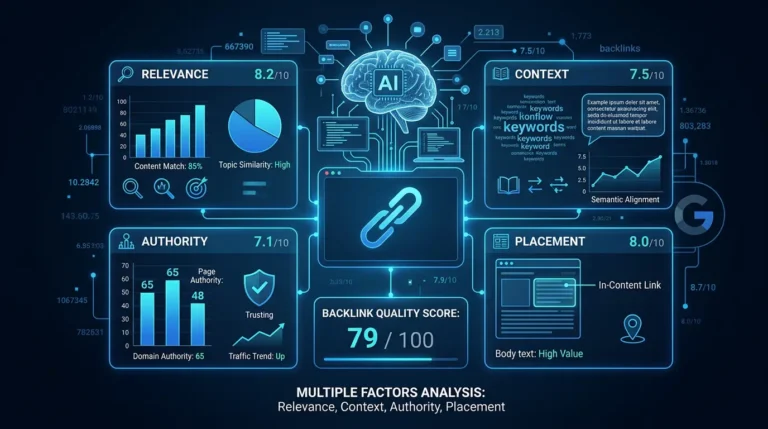
Table of Contents
Why Link Building in SEO Still Matters Despite Ongoing Debate
Search engines are much smarter than they were years ago. They can read words better, spot meaning, and understand what a page is really about. Even so, one basic problem has never gone away. A search engine still has to judge content it did not write or verify itself.
To do that, it looks outside the page. It looks for signs that other sites trust the content enough to point to it. Links still act as one of the clearest off-page SEO signals, not because they are perfect, but because they show real-world approval.
What has changed is how those signals are read. A link is no longer a simple vote. It now carries context. Where it comes from, why it exists, and how closely it fits the topic all matter. History matters too.
So the debate is not about whether SEO backlinks exist as a ranking factor. It is about which ones still carry weight and which ones search engines quietly ignore.
How Search Engines Use Links Today
Search engines no longer treat links as simple votes that push a page higher just because they exist. Today, links are read as signs of trust that sit within a wider story about relevance and credibility. When a well-known site links to another page, it tells search engines that the content has value in a specific topic area, not just that someone placed a link there.
To judge that value, search engines look at several quiet details at the same time. They check whether the two pages cover closely related subjects, whether the link appears inside real editorial content rather than a forced placement, and whether the site giving the link has a long history of publishing reliable material. Over time, these signals help algorithms tell the difference between genuine recommendations and links that exist only to influence rankings.
Because of this, raw numbers matter far less than they once did. Modern SEO gives more weight to where links come from than to how many you collect. A small set of SEO backlinks from trusted, industry-relevant sites can carry more influence than hundreds of links from unrelated pages. This approach makes it harder to manipulate results and rewards sites that earn attention through real expertise rather than volume alone.
What Has Changed About Link Building
Link building still matters, but it no longer works the way it once did. Tactics that pushed rankings fast now bring risk instead of reward. Search engines can spot links made only to influence results, and those patterns no longer hide. SEO backlinks from link exchanges, private networks, spam directories, or weak guest posts may show a short lift, but it rarely lasts.
What holds value now is simpler and harder to fake. Links earned through real coverage, useful research, digital PR, or honest brand mentions tend to stay strong because they reflect real trust. These links are not added to force rankings. They help rankings because they exist naturally, and search engines recognise that difference.
The Relationship Between Links and Content Quality
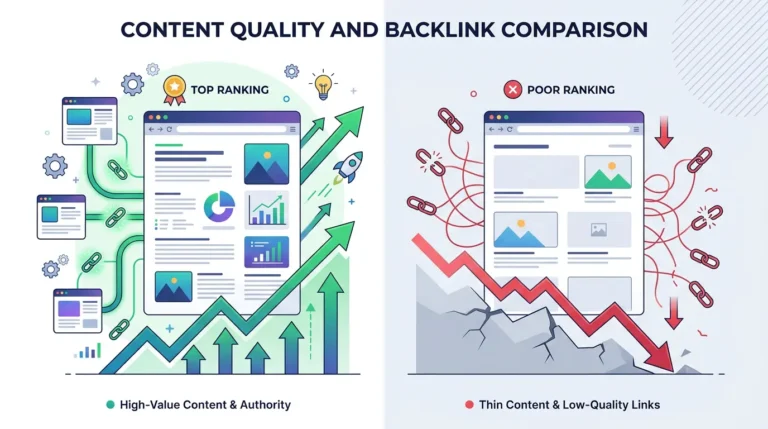
Links can lift a good page, but they do not fix a bad page. Search engines watch links to see what other sites trust. A link tells a search engine that a page is useful to someone else. Links add weight, but they do not add missing facts or a clear layout.
Why Strong Content Still Needs Links: How SEO backlinks Help Good Pages Stand Out in Busy Search Results
Good pages still need links to stand out. Many pages can answer the same question. When a page has useful words and clear answers, links help search engines choose it first. SEO backlinks from trusted sites act like votes from real people. They tell search engines which good page to show when many pages look right.
Why Links Fail Without On-Site SEO: Links Lose Power on Thin Pages, Bad Structure, or Broken Sites
Links do less when the page is weak. If a page has little helpful text, or the site is hard to use, links do not help much. If links point to thin content, messy pages, or pages with tech issues, search engines give less credit. A clean page that answers the question makes links count. Fix the page first, then add ways to earn links, and the site will do better.
Are Links Still a Core Google Ranking Factor?
Links still help, but they are only one part of how Google picks a page. Search engines look at many clues together. They check if the page answers the search, how people behave there, how deep the content is, and whether the brand seems real. SEO backlinks add proof, but they do not do the whole job alone.
Think of links as support. They lift good pages higher. They do not fix pages that are short, messy, or wrong. If users leave fast or the page has little real help, links matter less. Good content must come first, then links make that content stronger.
Google keeps links because they are hard to fake at scale. Real mentions from trusted sites still mean something, especially with natural link building or real digital PR links. So links stay in the mix, working with other checks to show which pages people can trust.
What Effective Link Building in SEO Looks Like Today
It’s less about the numbers game. What matters now is meaning, earning relevance in spaces that already hold trust. The shift is clear: search engines read links as authority signals within off-page SEO, which means where a link comes from carries significantly more weight than sheer volume. A handful of high backlink quality placements from the right sources will outperform dozens of weak SEO backlinks every time.
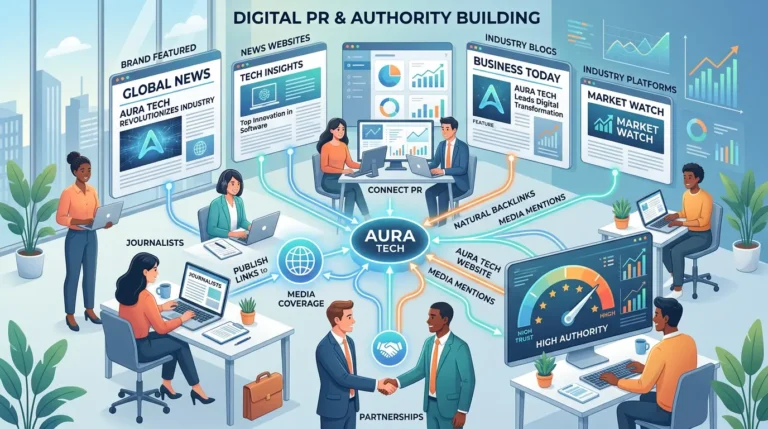
Digital PR and editorial coverage have become central to natural link building, mainly because publishers link to content that gives them something genuinely useful to share. Original insight? Clear data? Informed commentary? That’s what attracts digital PR links from industry sites, news outlets, and specialist platforms. And here’s the thing: these links deliver value that extends well beyond rankings. They build visibility. They strengthen brand trust. They create long-term authority signals that search engines continue to respect, and that’s not changing anytime soon.
Then there’s relationship-driven authority building, which supports sustainable growth by grounding your efforts in real connections. Think partnerships. Collaborations. Expert input within your field. When you earn SEO backlinks through shared work or recognised expertise, they reflect genuine involvement rather than transactions. Links that grow organically from these relationships align with how authority actually forms outside of search engines, making them harder to dismiss and significantly easier for algorithms to trust over time.
When Link Building Matters Most
Link building matters most when the space is crowded and small details decide who ranks. In high-intent commercial searches, many pages say similar things and target the same buyers. When content quality is close, links often tip the balance by showing which site others already trust.
Links also play a bigger role in saturated industries. In these spaces, good content is common. What separates one site from another is outside proof. Strong links help search engines see which brands carry weight and which ones are still finding their place.
When a site moves into new markets or new topics, links help speed up trust. Even solid pages can struggle at first because there is no history. Links from relevant sources act as early signals that the content belongs in that space.
Links are also useful when rankings stop moving despite strong content. If pages are clear, helpful, and well built but remain stuck, links often provide the missing push. They help search engines re-evaluate importance.
In low-competition niches, links still help, but they are less critical. Good content alone can go far when there is little pressure. As competition grows, links matter more
Conclusion
Link building in SEO still matters, just not the way it used to. You can’t treat it like a numbers game anymore. Chasing volume doesn’t hold up. What actually works is building authority that sticks around, the kind that grows steadily and doesn’t collapse when algorithms shift.
The best links in 2026 come from places that already fit what you’re talking about. They point to content people actually find useful, and they reinforce the expertise you’ve already demonstrated. A solid link doesn’t feel forced. It just makes sense where it is, like it was always meant to be there, not wedged in to manipulate rankings.
Search engines notice when things line up naturally: clear content, genuine trust, and links that belong. Shortcuts burn out fast. But if you stay consistent and keep everything aligned, that’s what keeps momentum going.
If you’re looking to build sustainable authority through link building in SEO, the right approach makes all the difference. At Midland Marketing, the focus is on earning links that actually carry weight, not just adding numbers. If you want a strategy that supports long-term growth, you can explore our Contact Us page and connect with the team to get started.
Frequently Asked Questions
Does link building in SEO still work in 2026?
Yes, link building in SEO still works in 2026 when links come from trusted and relevant sites rather than random sources.
What kind of SEO backlinks actually matter today?
The backlinks that matter today are the ones that feel natural, such as links placed inside real articles or guides where they help the reader, because links earned through genuine coverage or digital PR are trusted more than links added only for SEO.
How many backlinks does a website need to rank well?
There is no fixed number. A few relevant, trusted backlinks often outperform many low-quality links in search rankings.
Can poor-quality backlinks harm search rankings today?
Yes, poor backlinks from spammy or unrelated websites may weaken trust signals and reduce long-term ranking stability significantly.
How long does link building take to improve rankings?
Link building usually takes months before rankings change, because search engines need time to recognise authority signals.