

Birmingham Child Contact Centres
- Home
- Our Case Studies
- Web Design Case Studies
- Birmingham Child Contact Centres
Web Design and Referral Workflow Case Study
Web Design Packages
Web Design
The need for a clear and supportive website
Birmingham Child Contact Centres needed a website that felt calm, clear, and dependable from the first visit. Families and professionals had to find the right centre quickly, understand what to do next, and complete referrals without confusion. The existing site did not support this journey. Information was limited, referrals were unclear, and the path from enquiry to registration was not straightforward.
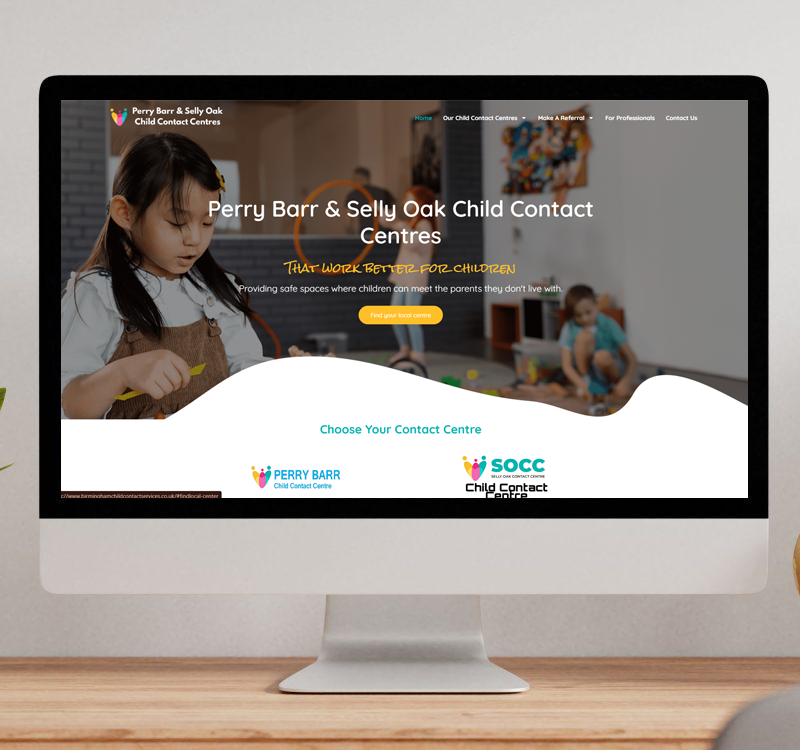
A smoother path from enquiry to registration
The new website changed how people move through the service online. Visitors can now select the correct contact centre, read clear information for that location, submit a referral, and complete registration in one continuous flow. Payment for registration fees is handled as part of the same journey, removing delays and follow-up steps.
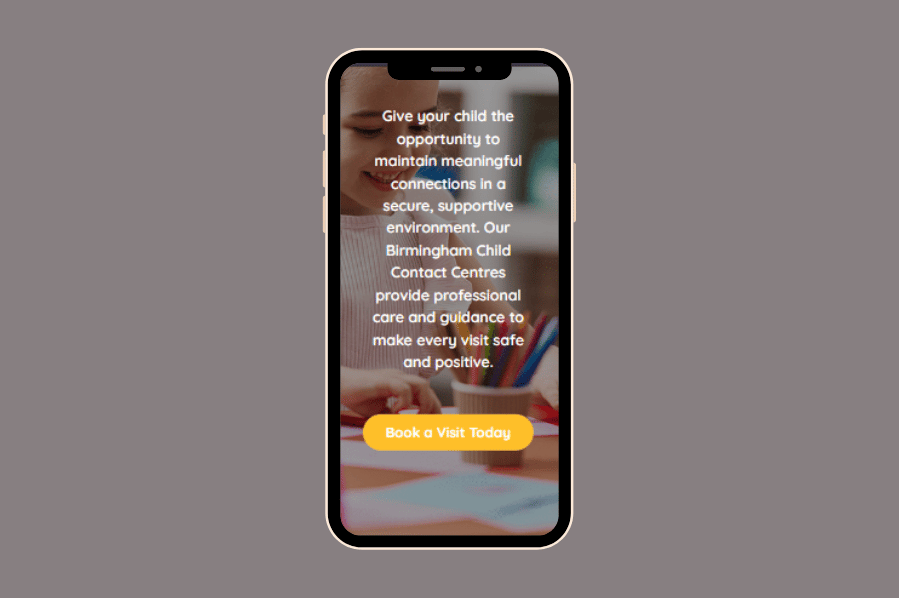
Turning clarity into confidence
The result is a site that supports trust and action at the same time. Families spend less time searching and more time understanding what to expect. Professionals can make referrals with confidence. Overall, the website now reflects the care, structure, and responsibility at the heart of Birmingham Child Contact Centres.
About the client
Overview
Birmingham Child Contact Centres provide safe and neutral spaces where children can spend time with parents they do not live with. Their work supports families during difficult periods, often alongside courts, social workers, and support services. Calm environments, clear processes, and trust are central to what they do every day.
Goals
The main goal was to make their services easier to understand online. Families and professionals needed clear information without legal language or confusion. The site had to explain what the centres offer, who the services are for, and how contact sessions work, all in a way that feels supportive rather than formal.
Challenges
Many visitors arrive feeling anxious or under pressure. The existing content made it hard to find answers quickly. Information was spread out and not always clear, which risked adding stress at a time when reassurance mattered most.
Our Approach
Designing a website that supports clarity, reassurance, and steady use over time.
Information-Led Structure
The website was built around people’s need to understand the service before taking action. Clear written information about contact centres, processes, and expectations was given priority. Pages were structured to help parents and professionals read calmly, without feeling rushed or overwhelmed.
Clear, Reassuring Journeys
Visitors are guided step by step. From choosing the right contact centre to understanding how contact works, each page leads naturally to the next. There are no dead ends or confusing jumps. This helps families stay focused and reduces uncertainty at an already sensitive moment.
Referrals Integrated Into the Content
Referral and registration steps sit alongside the information people are reading. Nothing feels bolted on. When users are ready, they can move forward without searching for forms or instructions elsewhere. This keeps trust intact and avoids unnecessary drop-offs.
Easy Updates for Staff Teams
The site was designed so that staff can update centre details, guidance, and documents without affecting the wider structure. This allows information to stay accurate as services change, without needing technical intervention or redesign work.
Calm and Consistent Across Devices
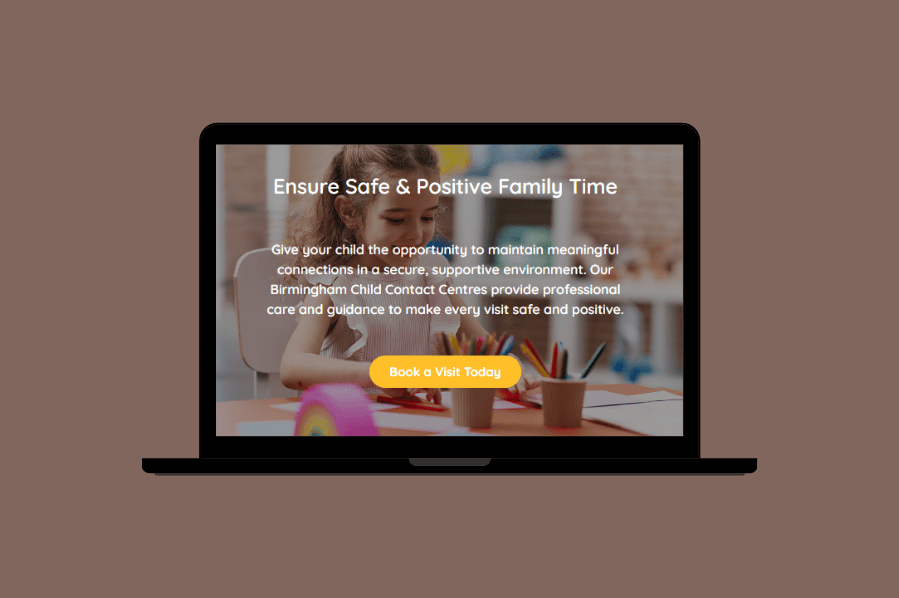
Whether viewed on a phone, tablet, or desktop, the experience remains steady and readable. Text is easy to follow, forms are simple to complete, and navigation stays familiar. This consistency supports users who may return to the site multiple times.
Designed to Support Ongoing Use
The structure allows the site to grow alongside the service. New centres, updated guidance, and additional resources can be added without clutter. Over time, the website continues to act as a reliable point of reference for families and professionals who need clear answers and a dependable process.
Our Strategy
Effective Web Design
01
A clearer understanding for families
Families can now understand the service without reading long explanations. Pages clearly explain what the centre does, who it helps, and what to expect from a visit. This reduced confusion and helped parents feel more prepared before making contact.
02
Reduced stress for first-time visitors
The new structure made it easier for visitors to find answers quickly. Clear wording and simple layout helped reduce anxiety for people already under pressure. Families could focus on the support available, not on searching for information.
03
Stronger trust with professionals
Professionals such as solicitors and support workers could easily understand how the centres operate. Clear explanations supported referrals and reduced follow-up questions. This made communication smoother and more consistent.
04
Improved service clarity
The content now explains contact arrangements in plain terms. This helped visitors understand boundaries, roles, and expectations. Clear language reduced misunderstandings and set the right tone before families arrived on site.
05
Better engagement from visitors
Visitors were more likely to make enquiries after reading the site. Clear guidance and supportive wording encouraged action without pressure. This improved engagement while keeping the tone respectful and calm.
06
An online presence that reflects real work
The website now reflects the care, structure, and responsibility shown in daily work. It presents the centres as reliable and supportive, helping visitors feel reassured before any contact takes place.