


Introduction
Search has changed. Results feel tighter. Answers appear before you even click. With the rise of AI search impact and tools like Google SGE, many businesses are quietly asking the same thing: Is Organic SEO still worth the effort in 2026?
It is. But not in the old way. Natural search optimisation today is less about chasing rankings and more about earning trust. Search engines now assess experience, expertise, authority, and credibility before rewarding search visibility. That shift reflects how people search. They want accurate answers, not keyword-stuffed pages.
Strong organic search optimisation builds steady organic search traffic over time. It supports a long-term SEO strategy instead of short bursts of attention. When backed by clear technical SEO, thoughtful on-page SEO, and real content optimisation, it becomes an asset that compounds.
The helpful content system reinforces this shift. Surface-level writing fades. Useful insight rises. Unpaid search optimisation in 2026 demands depth, clarity, and proof, not tricks.
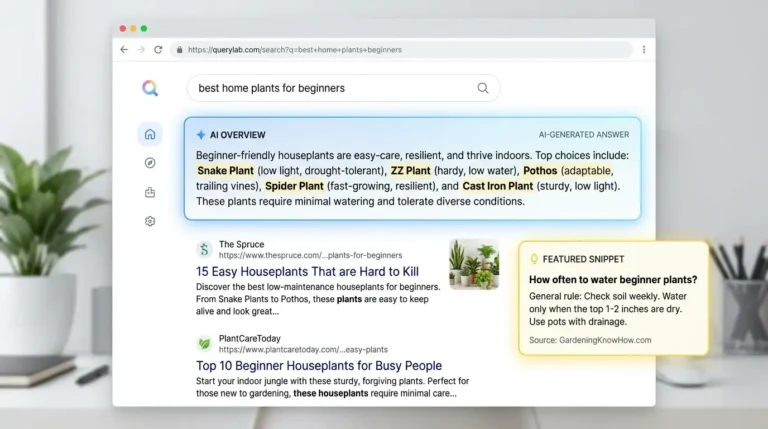
Table of Contents
What Organic SEO Means in 2026
In 2026, Organic search engine optimisation hasn’t changed at its core. It still revolves around earning visibility in unpaid search results. No ad budget cushioning mistakes. No shortcut levers.
What has changed is the presentation layer. Search visibility now stretches beyond blue links. AI summaries, featured snippets, rich elements; they all draw from pages that demonstrate clarity and authority.
Ranking first is useful. Being referenced is powerful. Organic search traffic today is less about occupying space and more about being relied upon.
How Organic SEO Differs From Paid Search
Paid search buys attention. Organic search engine optimisation earns it. With ads, traffic stops the moment the budget does. Simple as that. Organic visibility works differently.
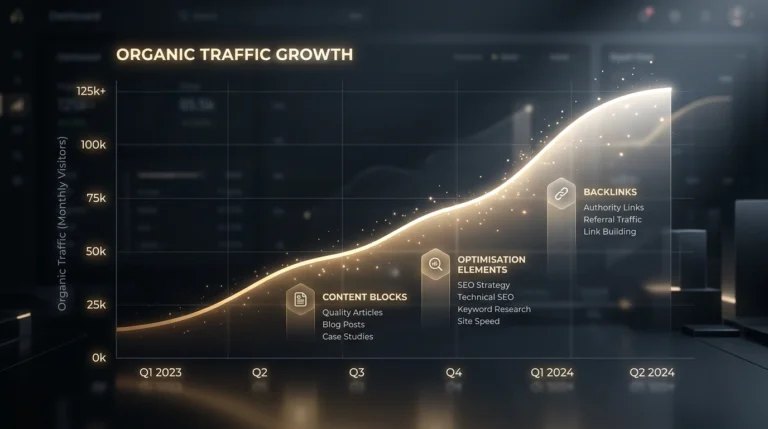
When built on a solid long-term SEO strategy, it compounds. A well-optimised page can generate organic search traffic for months, sometimes years, with steady refinement. That’s why many businesses treat organic search optimisation as an asset. It builds equity instead of renting space.
Why Natural Search Optimisation Still Matters Despite AI Search
There’s a common fear that AI search replaces SEO. It doesn’t. AI systems still need trusted sources. They summarise. They compare. They cite. And they pull from content that demonstrates clarity, authority, and search intent optimisation.
If anything, the helpful content system has raised the bar. Thin pages fade. Useful ones get surfaced. Strong organic foundations increase the chance your content is referenced inside AI-driven results, not just indexed. Organic search optimisation hasn’t disappeared. It has matured.
How Search Engines Evaluate Organic Rankings Today
If you strip away the noise, search engines are trying to answer one simple question: Is this page the right result for this person, right now?
Yes, there are thousands of signals involved in earned search visibility. But most of them connect back to three practical areas you can control: relevance, quality, and authority. That’s it. Not tricks. Not loopholes. Just alignment.
Strong organic search optimisation starts by making your page obviously relevant. Then it proves its usefulness. Over time, it earns trust. When those pieces work together, search visibility improves naturally.
Search Intent Alignment
Many pages miss the mark for one reason: they answer the wrong question. Search intent optimisation means understanding why someone searched in the first place. Are they researching? Comparing options? Ready to buy? Each intent type demands a different structure.
An informational query needs clarity and explanation. A commercial query needs comparisons, proof, and reassurance. A transactional query needs simplicity and confidence.
If your content feels slightly “off,” rankings stall. Not because of keywords, but because the page doesn’t match the user’s decision stage. Organic search traffic grows when the format, tone, and depth reflect real intent, not assumptions.
Quality, Usefulness, and Content Depth
Quality is no longer about word count. It’s about coverage. Search engines look for signals that a page genuinely understands the topic. Does it answer follow-up questions? Does it remove doubt? Does it demonstrate subject knowledge rather than surface-level summaries?
Thin content fades quickly. Rewritten versions of the same idea don’t build authority. What works now is content optimisation built around completeness. That might mean examples. Context. Clear explanations. Sometimes, even admitting trade-offs.
Depth doesn’t mean longer paragraphs. It means fewer unanswered questions. And that’s what strengthens a long-term SEO strategy.
The Core Pillars of Natural Search Optimisation
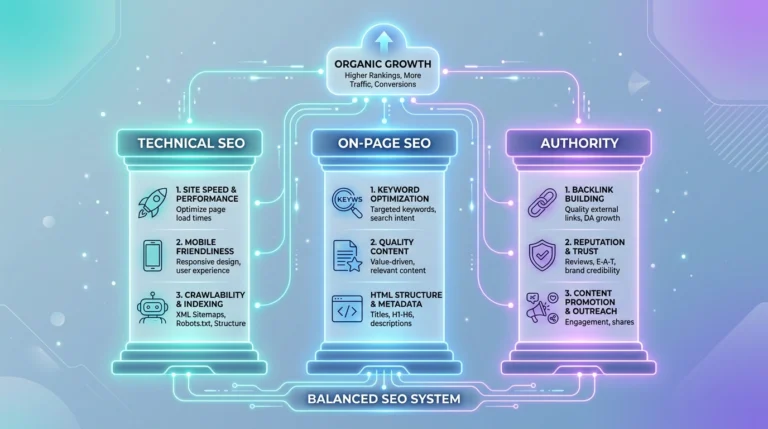
You can’t build unpaid search optimisation on one strong page and hope it holds. It’s more like a framework. If one part is weak, the rest feels it. Real organic search optimisation happens when structure, clarity, and credibility move in the same direction. Miss one, and growth stalls. Get them aligned, and search visibility becomes far more stable.
Technical SEO Foundations
Technical SEO is the part no one sees. And yet, it decides whether anything else works. If a site loads slowly, breaks on mobile, or confuses search engines with messy internal linking, organic search traffic suffers. Not because the content is poor, but because it’s hard to access or interpret.
Search engines need clean pathways. Clear index control. Logical architecture. Structured data that adds context rather than clutter. Think of technical SEO as groundwork. You don’t admire foundations, but without them, nothing stands for long.
Many long-term SEO strategy failures trace back to technical neglect. It’s rarely dramatic. Just small friction points that compound.
On-Page Optimisation
On-page SEO is where intent becomes visible. Headings guide understanding. Internal links signal relationships. Metadata shapes first impressions. Strong content optimisation makes a page easy to scan and easy to trust.
In 2026, stuffing keywords feels outdated. Search intent optimisation matters more. Clarity beats repetition. If a page explains a topic naturally and answers real questions, relevance becomes obvious. Good on-page work doesn’t feel forced. It reads like it was written for a human first. Because it was.
Authority and Trust Signals
Authority builds quietly. Backlinks still matter. So do brand mentions and consistent coverage of related topics. But it’s less about chasing links and more about becoming reference-worthy.
Search engines assess patterns. Does this site regularly publish thoughtful material in its niche? Do others cite it? Is there depth beyond a single page? Natural search optimisation strengthens when a brand earns recognition, not just rankings. Over time, that trust compounds, and so does visibility.
How Organic Search Traffic Has Changed Heading Into 2026
A few years ago, unpaid search optimisation felt simpler. Rank high, get clicks, repeat. That model still exists, but it’s no longer the whole picture. Search visibility now spreads across classic listings, featured snippets, and AI-generated overviews. Organic search optimisation has shifted from chasing positions to earning inclusion.
The surface changed. The fundamentals didn’t. Relevance, clarity, and authority; they still drive long-term SEO strategy. The difference is where and how your content appears.
The Impact of AI and Search Generative Experiences
AI search doesn’t just list pages. It interprets them. It pulls short answers into summaries. It compares sources. It highlights specific sections. That means content optimisation must go beyond ranking signals. It must be structured clearly enough to be extracted.
Featured snippets. AI summaries. Zero-click results. These are now part of organic search traffic. Ranking first is useful. Being referenced inside AI search impact? Often better.
Brand Signals and Topical Authority
Winning one keyword isn’t enough anymore. Search engines look for patterns. Consistency. Breadth. If a site repeatedly publishes thoughtful, connected content within a niche, it earns topical authority.
That’s where search intent optimisation becomes strategic. Instead of isolated pages, you build clusters around real problems. Over time, brand recognition strengthens, and so does sustainable search visibility.
Getting Started With Organic Search Traffic the Right Way
Most businesses start organic search traffic the wrong way. They open a tool. Pull a list of keywords. Chase volume. It feels productive. It isn’t.
Strong organic search optimisation starts with clarity. Who are you trying to reach? What are they worried about? What decision are they trying to make? Without those answers, even the best long-term SEO strategy turns into guesswork. Tools help later. Direction comes first.
Understanding Your Audience and Search Demand
Organic search traffic doesn’t appear because a keyword exists. It appears when your content matches a real need.
Some users want quick explanations. Others are comparing providers. Some are ready to act. Each stage carries different expectations. Different language. Different depth.
Search intent optimisation means stepping into that moment. Ask simple questions: What problem triggered this search? What doubts are they carrying? What would make them confident enough to move forward?
When businesses skip this thinking, content feels slightly off. It ranks poorly. Or worse, it ranks and doesn’t convert. Clarity around audience demand sharpens everything else, content structure, tone, and even technical SEO priorities.
Building Content Around Problems, Not Keywords
Keywords point you toward a topic. Problems shape the page. Effective content optimisation starts with real-world friction. It includes objections, comparisons, costs, risks, and decision criteria. When you build around those elements, search visibility grows naturally because usefulness becomes obvious.
Yes, keywords still matter in organic search optimisation. But forcing them into thin pages rarely works in 2026. Search engines reward substance. The helpful content system filters out noise. Pages that genuinely resolve uncertainty tend to perform better over time. Focus on solving something specific. Do that consistently. Organic search traffic momentum follows.
Measuring Organic Search Traffic Success
If you only track rankings, you miss the point. Organic search engine optimisation is not a scoreboard. It’s a growth channel. Search visibility matters, but it must connect to real outcomes. Otherwise, you are just collecting impressions. Strong organic search optimisation looks at behaviour, not just position.
Metrics That Actually Matter
Instead of chasing top spots, look at signals that show impact:
- Organic search traffic quality – Are the right people landing on your pages?
- Engagement and dwell time – Do they read, scroll, and click through?
- Assisted conversions – Does your content support decisions later on?
- High-intent query coverage – Are you visible when buyers are close to action?
Search intent optimisation often makes the difference here. A page can rank and still fail if the intent is off. Traffic without traction is noise. Useful traffic drives movement.
Timeframes and Expectation Setting
Unpaid search optimisation builds slowly. Then it compounds. Early progress may feel small, but better crawl rates, slight traffic lifts, and stronger engagement. That’s normal.
A long-term SEO strategy depends on consistency, technical SEO stability, and authority signals growing over time. Impatience kills momentum. Organic growth rewards persistence, not quick exits.
Common Mistakes Businesses Still Make With Organic Search Traffic
You would think by 2026 the basics would be clear. They aren’t. Many businesses still approach organic search optimisation like a checklist. Optimise a few pages. Add keywords. Wait. When results stall, they blame the algorithm. Usually, the issue is simpler. The strategy is misaligned.
Over-Focusing on Keywords Instead of Outcomes
Keywords matter. Of course they do. But organic search optimisation is not a numbers game. Chasing volume without asking what that traffic should do creates a gap. Pages rank. Visitors arrive. Nothing happens.
The problem often sits here:
- Targeting broad terms with weak commercial intent
- Ignoring search intent optimisation
- Measuring success by position, not performance
A long-term SEO strategy should support revenue, leads, or brand authority. If organic search traffic does not move the business forward, rankings become vanity metrics. Outcomes first. Keywords second.
Treating SEO as a One-Time Project
This one is common. A company invests in technical SEO, publishes content, builds a few links, and then stops. Months later, visibility drops. Confusion follows. Search behaviour shifts. Competitors improve. The helpful content system updates. Static strategies decay quietly.
Natural search optimisation needs steady refinement. Small adjustments. Fresh insights. Continued content optimisation. It’s not a campaign you “complete.” It’s an asset you maintain.
Conclusion
Organic SEO remains one of the most reliable ways to build sustainable growth in 2026. Search interfaces evolve. AI systems summarise answers. Algorithms shift. Yet the fundamentals stay steady: relevance, quality, authority.
Businesses that invest in unpaid search optimisation as a long-term SEO strategy gain more than rankings. They earn trust. They build consistent organic search traffic. They strengthen search visibility across traditional results and AI-driven experiences. This is not about shortcuts. It is about building durable assets.
At Midland Marketing, we help businesses create practical organic search optimisation strategies that align with real commercial goals. No gimmicks. No vanity metrics. Just structured growth.
If you want Organic SEO that works beyond quick wins, speak to Midland Marketing today. Let’s build visibility that lasts.
Frequently Asked Questions
What is Organic SEO in simple terms?
Organic search engine optimisation is the slow, steady craft that helps your site appear in unpaid search. It mixes relevance, technical stability, trusted signals, and helpful content, so search engines choose you.
How long does Organic search engine optimisation take to show results?
You might see small gains in 3–6 months. Building real authority and consistent organic traffic usually takes longer; patience pays.
Is Organic search engine optimisation better than paid ads?
Different tools for different goals. Ads buy attention now; organic builds durable visibility and trust. No shame in both.
How does AI search impact Organic search engine optimisation?
AI systems summarise and cite sources. Clear, useful content boosts the chance you’re referenced in AI answers and SGE.
What are the main parts of organic search optimisation?
Think technical SEO, on-page clarity, content depth, links, and intent alignment.