


Introduction
Expanding into new countries feels exciting. New audiences. New revenue streams. Bigger reach. Yet many businesses rush this decision. They choose markets based on assumptions. Population size looks promising. GDP seems attractive. Then reality hits. The demand simply isn’t there. This is where data-driven market research becomes essential.
Modern businesses no longer rely only on economic reports. Instead, they examine digital behaviour. Search engines quietly reveal what people want. Millions of searches happen every day. Each one leaves behind a small clue about demand. Patterns begin to appear. Certain products trend in one region but not another. Some countries show a strong interest in surprisingly low competition.
For global marketers, these signals are powerful. They guide decisions about where to expand and where to wait. Companies using data-driven market research rely on search behaviour, competitive insights, and digital trends. These signals reduce guesswork. Instead of chasing every market, teams can focus on countries where real opportunities already exist. Below are several practical ways marketers use data-driven market research to uncover high-demand international markets.
Table of Contents
Why Data-Driven Market Research Matters for International SEO Strategy
International growth rarely succeeds without preparation. Data plays a major role here. Without it, expansion becomes risky.
Understanding Global Search Demand Patterns
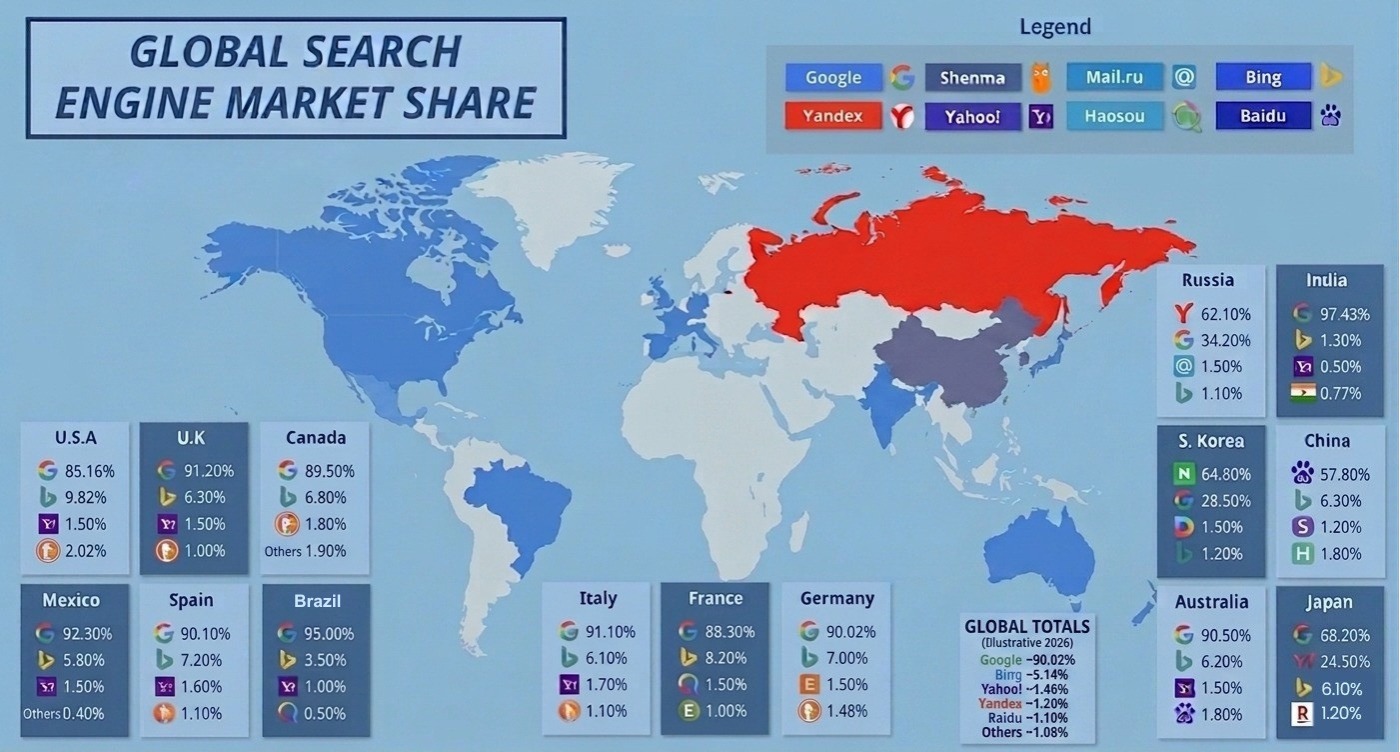
Search behaviour often reveals demand before traditional reports do. When people search for something repeatedly, the pattern signals genuine interest. Marketers study global keyword demand across regions. Tools reveal search volume by country, showing where interest appears strongest.
Sometimes the differences are dramatic. A product that performs well in Germany might barely register in Spain. The same service may surge in Singapore while demand declines elsewhere. Tracking these patterns helps marketers detect early signals of opportunity.
Identifying Market Demand Through Search Behaviour
People search when they need answers. That simple action creates valuable data. Search queries reveal problems users want solved. They also highlight cultural preferences and purchasing habits.
For example, two countries might search for the same type of service but phrase the query differently. These country-level search trends help marketers understand how audiences behave locally. Over time, these insights guide smarter decisions about content, targeting, and expansion.
Aligning Market Research with International SEO Strategy
Good research helps teams choose the right markets. Without clear data, companies may enter the wrong countries. This can waste time and money.
Search data gives useful signals. It shows where people look for products and services. These signals help marketers see where demand exists.
Businesses also watch market trends. They study how interest grows in different regions. When demand and trends match, the market looks stronger.
This approach supports an international SEO strategy. Companies use data instead of guesses. Clear numbers guide the decision. As a result, businesses choose countries with better chances for growth.
Using Data to Find High-Demand Countries
Clear data helps teams choose better markets. Early signals often appear in search activity. Businesses study these signals before expanding. They review demand, competition, and market strength. This process reduces guesswork.
Careful research helps identify countries with growth potential. Companies that follow data can avoid costly mistakes. Instead of guessing, they rely on real demand signals.
Checking Search Demand Across Countries
Search activity often shows early interest. People search when they need solutions. These searches reveal useful market signals.
Marketers review keyword demand in many regions. They compare search volume and rising topics. This helps them see where interest is increasing.
Demand rarely appears suddenly. Most trends grow slowly over time. Businesses that track search activity closely can notice changes early. These signals often reveal new markets before competitors respond.
Reviewing Competitors in Each Market
Demand alone cannot guide expansion. Competition also shapes market opportunity.
Some countries show strong search activity. However, search results may already be controlled by powerful brands. Competing in such markets can require heavy effort.
Marketers, therefore, study competitors carefully. They review which websites rank and how strong their content appears. Backlink strength also reveals market dominance.
Sometimes the picture looks different. Demand may exist while competition remains limited. These markets often provide better entry opportunities.
Evaluating Market Opportunity with Data
True opportunity appears when demand and competition align. Both signals must be studied together.
Businesses compare search demand with competitor strength. This step forms the basis of international market opportunity analysis.
When demand grows and competition stays moderate, the market becomes more attractive. Such regions often provide a strong starting point for expansion.
Important Market Signals That Reveal Global Demand
Global teams often study data before entering new markets. Good research shows where interest is growing. It also shows where people are searching more often. These signals help businesses focus on the right countries.
Analysing Global Search Trend Data
Search trends can show rising interest. When many people search for the same topic, demand may be growing. Marketers watch these changes closely.
Tools that track global search trend analysis help teams notice these shifts early. A sudden spike in searches may signal a new market opening. Slow and steady growth can also reveal stable demand. Businesses that study these patterns often spot new opportunities sooner.
Studying Country-Level Keyword Demand
Search words often change by country. Even when people speak the same language, they may search in different ways. This is where cross-border search demand insights become useful. Marketers compare keyword phrases, search frequency, and local terms.
These small differences reveal how people describe the same need. Understanding them helps businesses adjust their content for each region.
Tracking Digital Growth Indicators Across Regions
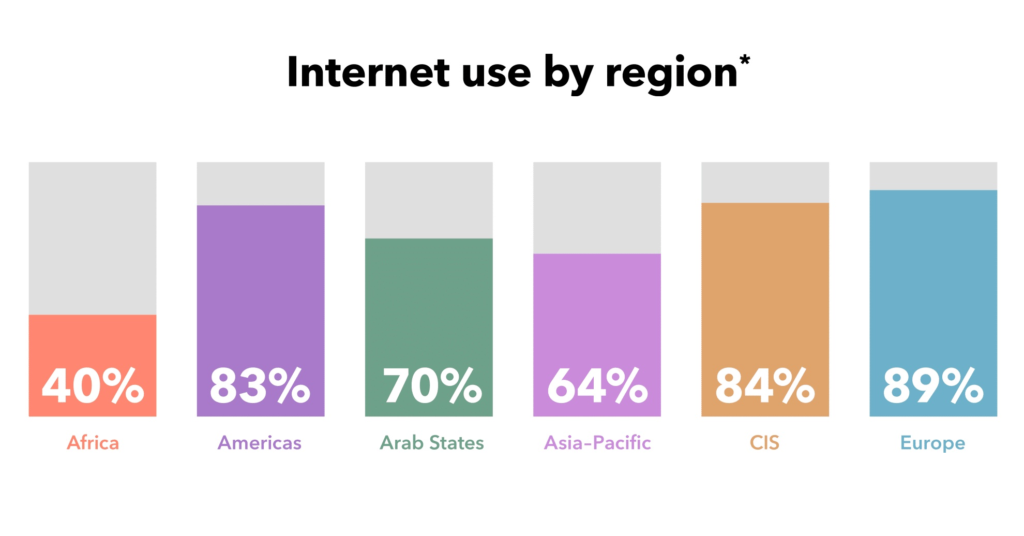
Search demand alone does not tell the whole story. A market also needs strong digital access. Marketers review several signals before entering a country. These include internet access, mobile usage, and online buying habits.
Regions where internet use is rising often show strong future demand. These signals also help businesses improve international audience targeting and reach people where online activity continues to grow.
Turning Research Data into a Global Market Plan
Research only helps when businesses use it. Data should guide real decisions. It shows where demand is strong. It also shows where competition is lower. With the right insights, companies can plan international growth more carefully.
Choosing Countries with Strong Demand
Not every market offers the same value. Some countries show strong interest, but also heavy competition. Others show steady demand with fewer strong competitors.
Businesses review search demand first. They then compare how many competitors appear in search results. This helps teams decide which countries deserve attention.
When demand looks healthy, and competition stays moderate, the opportunity becomes clearer. These markets often provide better entry points for global expansion.
Planning Market Entry with Clear Data
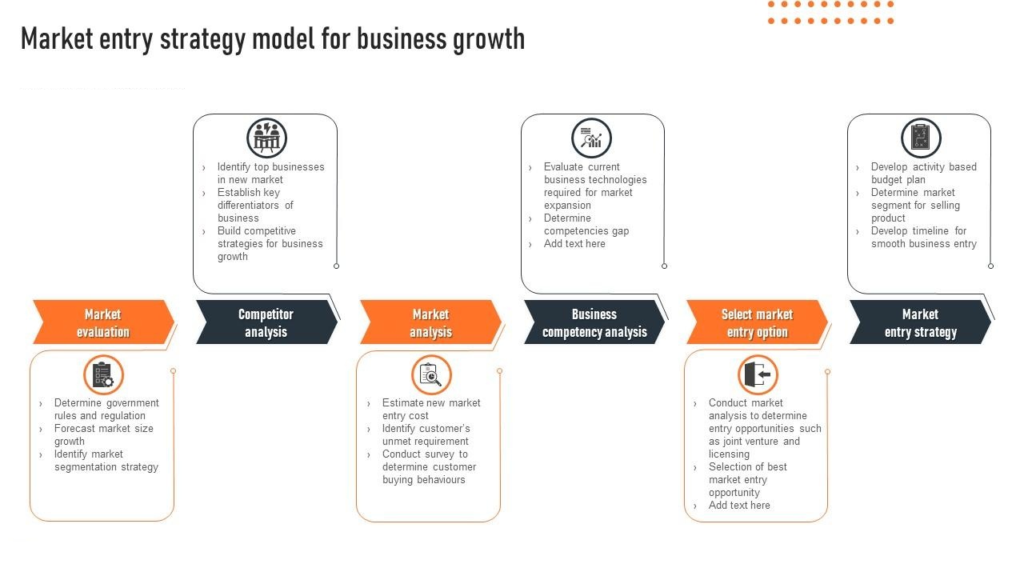
Once target countries are identified, planning begins. Businesses use research findings to shape their expansion plans.
Teams examine logistics, language needs, and local partnerships. They also consider digital access and customer behaviour. These details help businesses prepare before entering a new market.
Clear data reduces uncertainty. Companies can move forward with stronger confidence when their decisions rely on evidence rather than assumptions.
Building SEO Strategies for Each Market
After planning comes execution. Businesses begin developing search strategies for each selected market.
Local content plays an important role. Companies create pages that match local search behaviour. They also choose keywords people actually use in that country.
Messaging may change as well. Cultural differences affect how audiences respond to marketing. When SEO campaigns reflect local language and habits, businesses connect more effectively with new audiences.
Common Mistakes Businesses Make in Global Market Research
Even experienced teams sometimes overlook key signals when choosing new markets. Small gaps in research can lead to costly decisions later. Understanding these common mistakes helps businesses make better choices when analysing international opportunities.
Relying on Population Instead of Demand Data
A large population can look promising at first. Many businesses assume more people means more customers. In reality, demand does not always follow population size. Some large countries may show very little interest in certain products or services.
Search behaviour often tells a clearer story. When people actively search for a solution, demand becomes visible. Without these signals, expansion plans can rely on weak assumptions.
Common problems businesses face:
- Assuming population equals strong demand
- ignoring search demand analysis before expansion
- overlooking search volume by country
- missing signs of low digital engagement
Studying real search activity helps companies avoid entering markets that appear large but lack meaningful demand.
Ignoring Local Search Behaviour
People do not search the same way in every country. Language, culture, and local habits shape how users phrase their queries. Direct translations often fail to capture how people actually search.
A keyword that works well in one market may perform poorly in another. Even countries sharing the same language can use different terms for the same need.
Ignoring these patterns creates problems for international campaigns.
Key issues businesses often miss:
- differences in country-level search trends
- local terminology and regional expressions
- variations in user intent across markets
- cultural context behind search queries
Careful data-driven market research helps marketers understand these differences. When businesses adapt content to local search behaviour, campaigns connect more effectively with real audiences.
Overlooking Competition Signals
Strong demand can look exciting. It feels like an open door. Yet demand alone never tells the full story. Competition shapes what happens next.
Some markets attract many established brands. These companies often control the top search results. Their sites carry authority. Their content runs deep. Their backlink networks grow over the years.
Businesses sometimes skip this step. They study demand but ignore competitors. That shortcut can create trouble later. Entering such markets then becomes slow and costly.
Marketers, therefore, review several signals first:
- Strength of websites already ranking first
- domain authority of key competitors
- quality and depth of existing content
- insights from careful competitor market analysis
When these signals look balanced, the opportunity improves. In some regions, demand exists, but competition remains lighter. Those markets often offer a clearer path for new entrants.
Conclusion
Choosing the right country needs careful thought. In the past, many companies relied on instinct. Today, decisions depend far more on data. This change helps businesses avoid costly mistakes.
Strong data-driven market research reveals where real demand exists. Search behaviour offers valuable clues. People show their needs through everyday searches online. These signals help marketers see where interest continues to grow.
Competition data adds another important layer. Some countries show strong demand but crowded markets. Others reveal steady interest with fewer competitors. When both signals are reviewed together, opportunities become clearer.
Companies that follow this approach make smarter decisions. They invest time and resources more carefully. Instead of entering many markets at once, they focus on regions where demand already exists.
If your business is planning international growth, expert guidance can help. The team at Midland Marketing supports organisations with research-led international SEO strategies and market targeting. To learn how a data-driven approach can support your expansion plans, visit the Midland Marketing Contact Us page and speak with their team.
With the right research and strategy, identifying high-demand countries becomes far more predictable and far less risky.
Frequently Asked Questions
What is data-driven market research in international SEO?
Data-driven market research studies online behaviour. It looks at search demand and market signals. Businesses review keyword searches across different countries. They also check competition levels in search results. This information reveals where real demand exists.
Why is data-driven market research important for global expansion?
Global expansion involves risk. Data helps reduce that risk. Research shows where people actively search for solutions. It also highlights markets with manageable competition. Businesses can then focus on countries with stronger potential.
How do companies identify high-demand countries using search data?
Companies analyse search patterns across regions. They study keyword trends and rising search topics. They also review competition in search results. These signals reveal markets where interest continues to grow.
What tools help with data-driven market research?
Marketers often use simple research tools. Google Trends shows changing search interest. Keyword Planner reveals search demand. SEO research platforms provide competitor insights. Analytics tools also help track user behaviour.
What factors should businesses analyse before entering a new country?
Several factors influence market potential. Businesses review search demand first. They also study competitors already present. Language differences affect search behaviour. Digital access and online activity also shape demand.