

How AI is Changing the E-commerce SEO Game
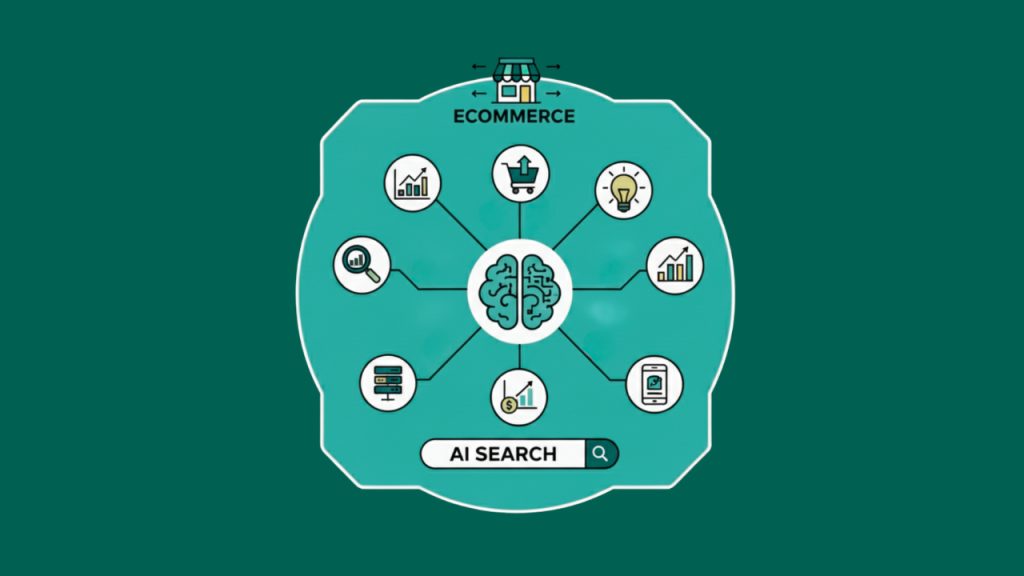
AI search optimization for e-commerce is no longer an idea. It is practice. Search engines now use models that read meaning, not keywords. These models look for context. They aim to match intent. For e-commerce sites, that matters a lot. Product pages must be clear, factual, and helpful. They must speak the way customers speak.
Traditional e-commerce SEO focused on link counts and exact-match keywords. Today, semantic understanding and AI-driven search ranking shift the balance. Search engines try to infer what a shopper wants. They use signals from product data, images, user behaviour, and content. If you adapt, your products gain visibility. If you do not, your listings can fall behind.
This post gives a step-by-step plan for AI search optimization for e-commerce. It aims at digital marketing managers, SEO specialists, product managers, and SaaS teams. Follow these steps to make product discovery work better for real shoppers and for AI.
Table of Contents
Optimise Product Data with AI in Mind
Use Structured Data for Better Understanding
Structured data is a technical tag set. It tells search engines what your content means. For e-commerce, use schema types like Product, Offer, AggregateRating, and Review. Include fields such as price, availability, brand, SKU, and rating. Use JSON-LD in the page head. It is easy to add and easy for crawlers to read.
Benefits are direct. Rich results can show price, stock, and stars. That increases click-through rates. AI systems parse structured data to match queries to products. Better markup means clearer signals. It helps AI surface the right item for queries like “waterproof jacket size large.”
Keep Product Titles and Descriptions Natural & Contextual
Write titles and descriptions for people first. Avoid stuffing the primary keyword or repeating the same phrase. Use short, clear titles that include brand and model when needed. In descriptions, focus on how the product solves a problem. Use customer terms and context. AI understands synonyms and related phrases. So use varied language like “running shoe” and “jogging trainer,” where relevant.
Make bullet lists for specs. Use plain sentences for benefits. Include use cases, materials, and fit notes. Keep the voice consistent with your brand, but keep words simple. This improves e-commerce content optimisation and helps AI match high-intent searches.
Leverage AI Tools for Keyword and Trend Discovery
Use Predictive Analytics to Identify Buyer Intent
AI tools help find emerging queries and buyer needs. Start with tools like Google Trends for macro shifts. Then use AI writing and keyword tools. For example, an SEO product like SurferSEO can mine long-tail phrases. Look for intent markers: “best,” “for beginners,” “cheap,” “fast shipping,” and “where to buy.”
Predictive search trends state terms that are likely to grow. Pair those with product data, and you can spot demand early. Long-tail, intent-driven keywords may convert better. They map to real sales questions. Aim for queries that state immediate buy intent or a clear need.
Enhance Visual Search Readiness
Optimise Images for AI Recognition
Images are key to e-commerce product visibility. AI-driven image search drives traffic through apps like Google Lens and Pinterest Lens. To prepare, use high-quality photos with clear backgrounds and many angles. Name files with descriptive phrases. Add alt text that is helpful and direct: “men’s waterproof hiking boot brown size 10.”
Also include images that show scale and context. Lifestyle shots help AI and users understand fit and use. Structured image data, such as image fields in schema markup, also helps. Product feed optimization must include images. When visual signals are strong, products can appear in image search and discovery.
Create Conversational Content for Voice & Chat Search
Adapt to Natural Language Queries
Voice search and chat interfaces use conversational phrases. AI search favours natural language. Write content that answers full questions. Use FAQ sections for common queries. Example: “What’s the best running shoe for beginners?” Then follow with a short, clear answer and a link to product pages.
Conversational content must be direct and easy to scan. Use short paragraphs and clear headers. Include microcopy on product pages that answers likely follow-up questions. It includes return policy, fit, and shipping times. This helps voice search, e-commerce SEO, and chat-based discovery in on-site search engines.
Personalise User Experience with AI
Tailor Content and Recommendations
AI shines at personalisation. It can match products to users based on past behaviour, context, and signals. Use recommendation engines and personalisation tools to show relevant items. Examples include Dynamic Yield, Salesforce Einstein, and many specialised SaaS products. They can adjust banners, product lists, and email content in real time.
Personalisation increases engagement and time on site. That sends positive signals to AI search systems. It can also reduce bounce rates and raise conversion rates. Product managers and merchandising teams should feed the same clean product data. It must be suitable for engines and search. Consistency in the product feed optimisation improves outcomes.
Focus on Content Clustering and Topic Authority
Build AI-Friendly Content Architecture
AI rewards depth and clarity. Build content clusters around product categories and buyer intent. Link product pages to category pages, to how-to guides, and to reviews. A cluster might include a long-form guide on “how to choose trail running shoes,”. It must consist of product pages, videos, and FAQs.
This structure helps AI see topical coverage. It helps search models understand that your site is an authority on a subject. Use internal linking with clear anchor text. Keep clusters practical and user-focused. Topic authority improves long-term product visibility in AI-driven search ranking.
Monitor, Measure, and Adapt Continuously
Use AI Analytics to Track Performance
Monitoring is not optional. Use analytics tools like GA4 and Search Console. Also consider AI-driven analytics that predict issues. Track queries that drive clicks and queries that fail to convert. Watch user journeys and search logs. On-site search data can reveal gaps in your product descriptions and content.
Set KPIs for visibility and revenue. The following are the examples: Impression share for product queries, CTR from rich results, and conversion rate. Use A/B tests to confirm changes. AI search algorithms change. Continuous testing keeps you aligned and agile.
Conclusion
Future-Proofing Your E-commerce Store for AI Search
AI search optimisation for e-commerce is a mix of craft and systems. It requires clear product data, smart content, and tools that learn and adapt. Structured data and good images make products visible. Conversational content and personalisation make them relevant. Content clusters build trust. Analytics guide decisions.
Invest in simple, repeatable processes. Feed your product platform with accurate data. Train teams to write for people and AI. Test often and keep your tech stack aligned. With these moves, e-commerce product visibility improves. You will meet customers where they search, speak, and make it easy for AI to recommend your products.
Embrace the change. Start small, measure one change at a time, and scale what works. The payoff is sustainable. Better search presence, conversion, and a stronger brand help. It improves user behaviour and rewards clarity.