


Introduction
Running Google Ads without knowing who you face is like stepping into a busy market at night. You can shout and hope someone hears you, or you can map the crowd, see who draws attention, and learn what they say. Google Ads competitor analysis gives you that map.
It reveals who bids on the same terms. It also explains how rivals write ads, what landing pages they use, and where you might press an advantage. This explains the Google Ads competitor analysis and their outstanding performance.
Table of Contents
Why Google Ads Competitor Analysis Matters
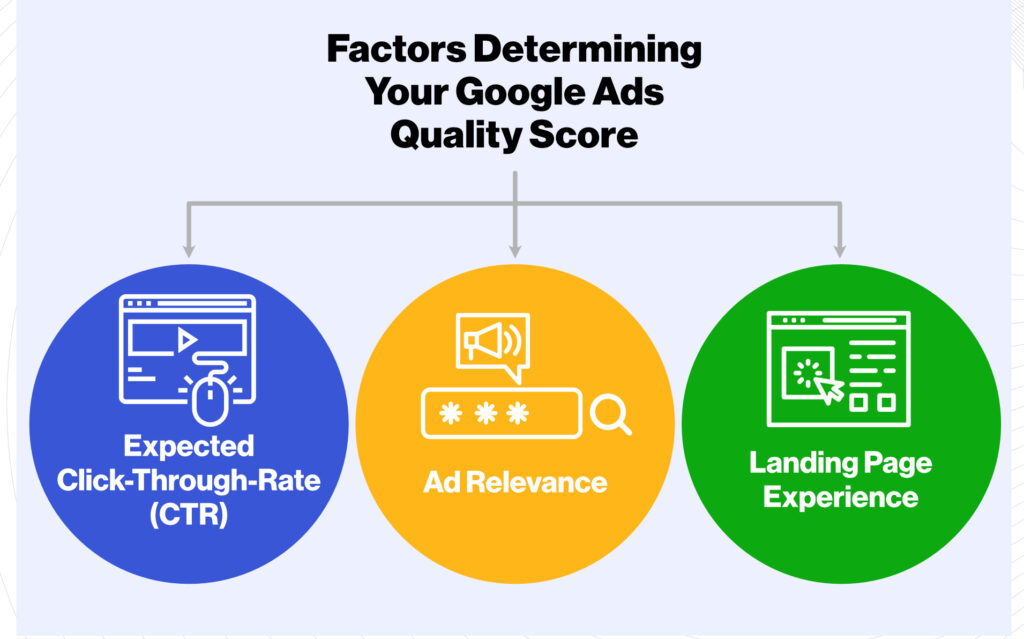
Google Ads is a real-time auction. Every search is a mini-contest. Your ad rank depends on several things. It covers bidding cost, ad relevance, click rates, and how strong the landing page is. Competitors change those rules by raising bids. It tests new creatives or expanding keyword reach. If you ignore what they do, you will see the effect only as higher costs and fewer conversions. Regular PPC competitor research keeps you informed and in control.
Understanding the Auction Environment
The auction decides who appears and where. Key inputs include bid amount, ad relevance, click-through rate, and landing page experience. These things together form an ad rank. When a competitor improves one factor, they can gain position without raising bids. That is why Google Ads auction insights are vital. They show the shifts before your metrics slip too far.
Reducing Cost Per Click and Wasted Spend
Without competitor awareness, you may overbid on keywords where competition is intense. Also, margins can be low. Alternatively, you may miss opportunities where competitors are absent or weak.
Strategic competitor research allows you to:
- Identify over-saturated keywords
- Discover underutilised search terms
- Improve ad messaging differentiation
- Divide the budget more efficiently
Strengthening Positioning and Differentiation
If every advertiser in your industry uses similar headlines and offers, your ads blend in. Google Ad Competitor analysis reveals:
- Common messaging patterns
- Offer structures
- Promotional angles
- Calls to action
You can then position your brand differently to stand out in crowded auctions.
Identifying Your True Google Ads Competitors
Direct Business Competitors vs Auction Competitors
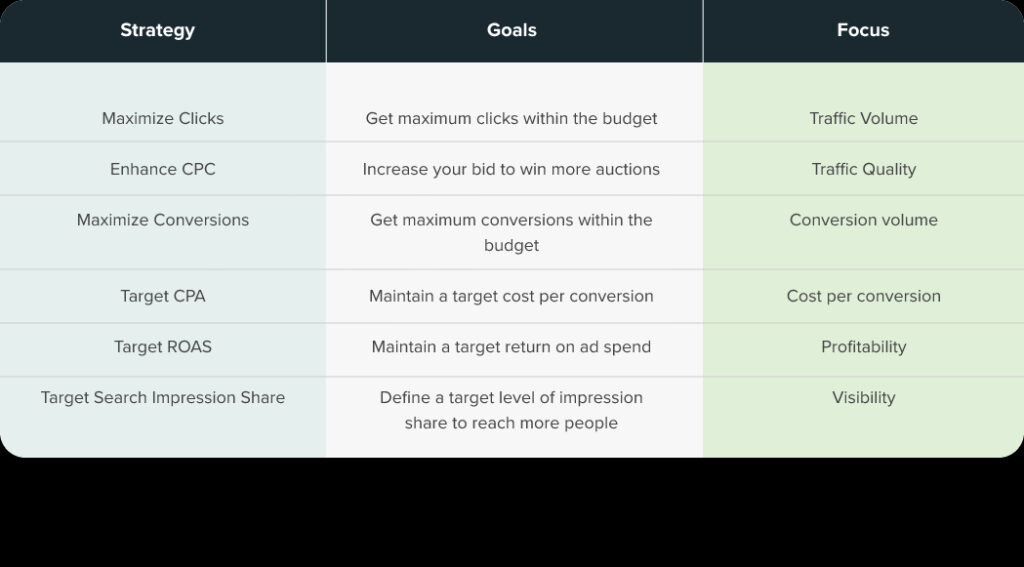
Your usual business rivals are not always the ones who matter in paid search. Auction competitors are the sites and brands that appear on the same search queries. They may be marketplaces, price-comparison sites, or affiliates that grab clicks. This happens even if they do not sell the exact same product. Identification in your core searches helps you focus efforts on the campaign threats.
Using Google Ads Auction Insights
Google Ads competitor analysis gives you an Auction Insights report. It lists impression share, overlap rate, position above rate, and outranking share. Those numbers show who sees your ads, who outranks you, and where you are losing visibility. Treat this report as a pulse check. Look for sudden drops in impression share.
Analysing Competitor Keyword Strategies
Start with keywords you and others share. These are the phrases that attract the most attention and cost. High-intent commercial terms and branded searches usually fall into this group. Decide if you want to match the fight or sidestep it. Targeting long-tail keywords often yields lower CPCs and more focused traffic. Also, hunt for gaps and terms competitors use that you do not. It includes local modifiers, niche product names, or comparison queries. Filling these gaps can expand reach with less direct competition.
Identifying Shared Keywords
Review the keyword strategies where you experience high overlap with competitors. These are often:
- High-intent commercial terms
- Branded keywords
- High-volume industry phrases
Understanding which keywords drive competitive pressure allows you to refine targeting.
Discovering Gaps in Coverage
Competitor research tools and search analysis can reveal keywords your competitors are targeting.
These may include:
- Long-tail variations
- Local search modifiers
- Niche product variations
- Comparison queries
Filling keyword gaps can improve reach without increasing competition intensity.
Evaluating Branded Keyword Activity
When rivals bid on your brand name, your cost and click-through can suffer. Watch who targets your brand keywords, how often they appear, and the offers they use. Sometimes bidding defensively on your brand terms is enough to control branded traffic. This can be done with a focused ad that highlights your unique benefits.
Evaluating Competitor Ad Copy and Messaging
Read competitors’ ads closely. Look for headline patterns, the value they promise, and the emotion they evoke. Are they pushing price, speed, trust, or guarantees? Check their calls to action. If everyone uses “Buy Now,” try “Get a Quote” or “See How It Works” and measure the change. Small shifts in wording can attract a different, more qualified audience.
Analysing Headlines and Value Propositions
Ad extensions add space and credibility to an ad. Sitelinks, callouts, structured snippets, price extensions, and location extensions can tip the balance. If top competitors use many extensions and you do not, your ad may seem smaller and less useful. Mirror the relevant extensions and test variations. This helps to see what boosts your click-through and conversion rates.
Reviewing Calls to Action
Common calls to action include:
- “Get a Quote”
- “Buy Now”
- “Free Trial”
- “Learn More”
If every competitor uses the same CTA, your ad risks blending in. Testing alternative approaches may increase engagement.
Assessing Ad Extensions
Ad extensions enhance visibility and credibility. Review competitor usage of:
- Sitelinks
- Callouts
- Structured snippets
- Price extensions
- Location extensions
Well-optimised extensions often indicate strong campaign management.
Understanding Competitor Landing Page Strategies
Click competitor ads and check their landing pages. Does the page match the ad? How fast does it load? Is the call to action clear and easy to follow? Strong pages often show social proof, clear pricing, and a short path to conversion. Landing page quality feeds into Quality Score, which affects CPC and placement. Improve your pages based on what works in your space, then test.
Benchmarking Performance with Key Metrics
Track impressions to know how often your ads appear compared to available impressions. Low share can mean budget limits, poor rank, or Quality Score issues. Watch the position above the rate to see who often sits above your ad. These metrics let you spot winners and laggards. This lets you guide whether to raise bids, improve relevance, or fix landing pages.
Strategic Responses to Competitive Pressure
When a rival starts to dominate a keyword, you have choices. One, shift focus to long-tail phrases where competition is lower. Two, try different match types to control spend and relevance. Three, adjust geographic bids or schedules to favour times. Four, use bid modifiers for devices or demographics that perform better. These moves help avoid costly bidding wars while keeping valuable visibility.
Improving Quality Score to Outperform Rivals
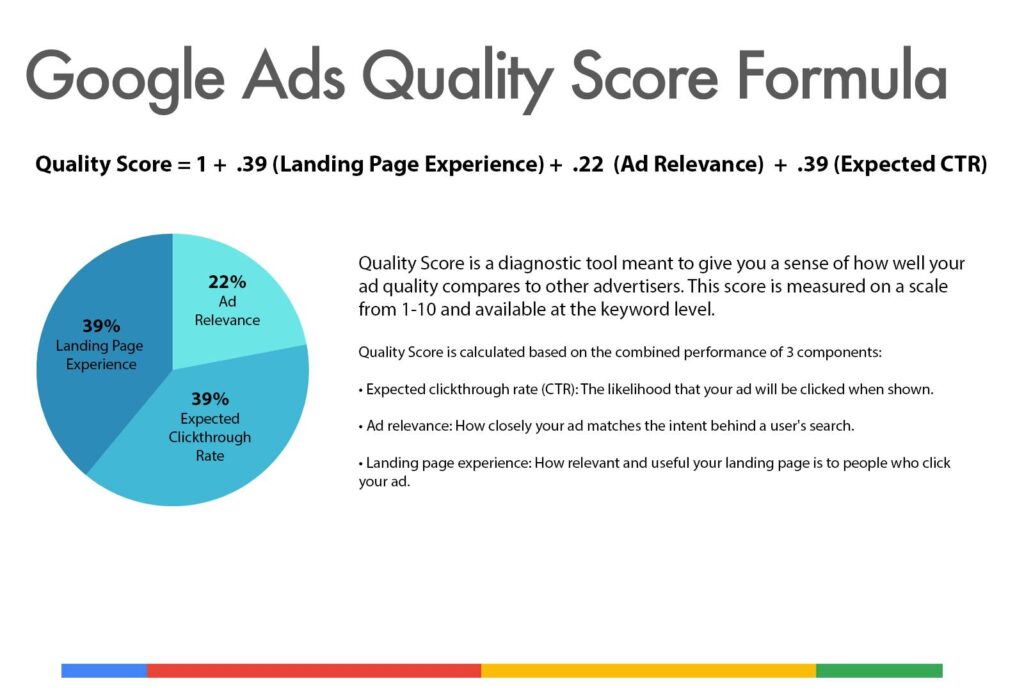
Quality Score is a lever that changes how much you pay. Improve it by tightening ad relevance and boosting expected CTR with better copy. This enhances the landing page experience. A higher Quality Score often means you can win a better position with a lower bid. In short, out-manage your rivals where possible rather than outbidding them.
Using Audiences to Reduce Overlap
Audience targeting gives you another edge. In-market segments, remarketing lists, and customer match let you bid more for users. This is more suitable for those who need to convert. Layering audiences reduces broad overlap with mass-market competitors and can raise ROI. This approach is part of good PPC benchmarking and helps you stretch your ad spend.
Tools for Advanced Google Ads Competitor Analysis
Use Google Ads native reports. It covers auction insights, search terms, and a performance planner for first-party data. Add third-party PPC research tools to estimate competitors’ budgets. It also covers historical ad copy and keyword trends. Together, these sources create deeper Google Ads market intelligence. It also helps you build a complete picture of competitor moves.
Make Analysis Routine
Competitors test and change constantly. Schedule short weekly checks for immediate alarms and deeper monthly reviews for trends. Keep your monitoring simple. It helps to check impression share, a small set of high-value keywords, and any new ad creatives. Regular, focused checks prevent surprises and leave room for quick tests.
Creating a Sustainable Competitive Strategy
Turn insights into experiments. Run A/B tests on headlines, offers, landing page elements, and bid strategies. Keep changes small and track results. When a winning variation proves itself, scale it across similar groups. Testing turns competitor observation into a measurable advantage.
Quick Action List
- Run Auction Insights and list the top five rivals for your main keyword groups.
- Map competitor keywords and mark three gaps you can test this month.
- Capture competitor headlines and pick three new CTAs to test.
- Click competitor ads, note the best-converting landing element, and design your version.
- Set a weekly KPI check for impression share and cost-per-acquisition (CPA).
Conclusion: Turn Knowledge into Advantage
Google Ads competitor analysis shifts you from guessing to planning. Work on keyword gaps, ad messages, landing pages, and target audiences who convert. Use auction insights and PPC competitor research tools to stay informed. Small, steady changes accumulate. Every bid then becomes a deliberate move, not a blind guess. Do this right with support from a reliable marketing firm. It improves Google Ads performance in ways that matter to your bottom line.
Frequently Asked Questions
What is Google Ads competitor analysis, and why is it important for PPC success?
Google Ads competitor analysis helps you identify who is bidding on your target keywords, how they position their ads, and where they outperform you in paid search. By tracking competitor keywords, ad copy, bidding behaviour, and landing pages, you can reduce wasted spend, improve ad relevance, and win more qualified clicks.
How can I identify my real competitors in Google Ads auctions?
Your true Google Ads competitors are not always your direct business rivals; they are the advertisers appearing for the same search queries in live auctions. Using Google Ads Auction Insights helps you monitor impression share, overlap rate, and outranking share to see who is taking your visibility.
How do I find competitor keywords and uncover PPC keyword gaps?
Start by analysing shared high-intent keywords, branded terms, and industry phrases where competition is strongest. Then look for long-tail keywords, local search modifiers, and niche queries your competitors target, but you do not, creating lower-cost growth opportunities.
How can competitor ad copy and landing page analysis improve my conversions?
Review competitor headlines, offers, calls to action, ad extensions, and landing page structure to understand what attracts clicks in your market. Use these insights to create stronger messaging, improve user experience, and build landing pages that convert better without increasing bids.
How often should I perform Google Ads competitor analysis for consistent results?
Competitor analysis should be part of your ongoing PPC strategy, with quick weekly checks and deeper monthly performance reviews. Regular monitoring of auction insights, keyword trends, impression share, and new ad creatives helps you react faster and maintain a competitive advantage.