


Introduction
SEO is often explained like a checklist, such as fixing pages, building links, and waiting for rankings. That version sounds neat. It also hides how search actually works.
Search engines don’t reward effort; however, they reward confidence. Confidence that a page answers the question. Confidence that the site behind it can be trusted.
That’s where the split between on-site vs off-site SEO matters. Not as labels, but because the signals do different jobs.
One establishes relevance while the other builds credibility. Without both, progress slows.
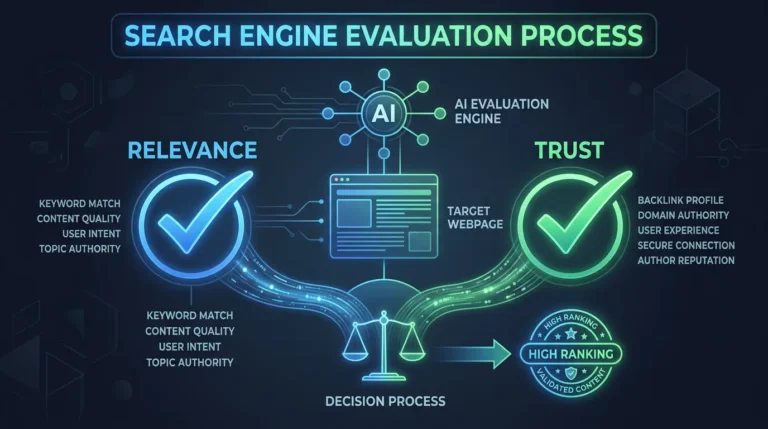
Table of Contents
Why SEO Rankings Depend on Two Separate Judgements

Every time a page appears in search results, two silent questions are being answered.
- Is this page useful for the search?
- And is this website reliable enough to show?
On-site SEO focuses on the first, while off-site SEO supports the second. They work together, but they do not overlap. Treating them as the same thing is one of the most common mistakes in search engine optimisation strategy.
What On-Site SEO Really Covers
On-site SEO is all the things on your site itself that determine how search engines interpret it. That’s quite a broad scope, hence the reason for the wording. Content, structure, speed, internal logic, and technical clarity are the components that are here. When search engines have difficulty grasping a page, everything else becomes meaningless.
Content That Matches Intent, Not Just Keywords
Strong on-site SEO starts with intent. People do not search in perfect sentences. They search with needs, gaps, and half-formed ideas. Pages that perform well recognise that. Good content answers the main question quickly. Then it fills in the edges.
- It explains without circling.
- It stays on topic.
- It avoids filler.
Clear writing reduces confusion. That helps users. It also helps search engines decide where the page fits.
Pages that wander rarely rank for long.
Structure That Makes Sense at a Glance
Before reading in depth, search engines scan a page. Headings guide crawlers toward primary points and supporting content. A well-structured page usually feels simple when you land on it. You can tell what it’s about without scrolling much.
That clarity comes from:
- One clear topic per page
- Headings that follow a natural order
- Titles that describe the page, not tease it
- URLs that explain themselves
- Internal links that connect related ideas
Structure removes guesswork. Guesswork is bad for rankings.
Technical SEO and Usability
Technical SEO is not exciting, but it is essential. Slow pages lose attention, broken pages lose trust, and confusing sites get crawled less often.
On-site technical work keeps the foundation stable:
- Pages load fast enough to hold attention
- Mobile layouts work without friction
- Search engines can crawl and index pages easily
- HTTPS protects users
- Duplicate content does not dilute signals
You can publish strong content and still struggle if the site delivering it is weak.
What Off-Site SEO Actually Signals
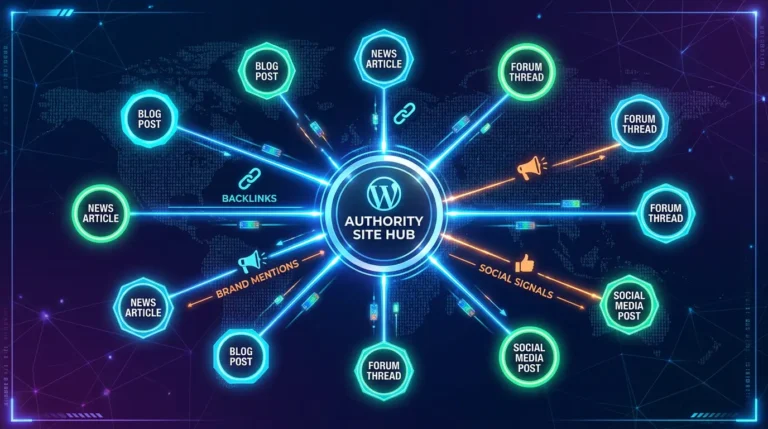
Off-site SEO lives outside your website. It includes all the signs that tell search engines your site is respected elsewhere. This is where authority builds. Unlike on-site work, off-site SEO cannot be forced. It is earned over time.
Backlinks as Trust Signals
Backlinks still matter because they act like references. When another site links to yours in context, it sends a message. It says the content is useful enough to point people toward.
Not all links carry weight. Search engines care about:
- Relevance between sites
- Where the link sits on the page
- The history of the linking domain
A few solid links often beat many weak ones. This is why backlink building works best when the content is worth linking to.
Mentions Without Links Still Count
Not every signal needs a hyperlink. Search engines now recognise brand mentions across articles, guides, and industry content. These references contribute to the broader picture of credibility.
One of the roles of Digital PR here is to generate awareness by means of social media. That awareness creates trust signals, which support rankings. This matters more in crowded spaces where many sites publish similar content.
Reputation Beyond Your Own Pages
Reviews, mentions, and conversations of the brand on the web by other people impact the perception of the brand. They influence how often people click results. They affect how confident search engines feel about surfacing a site.
Off-site SEO supports authority. It convinces the search engines that it is the right choice to offer a high ranking to your content.
The Core Differences Between On-Site vs Off-Site SEO
Control Versus Dependence
On-site SEO is fully under your control. You decide the content, fix issues directly, and organise the site without relying on anyone else.
Off-site SEO is influenced by others. You can push for it, but you are not able to order it. That difference changes how fast results appear.
Timing and Stability
On-site changes can show results soon after pages are re-crawled. Off-site work takes longer, but the impact builds over time. Authority accumulates slowly and is pretty much there to stay once it’s been firmly established.
Role in the Ranking Process
On-site SEO tells search engines what a page is about. Off-site SEO helps them decide whether to believe it deserves attention. One without the other creates limits.
Why Both Are Needed for Strong Rankings
Search engines do not reward relevance alone. A perfect page on a weak domain struggles to compete. A powerful domain with thin content loses ground over time. Strong sites balance both.
On-site SEO ensures pages qualify, while off-site SEO helps them win.
When those signals align, rankings stop swinging wildly. Growth becomes steadier. Traffic feels earned rather than accidental.
Where Most SEO Strategies Go Wrong
Many sites rush into off-site SEO too early. They chase links before fixing pages or clarifying content. Authority then points to weak destinations, wasting effort.
Others focus only on content and ignore authority. Pages rank briefly, then sink when competitors with stronger signals move in. SEO works best when order is respected.
Which Should Come First?
Typically, on-site SEO is the first thing to do for most websites. You should begin by increasing clarity, making your content stronger, organising your structure better, and fixing technical issues.
Once pages make sense and serve users well, off-site SEO becomes leverage rather than hope. Backlinks then amplify something solid. Authority compounds instead of leaking.
Final Perspective: SEO Is Not a Formula
The distinction between on-site vs off-site SEO is functional, rather than competitive. One generates meaning, whereas the other builds trust. Search engines need both before they commit to ranking a page. When you understand that, SEO stops feeling random. And when SEO stops feeling random, it starts working.
Reach out to us for more information.
Frequently Asked Questions
1. What is the real difference between on-site and off-site SEO?
Basically, on-site SEO stays on your site. It determines the way each page is created, structured, and interpreted. Off-site SEO extends beyond the site. It is a mirror image of how other sites mention you, refer to you, or direct their visitors to you.
2. Where should I start if I’m doing SEO for the first time?
If your pages are disorganised, slow, or confusing, links will not be very helpful. They’ll just send users to problems. Get your basics right first, then promote what works.
3. When do SEO changes begin to show results?
Some changes move quickly, while others take patience. Page edits can register once search engines revisit your site. That can take days or weeks. Authority takes time to build, growing in layers over months rather than minutes.
4. Are backlinks still important today?
Yes. Still very much so, but not all links matter. A single link from the right place can do more than many links from random sites. Context and relevance carry weight. Noise does not.
5. Can off-site SEO work if my site isn’t strong?
Links can’t compensate for weak pages. Off-site SEO is most effective when it amplifies content that already performs its role.